
Last updated October 16, 2026
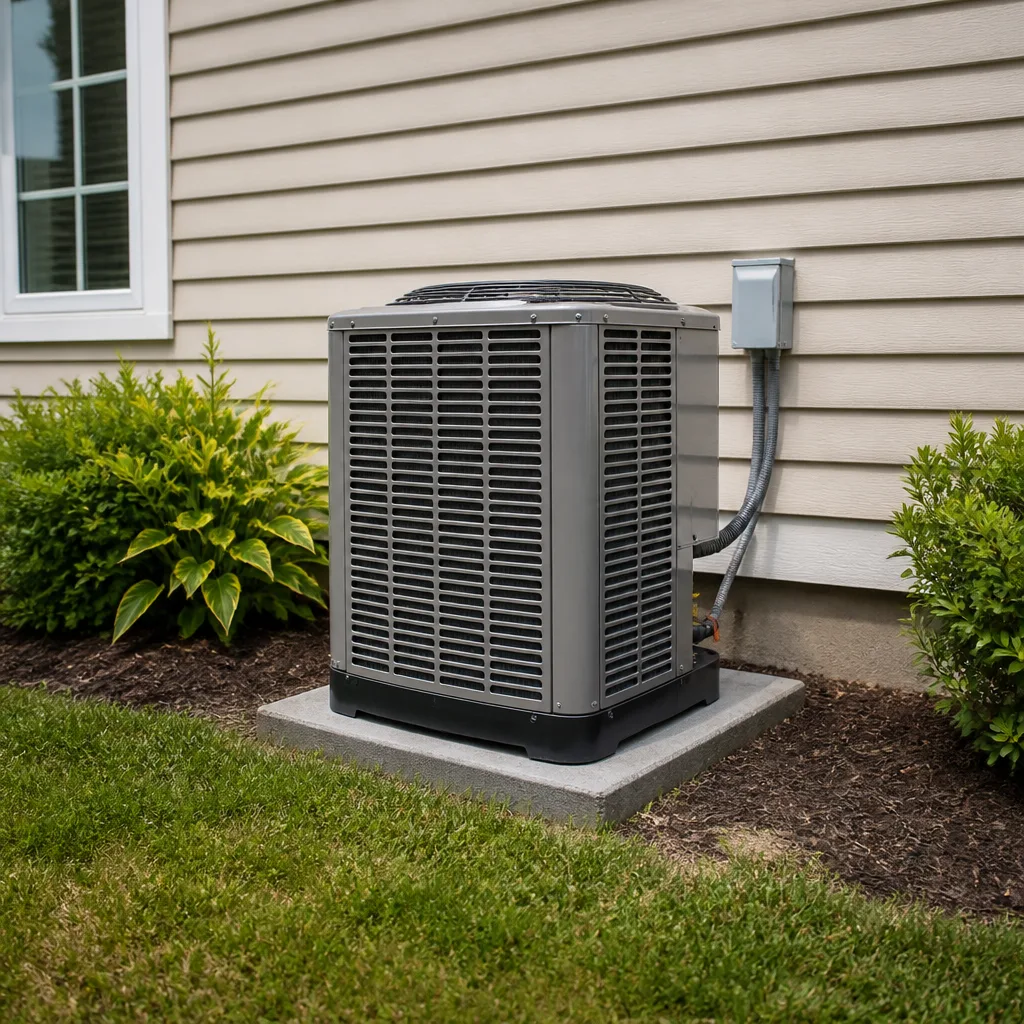 AC repair
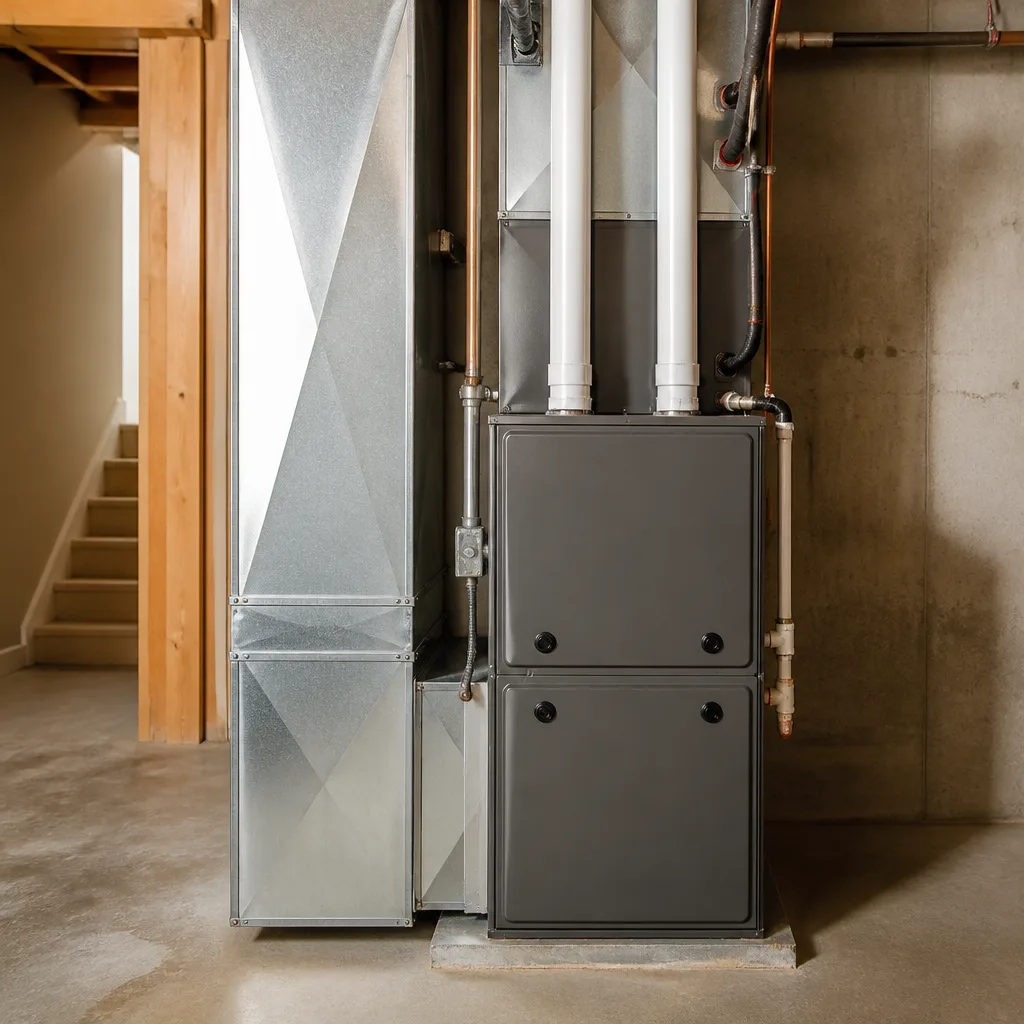 Furnace & heating
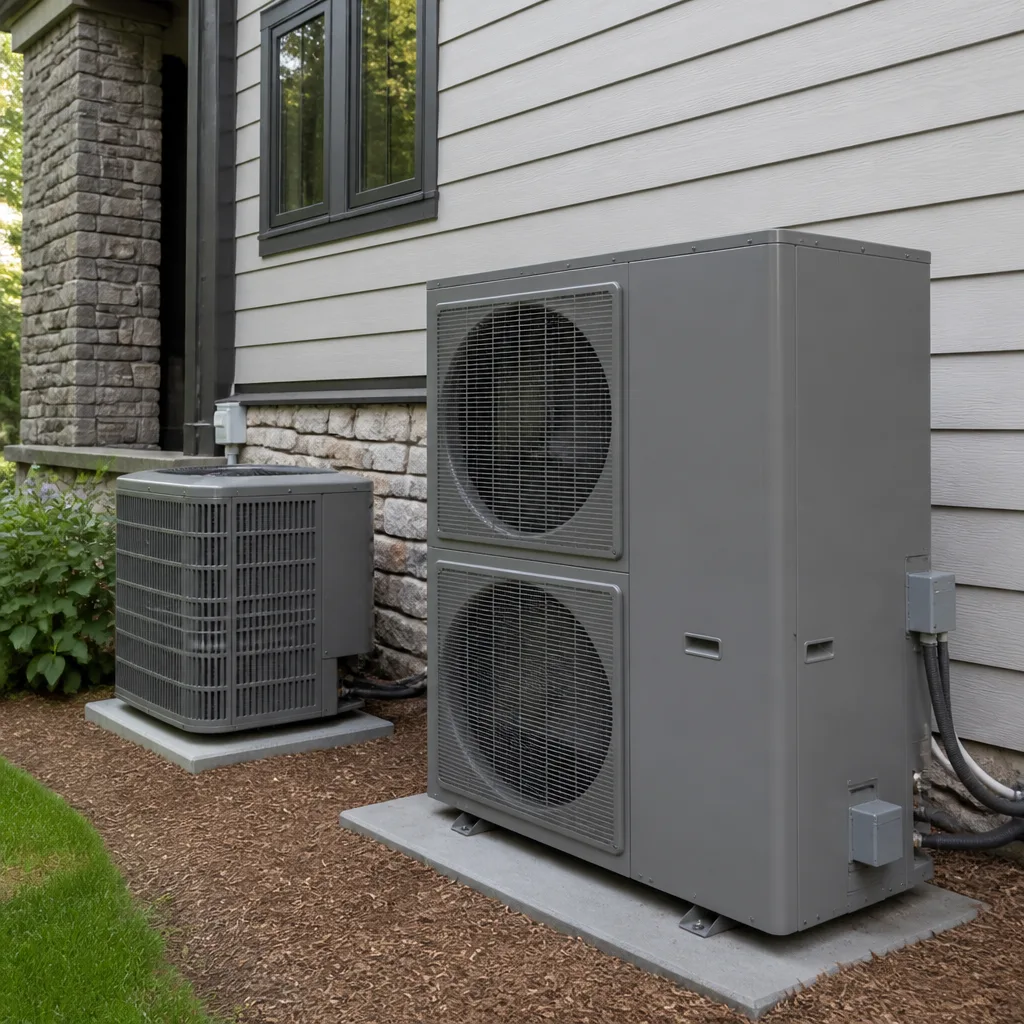 Heat pumps
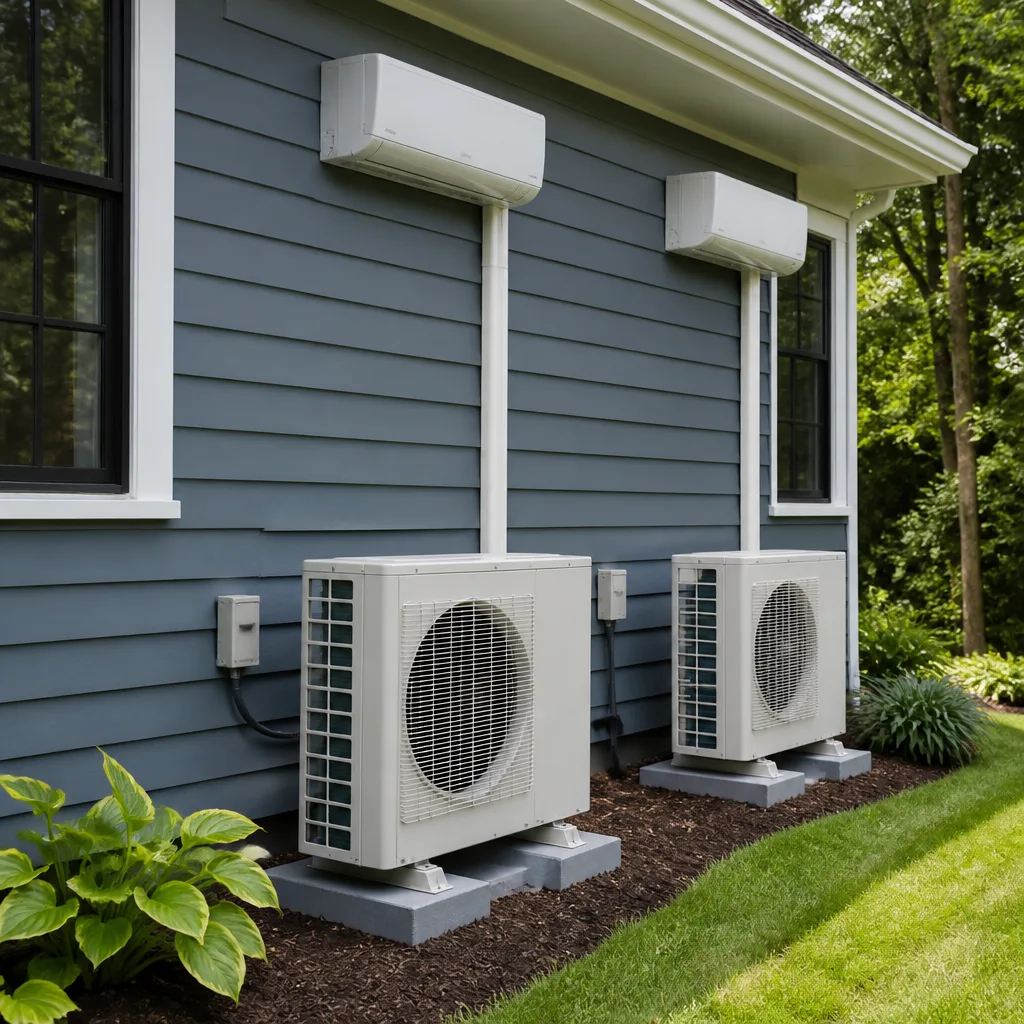 Ductless mini splits
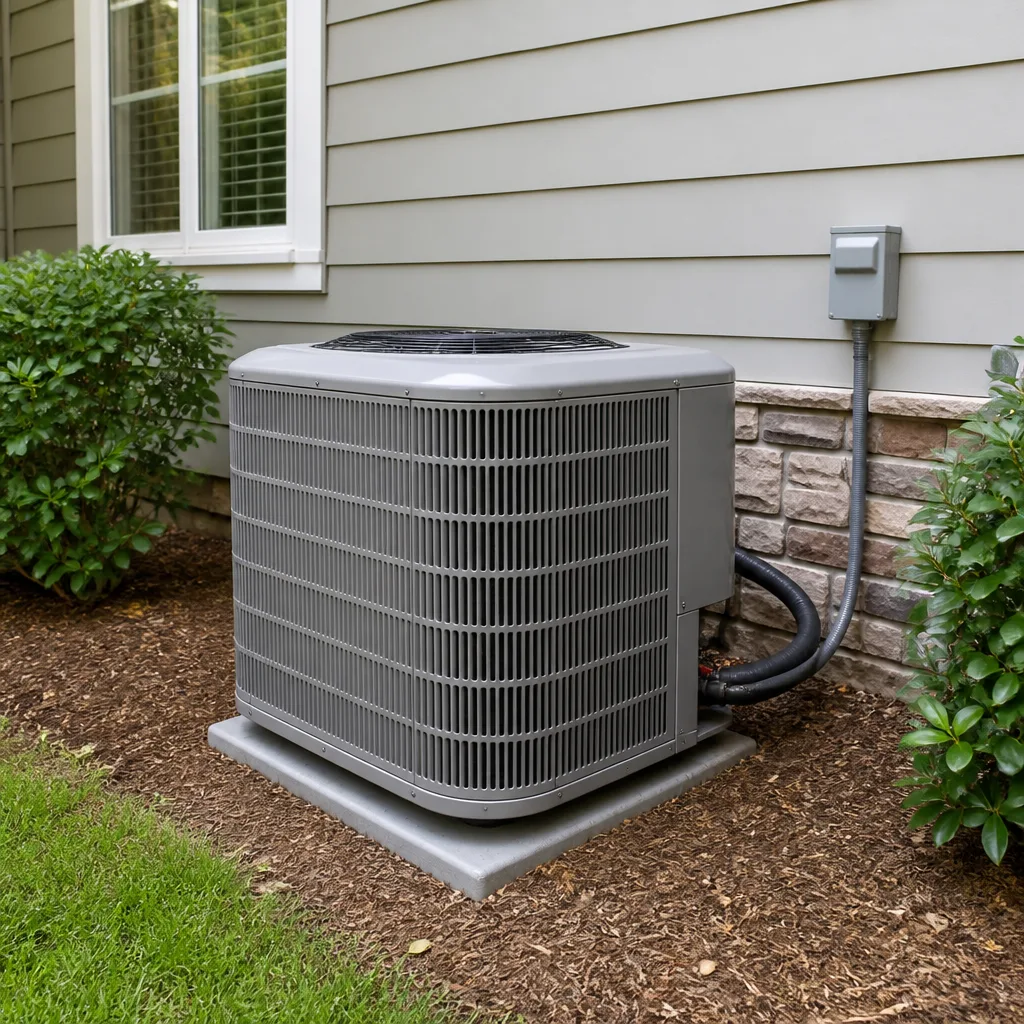 Carrier
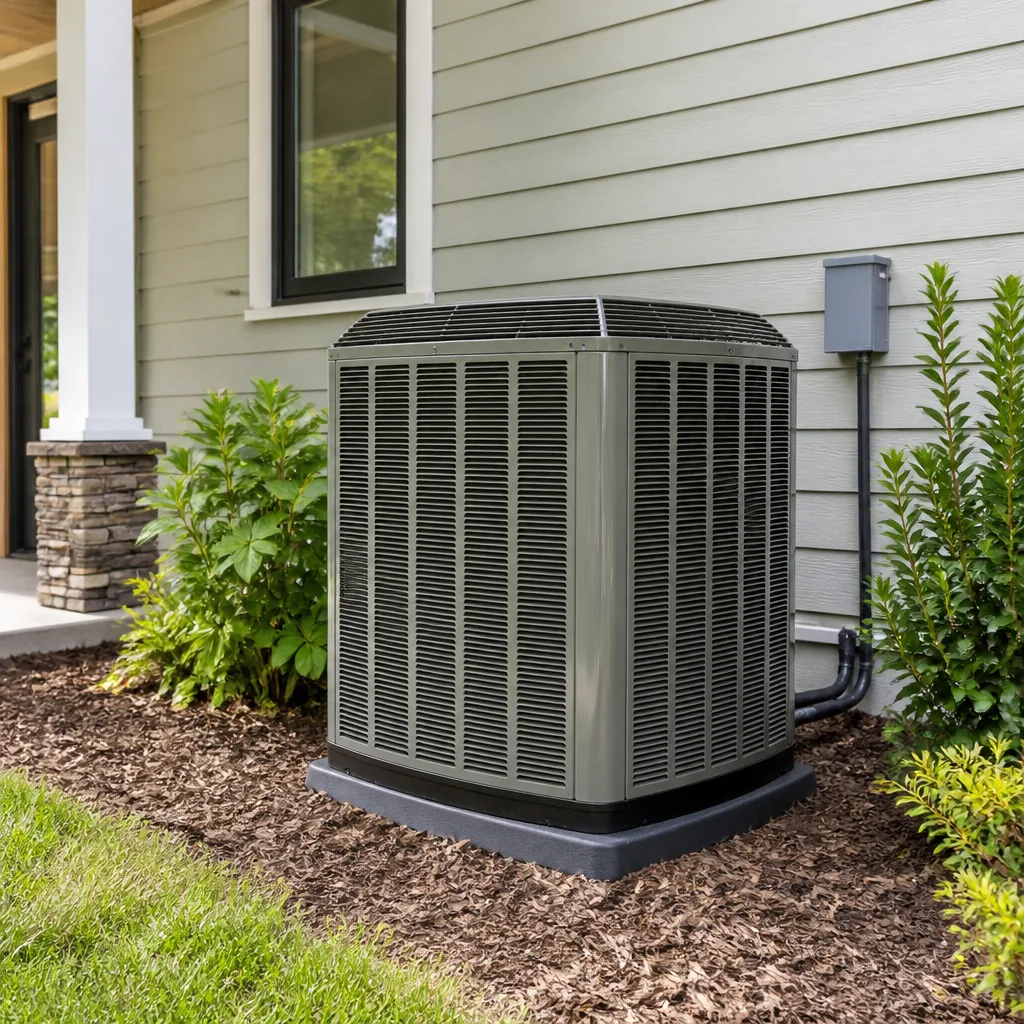 Trane
Trane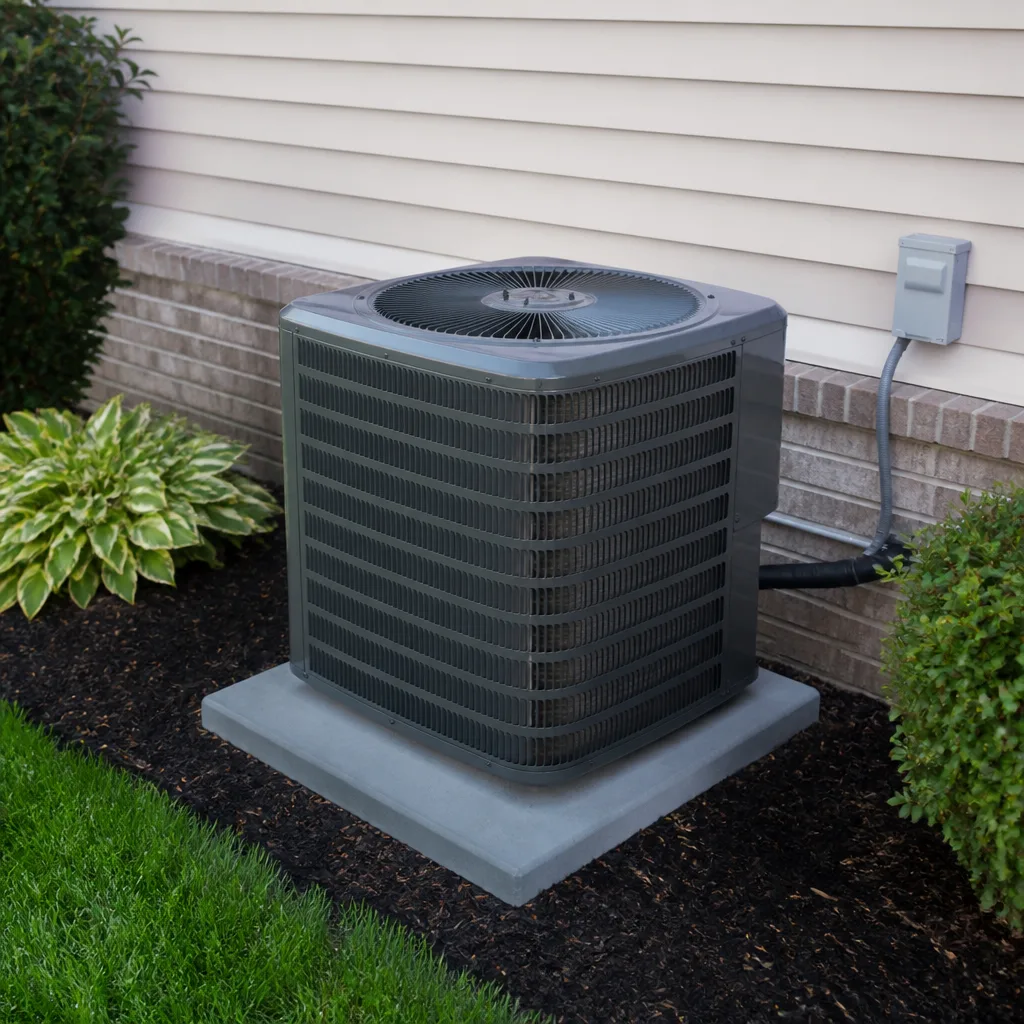 Goodman
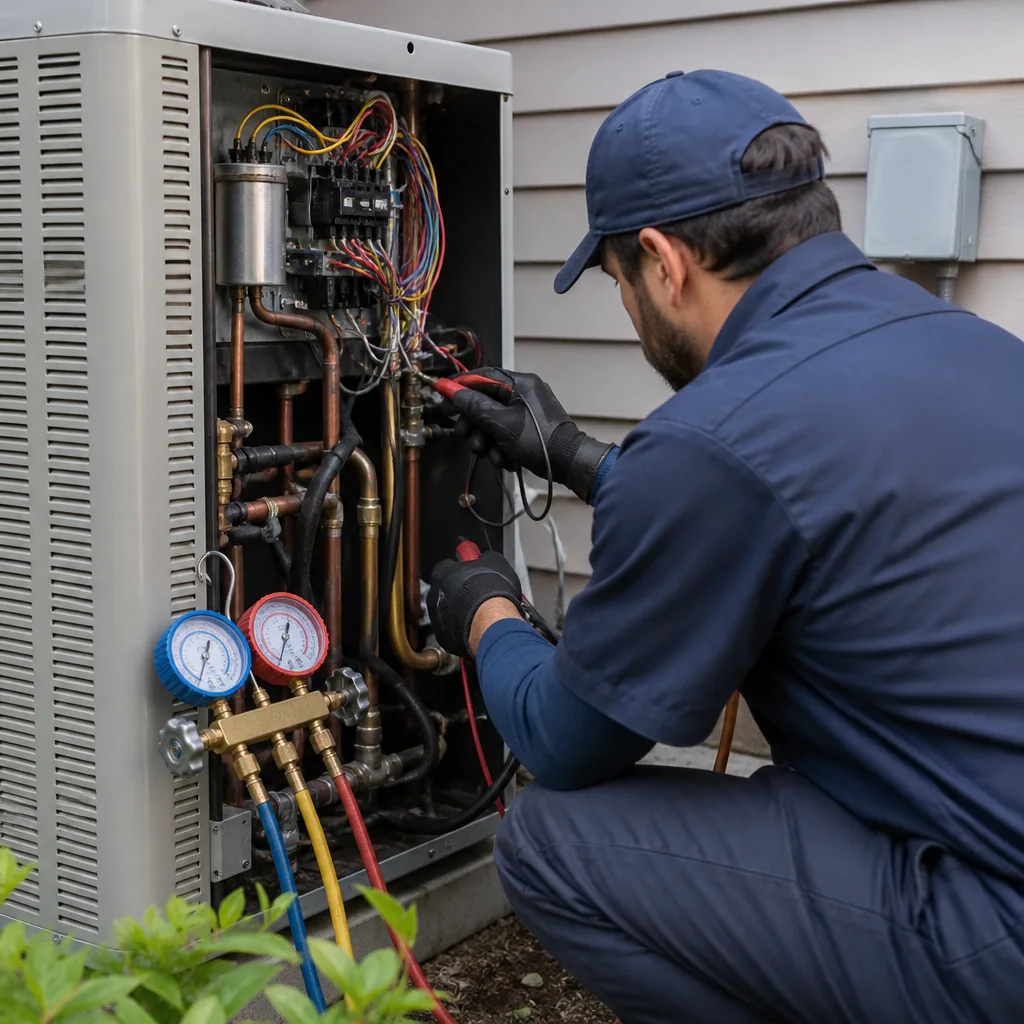
Seasonal tune-up and full diagnostic on your Carrier, Trane, or Goodman system - readings shown to you before any repair is proposed
Diagnosis first, numbers second - you approve the repair price before a single part goes in.
Get your free estimateThe Complete Guide to HVAC in Sandy Springs
Sandy Springs recorded 47 days above 90°F in 2023. That’s not just a hot summer; that’s enough compressor runtime to age a poorly matched system two seasons faster than the manufacturer’s rated lifespan. This guide is built for that reality. You’ll learn how Sandy Springs’ tree canopy, elevation shifts, and housing stock from 1970s ranches to Perimeter Center condos change what “the right HVAC setup” actually means, what SEER2 means for your next purchase, how to verify any contractor before they step inside, and how to tell a real comfort audit from a sales pitch. For more, see our more guides & resources.
Styles & brands we work with
Quick Answer
HVAC in Sandy Springs means matching a system to your specific house type and heat load, not buying whatever the neighbor got quoted. Expect a full system replacement to run roughly $8,000 to $15,000 depending on efficiency tier and ductwork condition, with most repairs landing between $150 and $450 when caught early. Any company you invite in should provide a written price before work starts, name the brands they service, and stand behind repairs for at least a year. See our HVAC Cost Breakdown: The Sandy Springs Homeowner’s Reference for 2026 for typical project ranges.
Table of Contents
- Sandy Springs’ Climate Reality: Heat and Humidity on the Fall Line
- House Stock and Load: Why Your Home’s Decade Changes the Equipment
- Tree Canopy, Elevation, and Manual J: What Most Contractors Skip
- SEER2 Explained: The 2023 Federal Standard and What It Means in Georgia
- How to Read a Georgia Contractor License Lookup Before You Schedule
- Comfort Audit vs. Sales Call: How to Tell Which One You’re Getting
- Equipment Brands and What “Factory-Trained” Actually Means
- Maintenance Schedule for Sandy Springs Homes
- Common Mistakes to Avoid
- When to Call a Professional
- Frequently Asked Questions
- The Bottom Line
Sandy Springs’ Climate Reality: Heat and Humidity on the Fall Line
Sandy Springs sits on the Fall Line, the geological boundary where the Piedmont plateau meets the coastal plain. What that means for your HVAC system is simple: our summers run hotter than the northern Atlanta suburbs and our humidity lingers longer than points south of Macon. A system sized for Dunwoody’s load profile will not perform the same on a street in the Riverside neighborhood of Sandy Springs.
We track cooling degree days across our service area. A cooling degree day is a measure of how much and for how long the outside temperature stays above 65°F, the point where a home starts wanting mechanical cooling. Sandy Springs averages over 2,000 cooling degree days per year. That’s inside the band where a compressor will cycle hard from late May through September, often every afternoon for six or seven straight hours.
Humidity is the second load most people forget. An air conditioner has two jobs: lower temperature and remove moisture. In Sandy Springs, a midsummer afternoon can hold a 75°F dew point, which means the system runs longer just to pull water out of the air. An oversized system cools the air too fast, short-cycles, and leaves the home clammy. A correctly matched system runs longer at lower fan speed and keeps indoor humidity below 55 percent, which is where comfort starts and mold concerns end.
The practical takeaway: any equipment quote for a Sandy Springs home that does not show a heat load calculation is a guess. Gut feel and “that’s what we put in last week on Roswell Road” are not load calculations. You want to see the Manual J number, in writing, before you sign.
House Stock and Load: Why Your Home’s Decade Changes the Equipment
Sandy Springs housing stock splits roughly three ways. The 1950s and 1960s brick ranches that line the original subdivisions west of Roswell Road. The 1970s and 1980s builds, many two-story with the first generation of central air. And the post-2000 construction around Perimeter Center and the newer townhome and condo clusters that came with the city’s growth.
Each era demands a different strategy.
Pre-1970 ranches in Sandy Springs often have ductwork that was added after the house was built, when central air became affordable. Those ducts are frequently undersized for modern equipment, poorly sealed, and running through unconditioned attics that hit 130°F in July. Putting a high-efficiency heat pump on those ducts without sealing them is like putting a marathon runner in a hallway and asking them to sprint. A meaningful portion of the cooling load gets spent cooling the attic.
For these homes, the smart money goes to duct sealing, attic insulation, and sometimes duct replacement before equipment replacement. The house itself becomes the efficiency. We’ve tested static pressure in Sandy Springs ranch homes where the return side alone was moving 30 percent less air than the system needed. That’s a measurable problem, not a sales talking point.
1970s and 1980s builds are a mixed bag. Many have decent framing and original ductwork that’s now 40 to 50 years old. Flexible duct from that era degrades; the inner liner collapses, the outer jacket tears, and conditioned air leaks into the void. Equipment from the 80s and 90s is running on R-22 refrigerant, which has been phased out of new production. When those systems leak, the recharge cost is brutal and the right conversation is usually replacement, not repair.
Post-2000 townhomes and condos near Perimeter Center have different constraints. Tight construction, shared walls, and compact mechanical closets. These homes favor variable-speed heat pumps, which run continuously at low output and match the lower heat loss from a tighter envelope. They also need less ductwork, but what they have matters more for airflow. A narrow closet installation done wrong can choke a system to failure in two summers.
There is no single right system for Sandy Springs. There’s the right system for your specific house type, and that conversation starts with your home’s construction decade, not the rebate of the month.
Tree Canopy, Elevation, and Manual J: What Most Contractors Skip
Sandy Springs is one of the most heavily forested municipalities in metro Atlanta. That tree canopy, which the city protects with a tree ordinance, changes the load calculation in ways a stock Manual J software package will not catch by itself.
Manual J, for the uninitiated, is the industry standard heat load calculation. It accounts for square footage, window area, orientation, insulation levels, air leakage, and internal gains from people, appliances, and lighting. But the inputs matter more than the output. A contractor has to actually measure, not assume.
Here’s what changes in Sandy Springs specifically:
- Shade factor. A home under dense oak or hickory canopy on the western side gets real relief from afternoon solar gain during June, July, and August. A stock calculation that assumes open exposure will oversize the system, which means shorter cycles, higher indoor humidity, and premature component wear.
- Elevation band. Sandy Springs ranges from about 825 feet near the river up to roughly 1,000 feet along the ridge that runs toward Dunwoody. That elevation change moves the heating design temperature slightly, but more importantly it affects winter wind exposure. Homes on the ridge see more infiltration than homes in the lower pockets.
- Deciduous vs. evergreen. A stand of pines shades year-round. A stand of hardwoods shades from April to October and then opens to morning sun in January. A correct Manual J treats these differently, because the heating season and the cooling season have different shade profiles.
Most contractors run the same default inputs for the whole metro area. Ask any company quoting your Sandy Springs home whether their load calculation accounts for your tree line and your side of the street. If you get a blank look, you have your answer about who not to hire.
SEER2 Explained: The 2023 Federal Standard and What It Means in Georgia
Since January 1, 2023, the Department of Energy has used a new efficiency testing procedure called SEER2. The old SEER rating is gone for new equipment manufactured after that date. The reason matters to you as a buyer: the new testing procedure measures performance under a more realistic external static pressure, which is a measurement of how hard the system has to push air through your ducts.
The old SEER test allowed lower pressure, which made systems look more efficient on the label than they performed in a real house with long duct runs. SEER2 corrects that. A system that was rated 16 SEER under the old test will carry roughly a 15.2 SEER2 rating under the new test, even though it is the same machine.
What the new minimums mean when you buy equipment in Georgia:
- Split-system air conditioners: minimum 14.3 SEER2 in the South region, which includes Georgia.
- Split-system heat pumps: minimum 14.3 SEER2 and 7.5 HSPF2. Georgia falls in the South region for both air conditioners and heat pumps.
- Package units: minimum 14.0 SEER2.
Those are the legal floors, not the recommended ceilings. In Sandy Springs, the summer runtime is long enough that the payback math for a 16 SEER2 or 17 SEER2 system over a minimum-efficiency unit is usually under six years. That’s before you consider any utility rebates or the federal tax credit for qualified heat pumps.
One more practical note: if a contractor hands you a quote with SEER ratings, not SEER2, check the manufacturing date. Equipment made before January 2023 can still be sold and installed, and it carries the old rating. There’s nothing wrong with that equipment, but you should know exactly what you’re buying and what test standard the label reflects.
How to Read a Georgia Contractor License Lookup Before You Schedule
Georgia licenses HVAC contractors through the Secretary of State’s office. The license class matters, and so does whether it is active, expired, or nonexistent. Here’s the How to Hire a HVAC Contractor in Sandy Springs: A Step-by-Step Guide for checking any company before they step into your Sandy Springs home.
- Go to the Georgia Secretary of State licensing portal. Search under “licensed contractors” and enter the business name or the individual’s name.
- Find the license class. In Georgia, a Class I or Class II conditioned air contractor license is what a legitimate HVAC company holds. Class I covers warm air heating systems up to 500,000 BTUs and unlimited cooling. Class II covers warm air heating up to 600,000 BTUs with certain restrictions.
- Check the status. Active means current. Lapsed means they have not renewed, which can affect insurance coverage and permits. If the license number does not match the company name on the quote, ask why.
- Check the qualifying agent. Every license has an individual’s name attached to it, called the qualifying agent. That person carries the technical responsibility for the work the company performs. If no name is listed, the license is incomplete.
- Ask for the insurance certificate. Which is separate from the license. A real company will send a certificate of insurance showing general liability and workers’ compensation coverage without hesitation.
This takes five minutes. In our experience, homeowners in Sandy Springs who skip it are the ones who later tell us stories about a crew from Craigslist who charged $900 for a capacitor and vanished. The license lookup is the cheapest quality filter you will ever run.
Comfort Audit vs. Sales Call: How to Tell Which One You’re Getting
There is a specific kind of visit where a technician walks your Sandy Springs home for 45 minutes, asks about the hot rooms and the cold rooms, checks the duct chase, measures filter pressure drop, and then sits down and discusses options. That is a comfort audit. There is another kind of visit where a salesperson walks your home, points at the unit, tells you it is old, and pushes a same-day replacement at a price that expires at midnight. That is a sales call wearing a technician’s uniform.
Here is the difference, measured in behavior:
- A comfort audit starts with questions, not a presentation. “Which room bothers you most in July?” “When did you last change the filter?” “Have you ever had ice on the indoor coil?” We ask those questions before we touch anything.
- A comfort audit produces measurements. Static pressure, supply and return temperatures, indoor humidity, circuit amp draw. These numbers exist on the job, not in a brochure.
- A comfort audit discusses repair before replacement when repair is rational. A failed capacitor is a repair, not a system replacement. A leaking evaporator coil on a 22-year-old R-22 system is a replacement conversation. A sales call converts everything into a replacement conversation.
- A comfort audit leaves a paper trail. You get numbers, options, and prices in writing, with no expiration date on the quote and no pressure to sign that day. A sales call leaves a “one-time offer” and a scheduled call-back for tomorrow morning.
Marco Benitez puts it this way to every new technician we train: if you cannot show the homeowner the measurement, you do not get to make the recommendation. That is the standard. Any company in Sandy Springs that will not show you their numbers is not doing a comfort audit.
Equipment Brands and What “Factory-Trained” Actually Means
We service and install nine major residential HVAC brands: Carrier, Trane, Lennox, Goodman, Rheem, York, Daikin, Bryant, and American Standard. That list matters less than what happens after the equipment goes in. “Factory-trained” is a phrase every contractor throws around. Here is what it means and what it hides.
Factory training is a real thing. Manufacturers run certification programs that cover installation procedures, charging methods, airflow setup, and diagnostic sequences for their specific equipment. A technician who has taken the courses holds paperwork from the manufacturer saying they were trained on that brand’s current product line. We maintain that training because a Daikin variable-speed heat pump and a Bryant two-stage condenser have different control logic, and a technician guessing his way through a diagnostic wastes your afternoon.
What the phrase hides: some companies send one person to one class ten years ago and then say “factory-trained” in their marketing. The honest version includes ongoing training on current equipment, because the equipment changes every model year. Ask the company name that trained them, on which brand, and when. If they cannot answer, the training is marketing.
For Sandy Springs homes, the brand conversation often comes down to this: the right equipment is the one matched to your load calc and your budget tier, installed by people who have trained on that exact model line. A mismatched install of a premium brand will underperform a careful install of a value brand. The install quality determines more of the lifespan than the logo on the cabinet.
Our team handles AC repair in Sandy Springs across all nine brands, which means we’re not locked into recommending one manufacturer’s equipment because that is all we stock. That freedom matters when your existing system is a solid unit that needs a specific repair rather than a replacement.
Maintenance Schedule for Sandy Springs Homes
Your HVAC system needs two checkups a year in this climate: one in early spring before the first real heat wave, and one in early fall before the first hard cold snap. The spring visit prioritizes the cooling side. The fall visit prioritizes the heating side.
Here is what a real maintenance visit includes on the cooling side:
- Refrigerant level check. The system is checked against the manufacturer’s charging chart, not just “looks fine.” A system down 10 percent on charge runs hotter and costs more to run, and the leak only gets worse.
- Coil cleaning. The outdoor condenser coil collects pollen, grass clippings, and cottonwood debris in Sandy Springs. A dirty coil raises head pressure and cuts efficiency. The coil gets cleaned when it needs it, not on a fixed schedule it does not need.
- Electrical connections torqued and inspected. Loose lugs arc, overheat, and fail. This is the single most common preventable failure we find on furnaces and air handlers in older Sandy Springs homes.
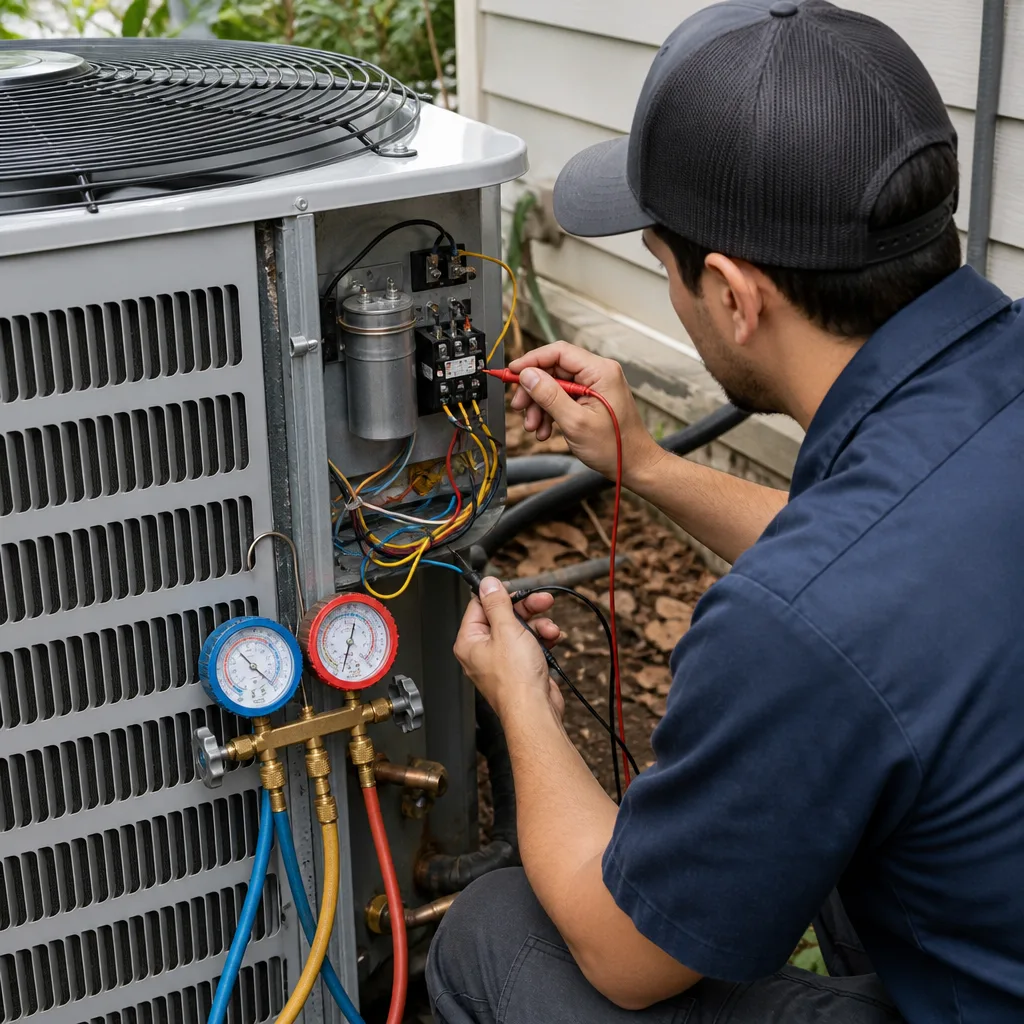
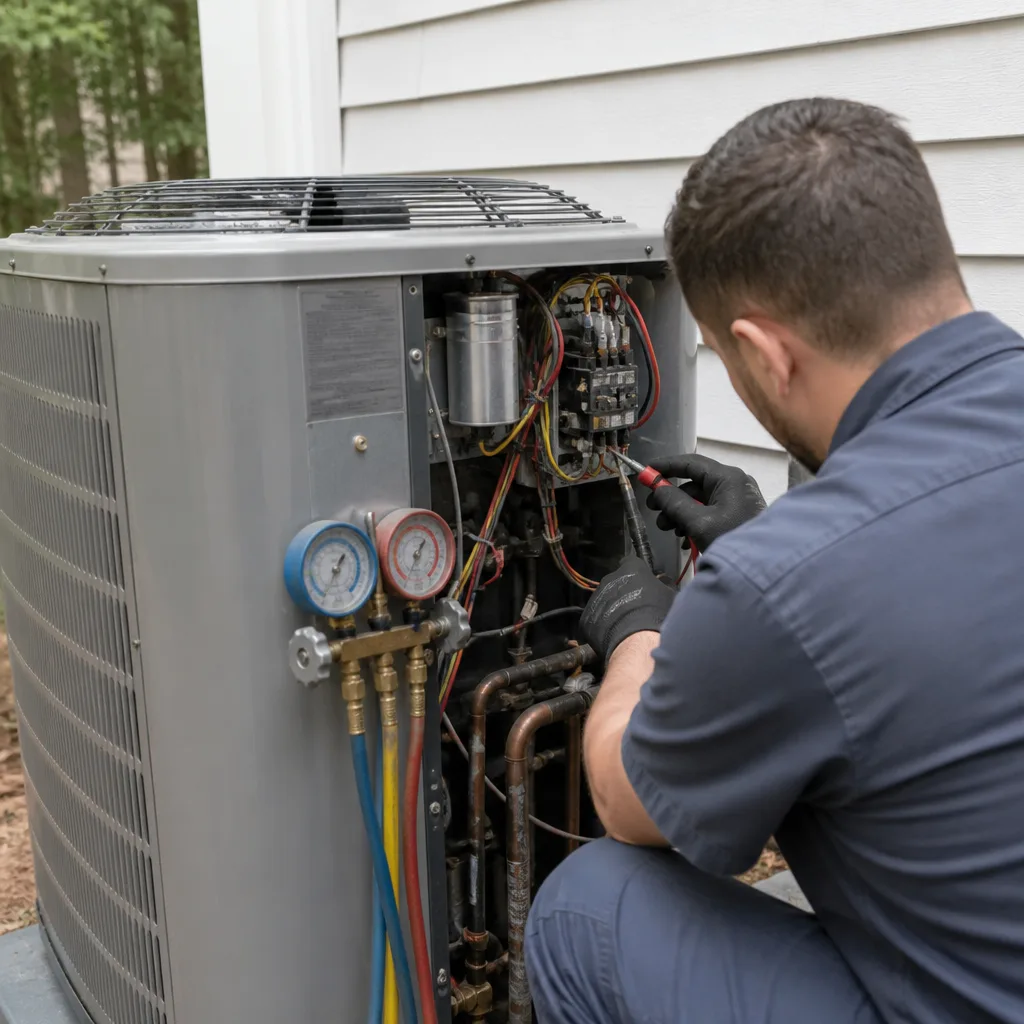
- Capacitor testing. A capacitor is a small cylinder that gives the compressor and fan motors the starting jolt they need. They degrade over time, and a weak capacitor on a 98°F day can take down the whole system. We test them, measure their microfarad rating against the label, and flag ones near failure.
- Drain line cleared. The condensate drain carries away the water your system pulls from the air. When it clogs, water backs up into the pan and then into the ceiling. In Sandy Springs’ humid summers, drains clog faster than in drier climates.
- Filter inspection and replacement recommendation. Not every filter needs changing every visit. We check it, show it to you, and recommend replacement based on actual condition.
If you are new to Sandy Springs and coming from a cooler or drier state, understand that a skipped spring tune-up here means a higher chance of a July breakdown. The heat load is just more severe than people expect.
Common Mistakes to Avoid
- Buying equipment first and ductwork never. A Sandy Springs ranch with original 1968 ducts will chew through a new system faster than the equipment’s rated lifespan. Fix the distribution before you replace the source.
- Trusting a “rough-size” quote. If the contractor did not run a Manual J load calculation, they guessed. In Sandy Springs, where shade and elevation change block by block, a guess is a coin flip.
- Ignoring humidity calls. “Cold and clammy” is an equipment sizing problem that can be fixed with a variable-speed system or a dehumidifier. It is not something to live with.
- Delaying a repair because the system still runs. A failing capacitor, a slow refrigerant leak, a dirty condenser coil: these get more expensive every week they wait. The repair that costs $250 in May can become a $4,000 compressor replacement by August.
- Choosing the lowest bid on a full replacement. The low bid usually cuts something: no load calculation, untrained installers, no permit, or no warranty registration. In HVAC, the low bid is expensive.
- Not asking for the guarantee in writing. “We stand behind our work” is not a guarantee. A written guarantee for a full year is a guarantee. Ask to see it before scheduling, not after the invoice.
When to Call a Professional
Call when the system runs but will not cool, when the outdoor unit makes a sound you have never heard before, when ice forms on the indoor coil or the refrigerant lines in summer, when the breaker trips twice, or when water appears under the air handler. Call when the smell is metallic, not just dusty, because that can be electrical. Call when you have not had a tune-up in two years and the forecast shows a week of 95°F. Dalton Heating & Air Sandy Springs handles heat pump installation in Sandy Springs, furnace repair in Sandy Springs, and the full range of air conditioning service. Every visit arrives with a written price before work begins. Call (478) 400-5908 for a free estimate.
Frequently Asked Questions
A full system replacement in Sandy Springs typically runs $8,000 to $15,000, depending on the home’s square footage, the efficiency tier of the equipment, the condition of the existing ductwork, and whether the installation requires any structural access modifications. A mid-range 16 SEER2 heat pump for a 2,000-square-foot home usually lands between $10,000 and $13,000. For an exact quote, call (478) 400-5908, and the price will be in writing before any work starts.
We service and install Carrier, Trane, Lennox, Goodman, Rheem, York, Daikin, Bryant, and American Standard. Our technicians receive factory training on current equipment from these manufacturers, which means the diagnostic process starts with the manufacturer’s own procedures, not a generic guess. Call (478) 400-5908 to confirm your specific model is one we cover.
Twice a year: once in early spring before the first heat wave, and once in early fall before the first cold snap. The spring visit focuses on the cooling side, including refrigerant level, coil condition, electrical torque, and capacitor health. The fall visit covers the heating side and ensures the system transitions cleanly. Homes near heavy tree canopy may need coil cleaning more often. Call (478) 400-5908 to schedule either visit.
The 365-Day Done Right Promise is a written guarantee that covers every repair we perform in Sandy Springs for a full year. If a repair fails within that period, we return at no charge and make it right. The guarantee is included with every repair at no extra cost, and it is part of The Garrison Standard, the operating standard that Dalton Heating & Air Sandy Springs home has followed since 2003.
Yes, in most cases the city of Sandy Springs requires a mechanical permit for an equipment replacement or new installation. The permit ensures the installation meets current code, including electrical disconnects, condensate drainage, and equipment clearances. A legitimate contractor handles the permit application and scheduling as part of the job. If a contractor offers to skip the permit to save money, walk away. Call (478) 400-5908 and we will walk you through what is required for your specific home.
Repair makes financial sense when the system is under 10 years old, the repair cost is under $800, and the rest of the equipment is in sound condition. Replacement makes sense when the system is over 15 years old, runs on R-22 refrigerant, has a leaking evaporator coil or failing compressor, or the repair would cost more than 50 percent of a new system’s price. In Sandy Springs, where summer runtime is high, a 18-year-old system with a major component failure usually means replacement is the smarter long-term call; see our DIY vs Professional HVAC: The Sandy Springs Homeowner’s Decision Guide to weigh your options. Call (478) 400-5908 for an honest assessment with numbers to back it up.
The Bottom Line
Sandy Springs is hard on HVAC equipment. Forty-seven days above 90°F in 2023. Humidity that hangs in the air. Tree canopy that shades one block and not the next. Housing stock that spans seven decades of construction standards. The only guide that works is one built around your specific house and your specific heat load, not a generic metro Atlanta one-size-fits-all. Demand a Manual J calculation in writing. Check the Georgia license. Ask about the guarantee. And get every price in writing before the first tool comes out. That is what we do on every job. That is the standard. Call (478) 400-5908 for a free estimate, and we will start with your home, not a brochure.
Written by Marco Benitez, Owner at Dalton Heating & Air Sandy Springs, serving Sandy Springs since 2003.
See the difference
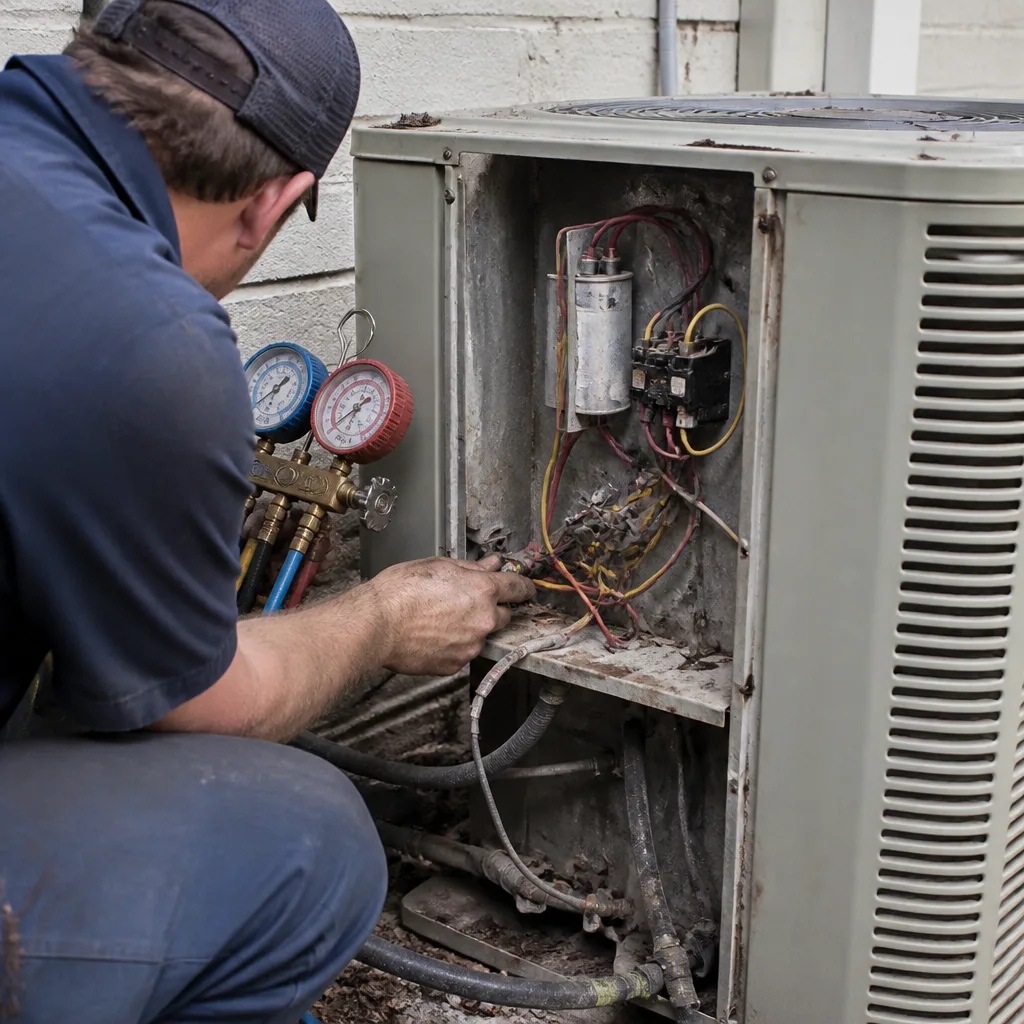 Before
 After
After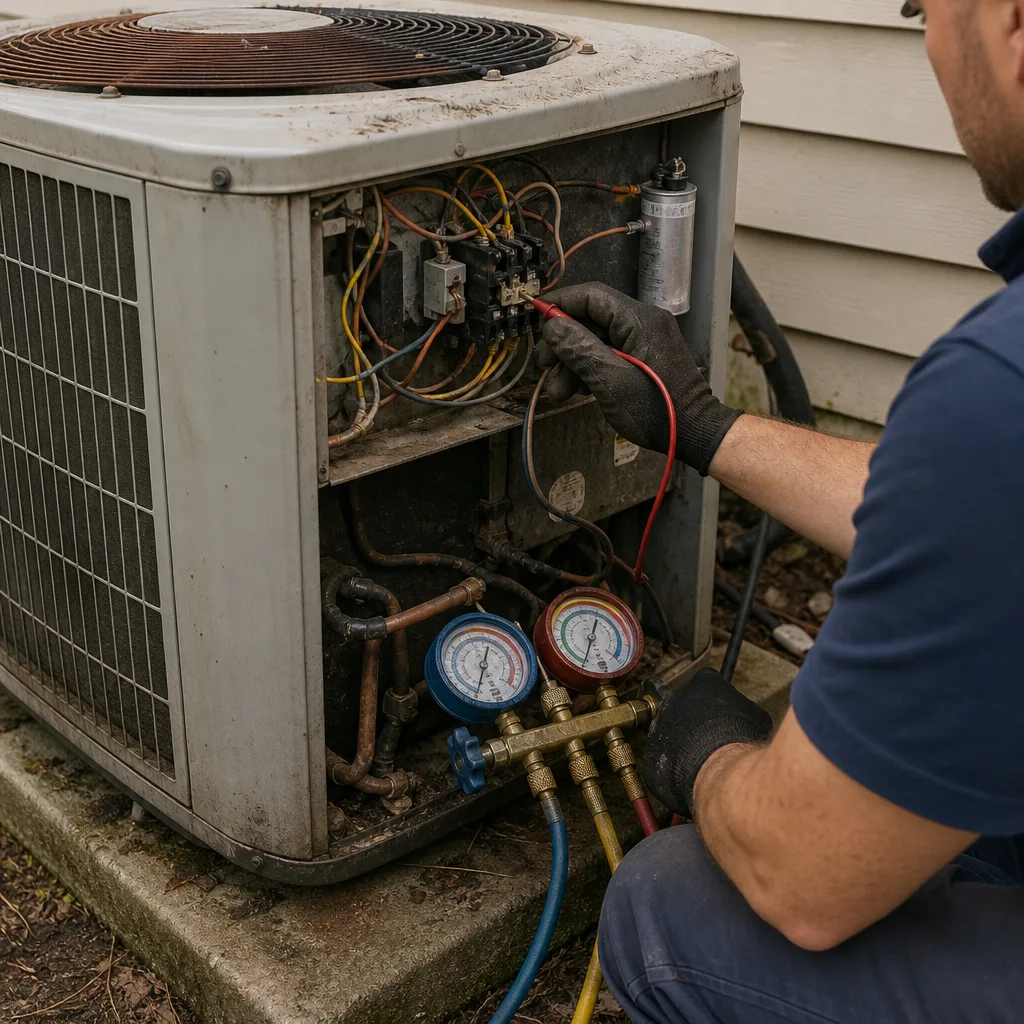 Before
 After
After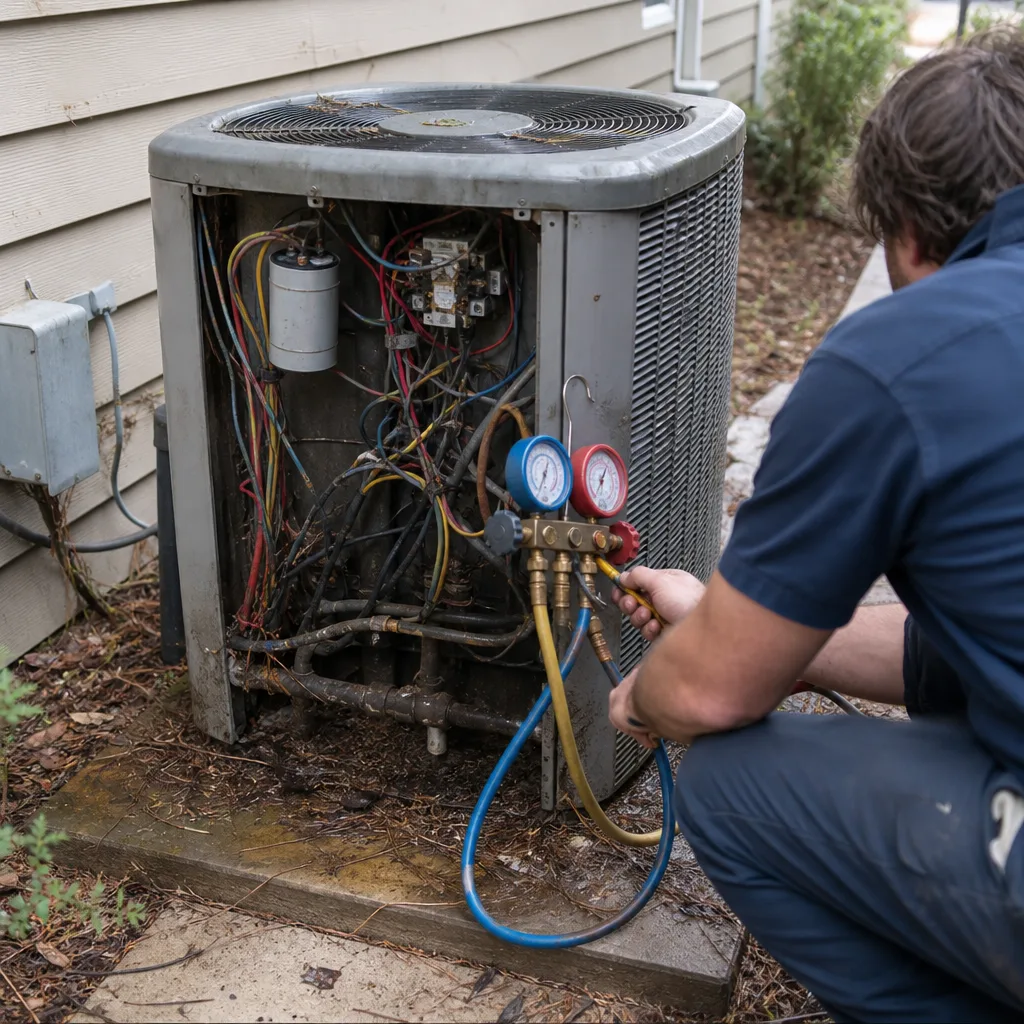 Before
 After
After