
Last updated October 16, 2026
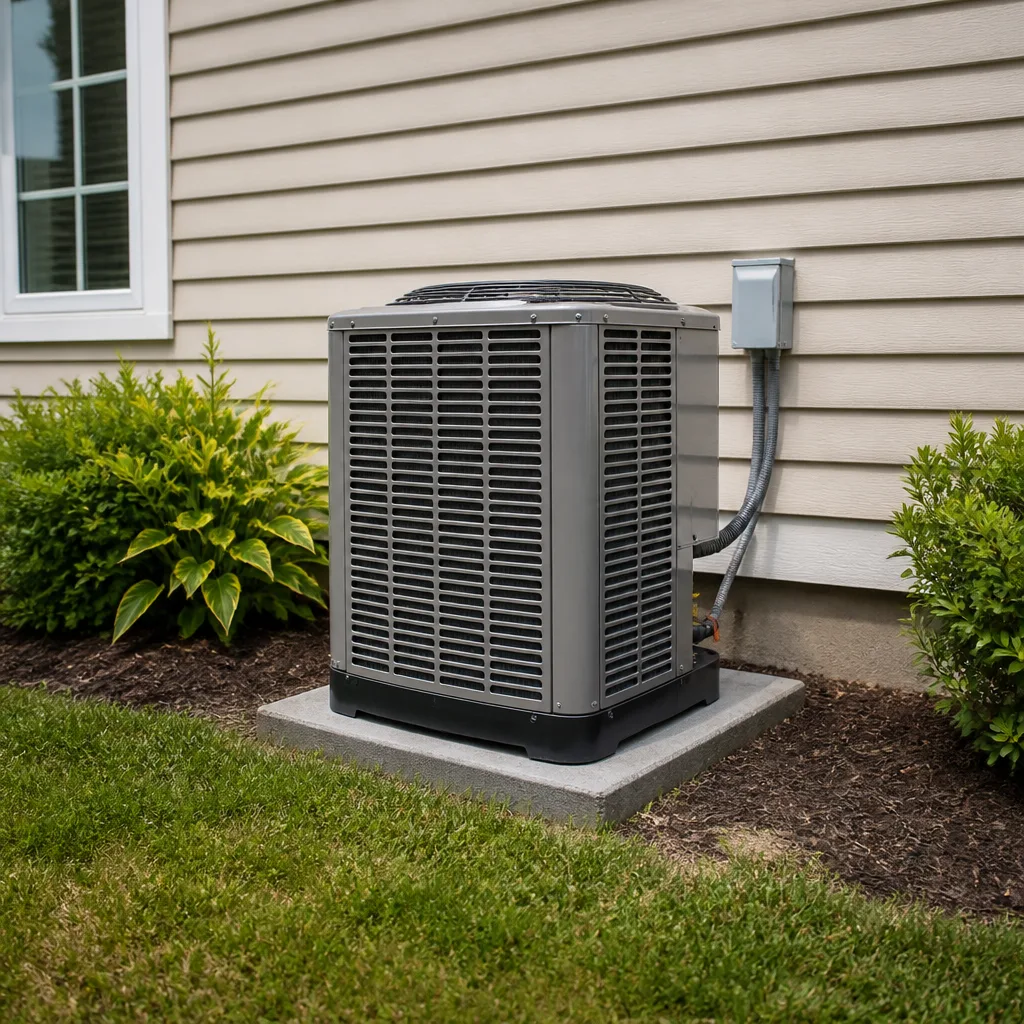 AC repair
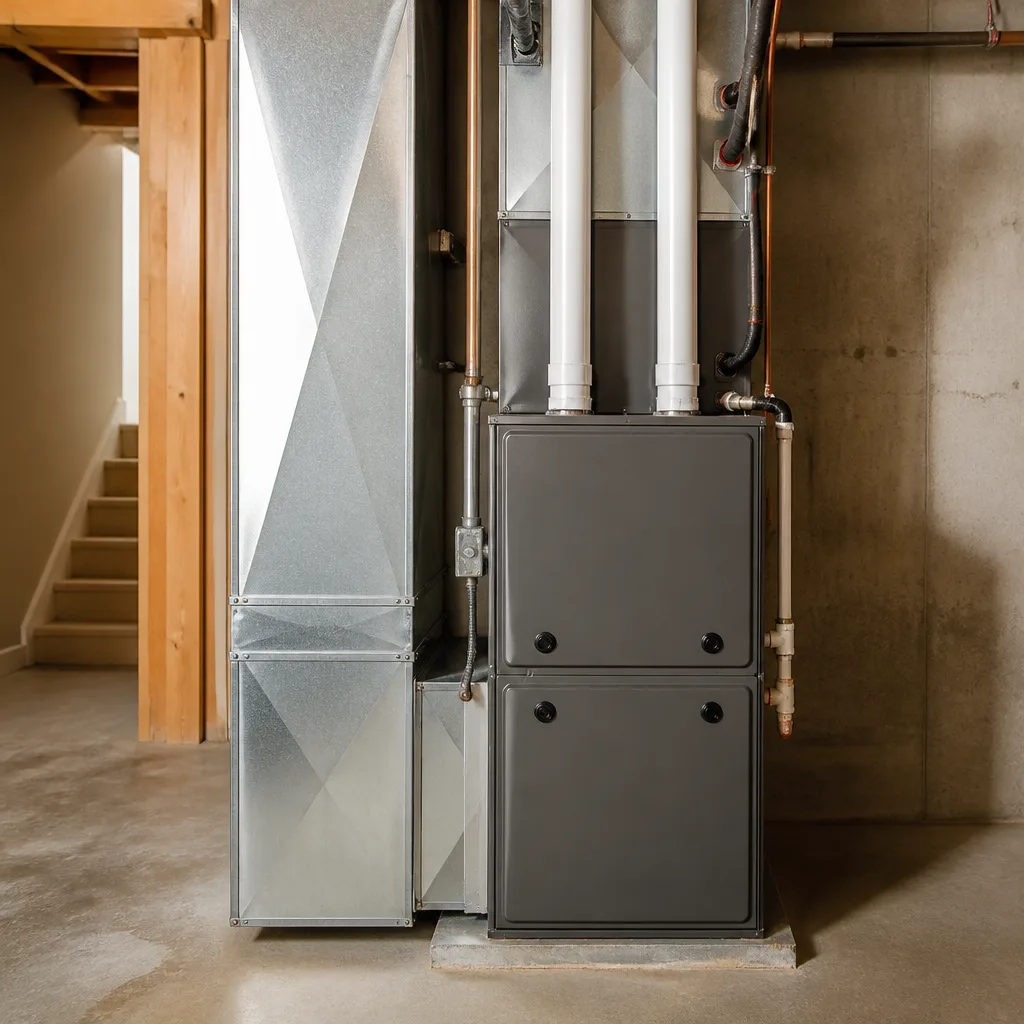 Furnace & heating
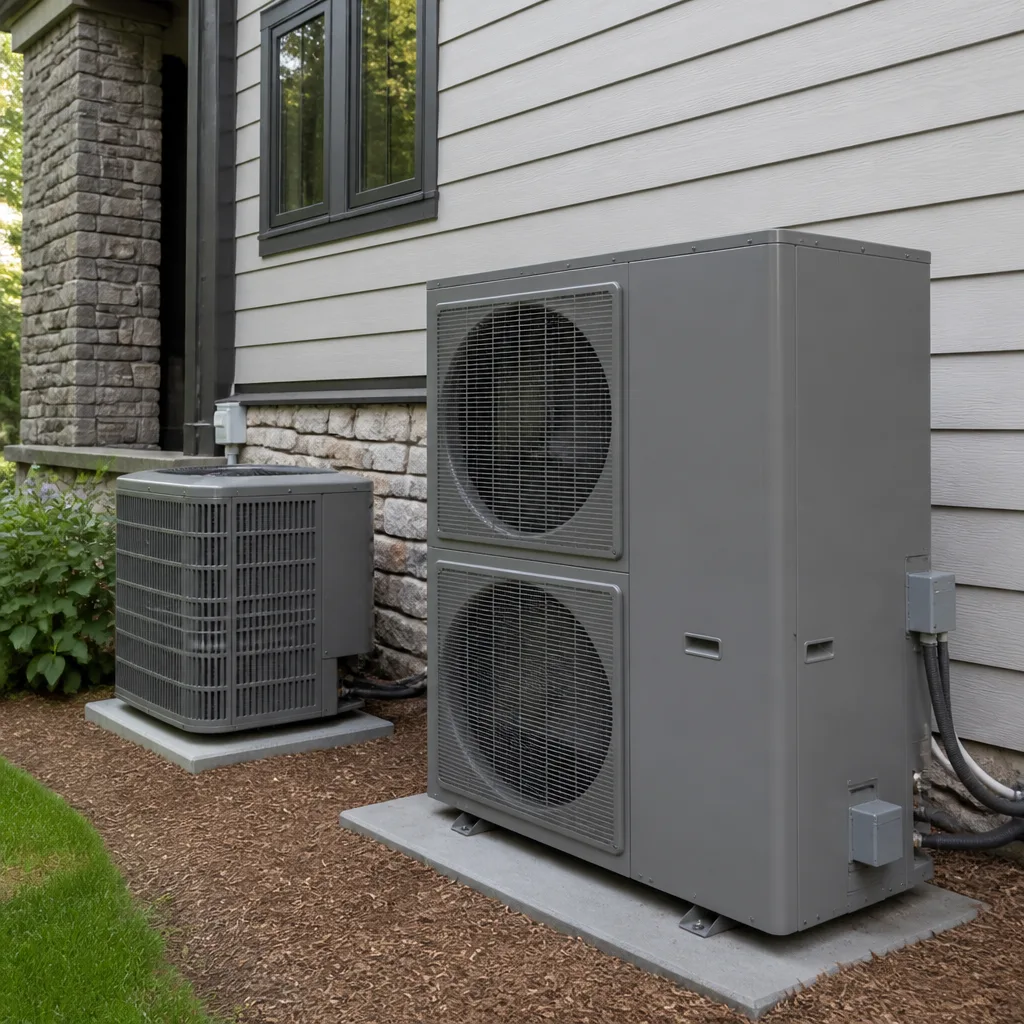 Heat pumps
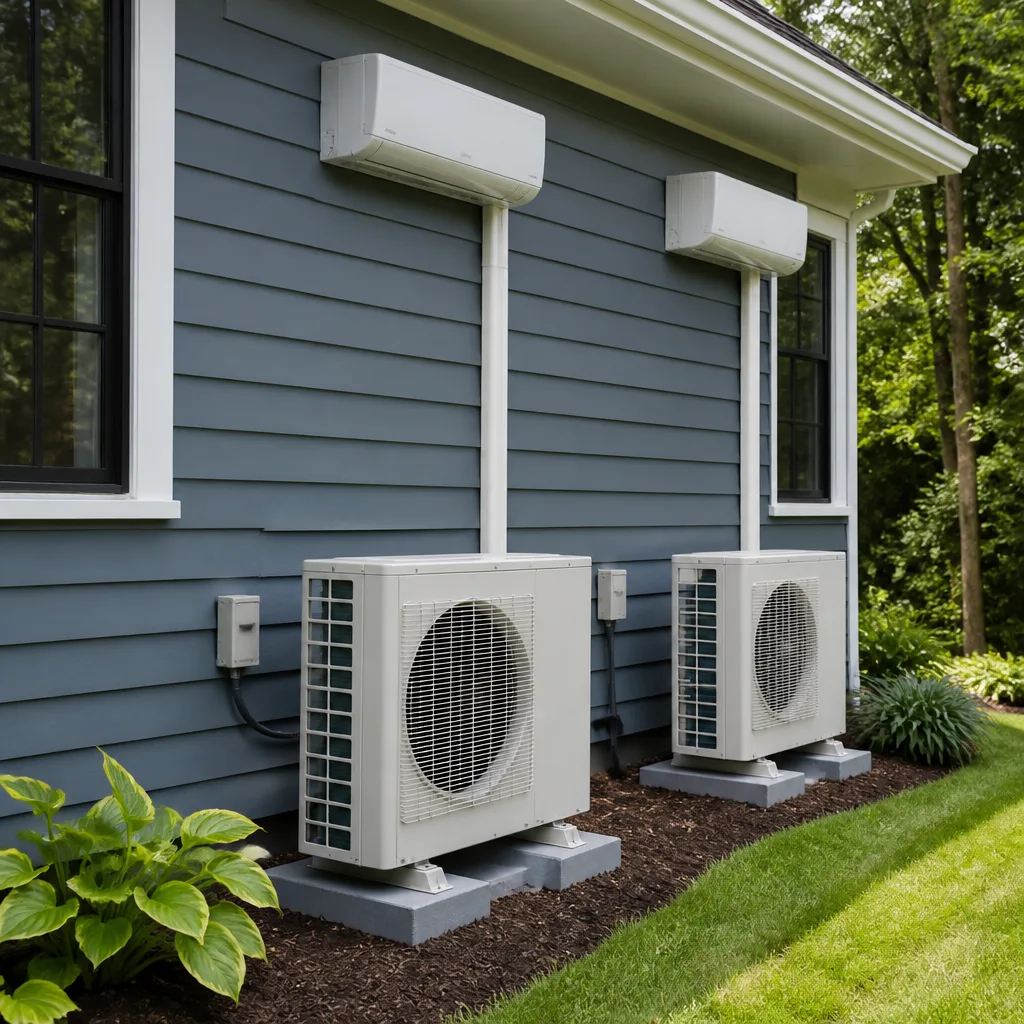 Ductless mini splits
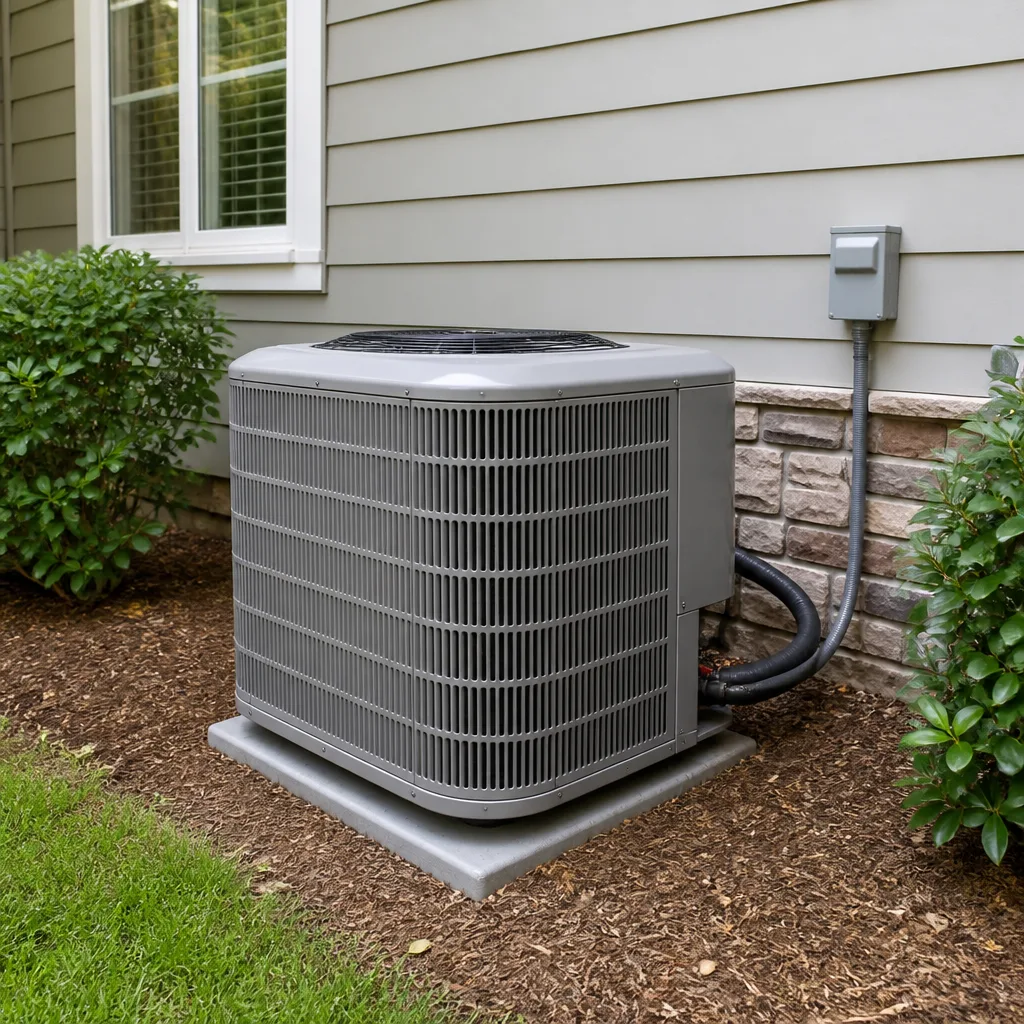 Carrier
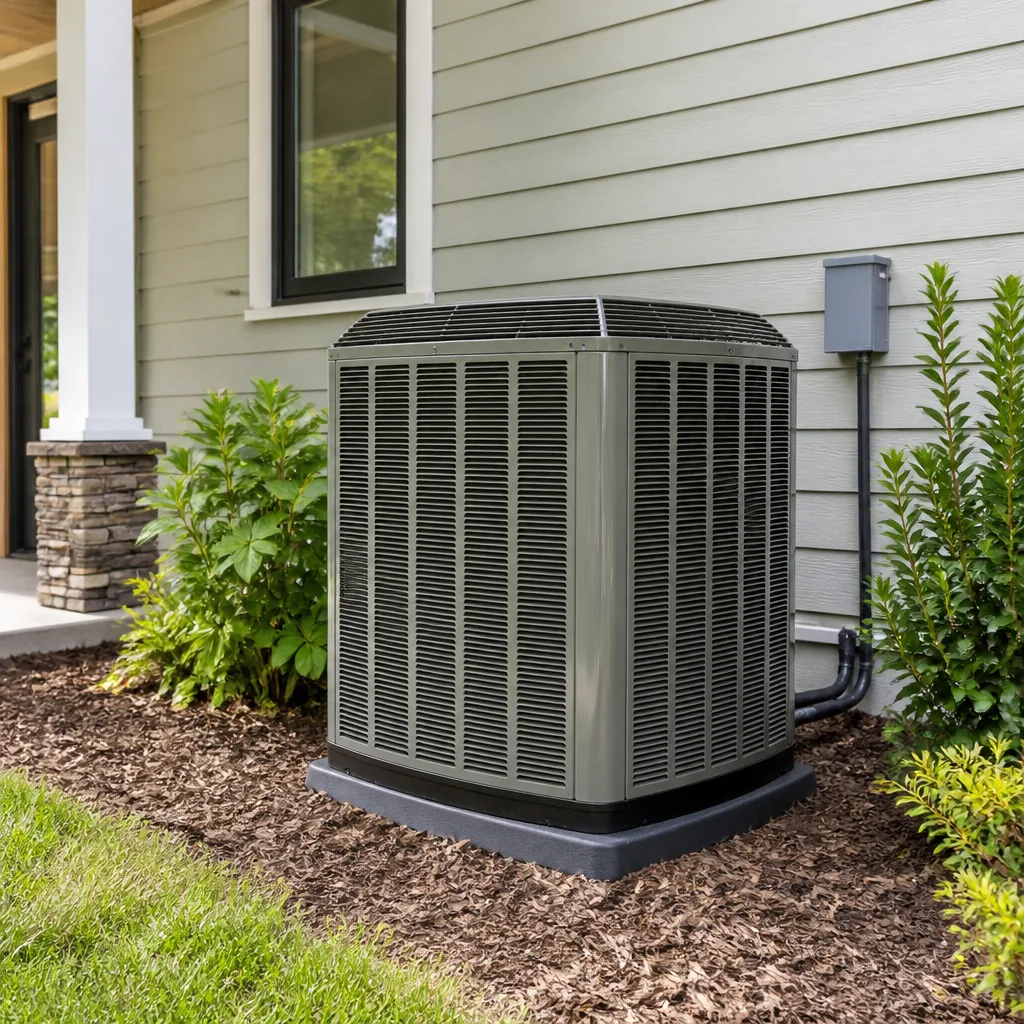 Trane
Trane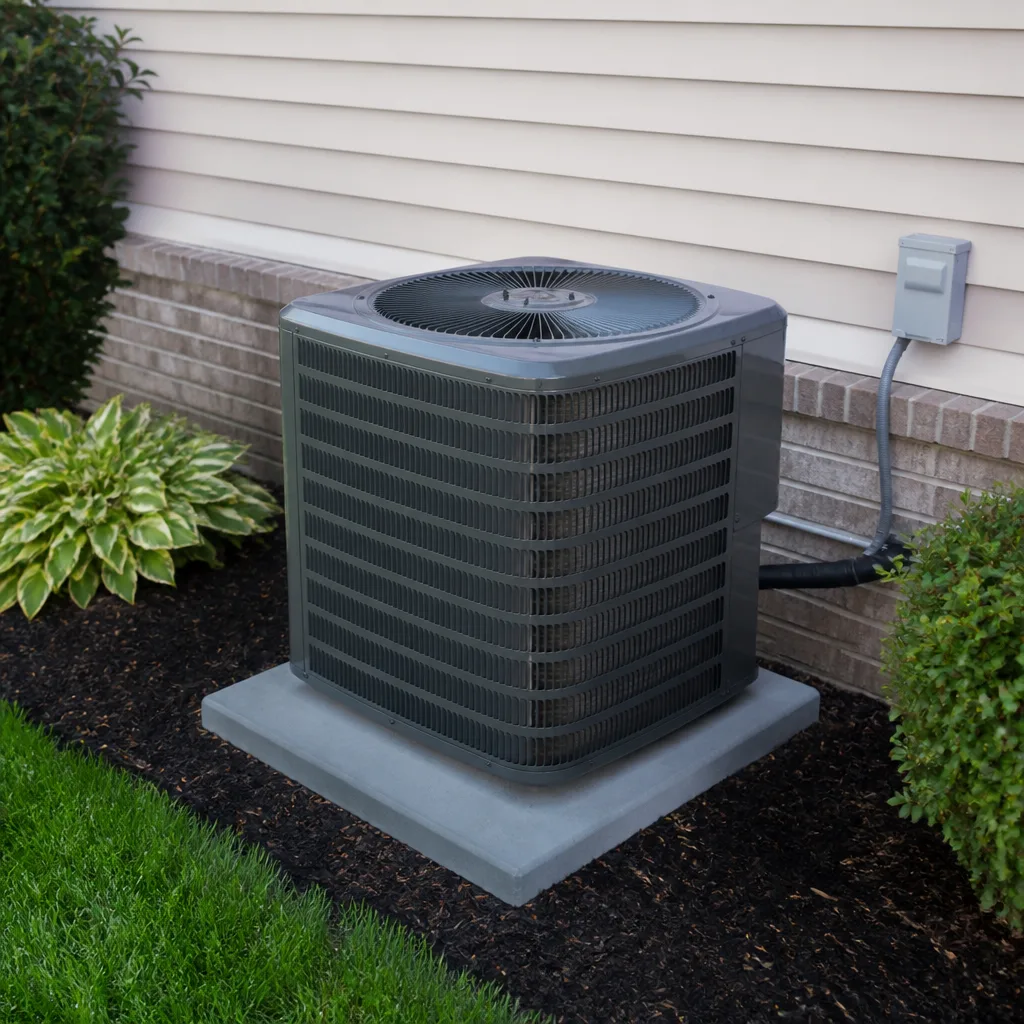 Goodman
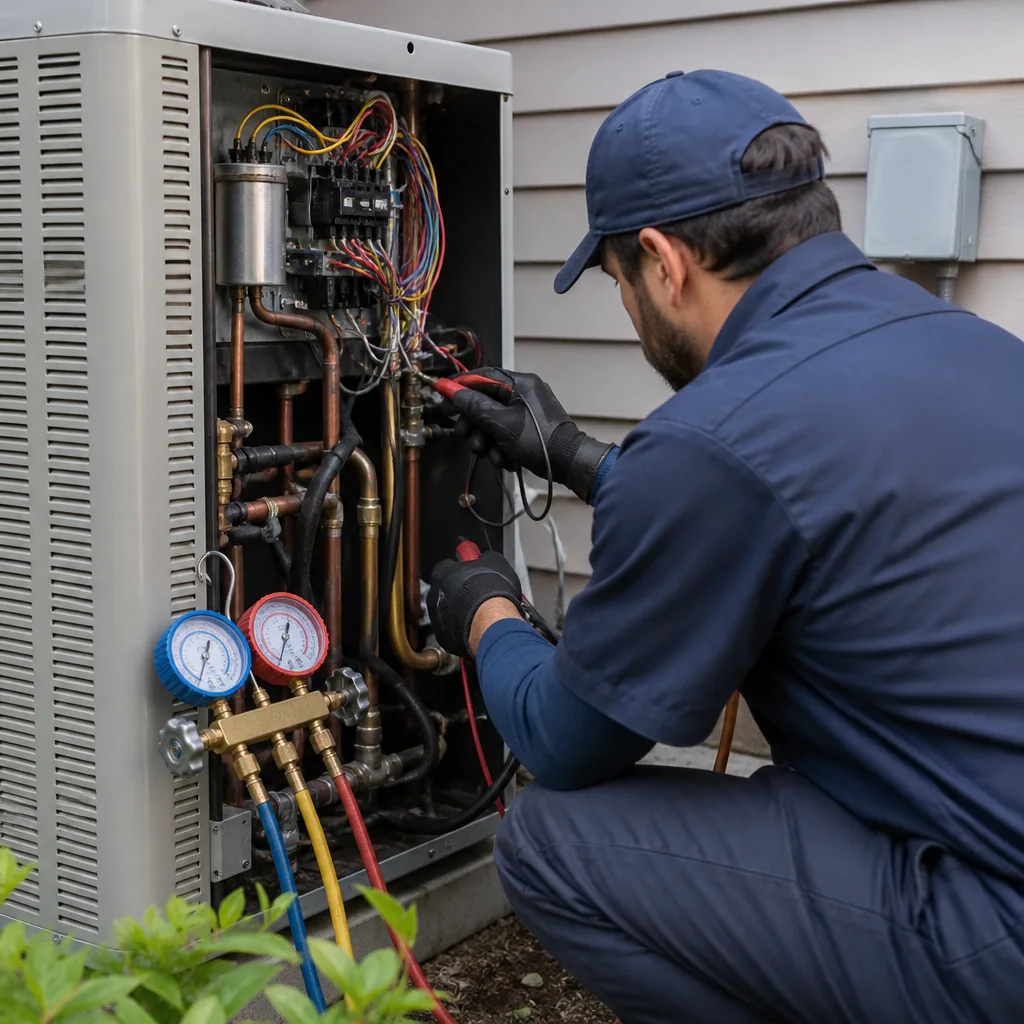
Seasonal tune-up and full diagnostic on your Carrier, Trane, or Goodman system - readings shown to you before any repair is proposed
Diagnosis first, numbers second - you approve the repair price before a single part goes in.
Get your free estimateHVAC Warning Signs: A Sandy Springs Homeowner’s Reference Guide
Here’s a number that should get your attention: roughly 7 of every 10 “dead” compressors we replace in Sandy Springs were running fine until a $40 capacitor or a $180 contactor quietly failed, and the system kept limping along until the compressor burned itself out. The warning signs were there for months. Most of them don’t require a tech visit to spot, and none of them require you to understand refrigeration theory. This guide and our Complete Guide to HVAC in Sandy Springs walk you through the signs that matter, the probable causes, which ones are safe to watch for a week, and which ones need the system shut down today.
Quick Answer
Most HVAC warning signs in a Sandy Springs home point to one failing component, not a failing system. If your unit short-cycles, ices up, leaks water, hums without starting, or blows air that is not as cold as it used to be, you are most likely looking at a $150 – $450 repair. Catch it early and that is the end of it. Ignore it and you can be into a $5,000 – $9,000 replacement before summer is out.
Styles & brands we work with
Table of Contents
- Short Cycling: The Most Misdiagnosed Symptom in Sandy Springs
- What That Sound Means: Hard Starts, Squealing, Banging
- Smells: Musty, Burning, and the One That Smells Like Nail Polish
- Refrigerant Leak vs. Normal Condensation: A Field Guide
- Delta-T: The $12 Test That Tells You More Than a Tech’s Opinion
- Oversized vs. Undersized: Two Different Problems, Two Different Fixes
- Watch for a Week vs. Shut It Down Today
- Common Mistakes to Avoid
- When to Call a Professional
- Frequently Asked Questions
Short Cycling: The Most Misdiagnosed Symptom in Sandy Springs
A system that turns on and off every four to six minutes is the single most misdiagnosed symptom in residential HVAC. Homeowners in Sandy Springs get told all the time, “Your unit’s too old, it’s done.” Then we arrive, find a dirty evaporator coil or an oversized system that was never right to begin with, and the fix is a few hundred dollars or a control adjustment. Short cycling is not a death sentence. It is a symptom with a cause, and the cause is usually findable in under an hour.
What “Short Cycling” Actually Looks Like
Normal cooling cycles in a Sandy Springs summer run 10 to 20 minutes during peak heat. When your system runs four to six minutes, shuts off, then kicks back on a few minutes later, that is short cycling. It wrecks efficiency because the system spends the hottest part of each cycle just getting the coil cold. It also beats up the compressor, which endures the hardest electrical load every single start.
The Real Causes, in Order of How Often We See Them
- Dirty evaporator coil: The indoor coil is buried in dust and pet hair from Sandy Springs’ pollen-heavy springs. When it can’t absorb heat, the system shuts down on a safety switch. Cleaning runs $150 – $350.
- Oversized system: A unit that was always too big for the house cools the air so fast it can’t run long enough to pull humidity out. This is not repairable by adding refrigerant. It is a sizing problem.
- Failing run capacitor: A weak capacitor makes the compressor or fan motor draw too much power on startup, tripping a safety. A capacitor swap runs $150 – $250.
- Low refrigerant from a slow leak: Not enough cooling fluid means the evaporator can’t get cold enough, so the system short-cycles on a low-pressure switch. We cover this more in the leak section below.
- Thermostat placement or calibration: A thermostat on a wall that gets direct afternoon sun, or one that has drifted out of calibration, will call for cooling when the room is not actually warm. This is a $120 – $200 fix, not a system replacement.
If your system has been short cycling through a single Sandy Springs summer, you have probably been told to replace it. Before you spend that money, get a second opinion that includes a coil inspection and a static pressure test. Both are on the written estimate before any work starts at Dalton Heating & Air Sandy Springs home.
What That Sound Means: Hard Starts, Squealing, Banging
HVAC sound is a diagnostic tool, not a mystery. Our techs can often tell you what is wrong by listening over the phone. Here is the plain-English decoder for the four sounds we hear most in Sandy Springs.
Hard Start: A Loud Thunk or Grinding at Startup
A compressor that slams on with a thunk is drawing too much current on startup. The most common cause is a failing start capacitor or start relay, a $150 – $250 repair on most Carrier, Rheem, and Goodman units. Catch it here and the compressor lives. Ignore it and the eventual repair is a $1,800 – $3,200 compressor replacement.
Squealing or Screaming
Squealing is almost always a blower motor or condenser fan motor bearing going dry. You will hear it from the indoor unit (blower) or the outdoor unit (condenser fan). The motor itself runs $250 – $500 to replace, depending on brand and whether it is a variable-speed or single-speed motor. This is a watch-for-a-week item only if the squeal is intermittent and faint. A loud sustained squeal means the motor is about to seize.
Banging or Clanking from the Outdoor Unit
Banging usually means something mechanical is loose: a fan blade hitting a shroud, a compressor mount that has worn through its rubber isolators, or a piece of debris that got past the coil guard. If a fan blade is loose, shut the system down. A blade that comes free at speed will take out the coil, and that is a $1,200 – $2,000 repair on your condenser.
The Buzzing-Without-Starting Sound
A loud buzz with no startup is a compressor locked rotor or a failed capacitor that is not letting the compressor turn over. A hard buzz for more than five to ten seconds is a shutdown-now sound. Continued attempts will overheat the compressor windings and turn a $200 capacitor job into a full compressor replacement. We cover this more in the emergency section below.
Smells: Musty, Burning, and the One That Smells Like Nail Polish
Every HVAC smell maps to a likely cause. Some are nuisance issues. One is a safety emergency. Do not ignore any of them, but know which one means shut it down.
Musty or Dirty-Sock Smell
Musty air from the vents means microbial growth on the evaporator coil or in the drain pan. Sandy Springs’ humidity makes this a year-round issue, not just a summer one. The fix is a coil cleaning and, if the growth is extensive, a treatment with an EPA-registered cleaner. Some Trane and Lennox systems have factory antimicrobial coils, but even those need the pan and drain line cleaned annually. A coil cleaning runs $150 – $350. A UV light install to prevent recurrence runs $350 – $700, and we include the written price before any work starts.
Burning Dust Smell on First Use of the Season
A burning smell the first time you run heat in October or November is usually dust on the heat exchanger or electric heat strips burning off. It should clear within 20 to 30 minutes. If it persists beyond that, shut the furnace down and call us. We service all furnace types in Sandy Springs and cover Furnace Repair in Sandy Springs with a written guarantee on every repair.
A Sharp, Sweet, Acetone-Like Smell
This is refrigerant. The smell itself is not dangerous in the concentrations you would notice, but a refrigerant leak means your system is losing its cooling capacity and possibly sending liquid refrigerant into the compressor. That liquid does not compress, and the compressor will eventually destroy itself. Shut the system down and call. Refrigerant leak detection and repair runs $250 – $700 for most systems, depending on where the leak is and whether we can reach it without recovering all the charge.
Refrigerant Leak vs. Normal Condensation: A Field Guide
Every air conditioner produces water when it runs. That is condensation from warm humid air hitting the cold evaporator coil, and it is normal. A refrigerant leak also makes things wet and cold, but in the wrong places. Here is how to tell the difference without a gauge set.
Check the Line Set
The line set is the pair of copper pipes running between your outdoor unit and the indoor coil. The larger pipe, wrapped in black foam insulation, is the suction line. In normal operation, that pipe should be cool and sweating lightly on a humid Sandy Springs day. If the foam insulation is missing and the pipe is exposed, it will sweat more, but it should not be frozen.
Symptoms of a refrigerant leak on the line set:
- Frost or ice on the large suction line at the outdoor unit while the system is running. That is not condensation. That is a refrigerant charge too low to maintain proper evaporation temperature.
- Oil staining on any copper joint in the line set, outdoor unit, or indoor coil connection. Refrigerant carries oil through the system. Where refrigerant leaks, oil follows and collects dust.
- Hissing or bubbling sound from the line set when the system shuts off. This is refrigerant equalizing through a pinhole leak.
Check the Indoor Coil Area
Normal condensation shows up as water dripping into the drain pan and out the condensate line. Refrigerant leak symptoms at the indoor coil look different:
- A full block of ice on the indoor coil, not just light frost. This can also be caused by low airflow from a dirty filter or a failing blower, so run the filter check first.
- Oil staining around the coil’s aluminum fins where the copper lines attach. This is a refrigerant leak signature.
- Condensation on the outside of the air handler cabinet, not just inside the drain pan area.
If you see ice on the suction line or coil, turn the system to fan-only for two hours to thaw it before a tech arrives. A frozen coil cannot be diagnosed. Then call us for leak detection. Small leaks can sometimes be sealed; larger or multiple leaks usually mean a coil replacement, which runs $600 – $1,500 on most Goodman, Rheem, York, and Daikin systems.
Delta-T: The $12 Test That Tells You More Than a Tech’s Opinion
“Delta-T” is HVAC shorthand for the temperature difference between the air going into your return and the air coming out of your supply vents. It is the single best DIY performance metric you have, and it requires a $12 infrared thermometer and about ten minutes.
How to Measure It
- Set your thermostat to cooling and let the system run for 15 minutes to stabilize.
- Point the infrared thermometer at the return grille where air enters the system. Write down the number.
- Point the thermometer at the supply vent closest to the air handler, the one with the strongest airflow. Write down the number.
- Subtract the supply temperature from the return temperature. That is your delta-T.
A properly charged and properly moving system in a Sandy Springs home should show a delta-T of 15 to 20 degrees Fahrenheit when the return air is in the mid-70s. If you are measuring 10 degrees or less, your system is not pulling heat out of the air effectively. If you are measuring 23 degrees or more, your airflow is too low across the coil, which risks icing and compressor slugging.
What the Numbers Mean
- Delta-T under 12 degrees: Low refrigerant, compressor not pumping at full capacity, or a restricted metering device. This is a service call, not a maintenance issue.
- Delta-T of 13 to 17 degrees: Borderline. Check your filter first. A dirty one-inch filter can drop delta-T by 3 to 5 degrees on its own.
- Delta-T of 18 to 22 degrees: Healthy, assuming the return air temperature is in the normal 72 – 78 degree range.
- Delta-T over 23 degrees: Airflow problem: dirty coil, closed supply dampers, undersized ductwork, or a failing blower motor. The system will ice up and then short cycle.
This simple test costs less than the service call and tells you whether a problem is even worth a visit. We’ve had Sandy Springs homeowners call us, report a delta-T, and we can often tell them over the phone whether to shut it down or whether it can wait until morning.
Oversized vs. Undersized: Two Different Problems, Two Different Fixes
Most homes in Sandy Springs built before the 2000s have HVAC systems that were sized by rule of thumb, not by Manual J load calculation. That means a significant number of them are oversized, and the symptoms of oversized and undersized are confusingly similar until you know what to look for.
Oversized: The System Cools Fast but Feels Sticky
An oversized system has too much cooling capacity for the square footage and heat load of the house. The symptoms are:
- Short runtime: The system satisfies the thermostat in 6 to 10 minutes even on a 95-degree Sandy Springs afternoon.
- High indoor humidity: Short cycles mean the coil never runs long enough for moisture to condense out of the air. The house feels cold and clammy at the same time.
- Hot and cold spots: The system blasts cold air for a few minutes, stops, and the far rooms never get comfortable before the cycle ends.
- Frequent starts: Three to four starts per hour is excessive and shortens compressor life dramatically.
There is no cheap repair for an oversized system. You can band-aid it with longer thermostat differentials or a whole-house dehumidifier, but the honest fix is replacement with a properly sized unit. That is exactly the kind of work we price in writing before any equipment is ordered. If you are facing this, read through what a properly sized Heat Pump Installation in Sandy Springs involves, including the load calculation piece most companies skip.
Undersized: The System Never Stops and Can’t Hit Setpoint
An undersized system is one that cannot move enough heat out of the house to satisfy the thermostat on a hot afternoon. The symptoms are:
- Runtime over 45 minutes without reaching setpoint during summer afternoons.
- The upstairs runs 5 to 8 degrees warmer than downstairs while the system runs constantly.
- The system never shuts off between 2 p.m. and 8 p.m. on a hot day.
- Your energy bill is climbing even though the system is “working.” Constant runtime without resting means the compressor is pulling full power all afternoon.
Undersized is sometimes fixable with duct remediation, zoning, or a supplemental unit for the upstairs. Other times, it needs a replacement. Either way, the path forward starts with a load calculation and a static pressure reading, not another company telling you to just set the thermostat lower.
Watch for a Week vs. Shut It Down Today
Not every warning sign is an emergency. But some are, and shutting the system down promptly is the difference between a repair and a replacement. Here is the split list we give to Sandy Springs homeowners over the phone.
Safe to Monitor for a Week
- Intermittent faint squeal from the blower or condenser fan. Note when it happens: startup, shutdown, or continuous. That information helps us diagnose faster.
- Slightly reduced cooling with a clean filter and normal delta-T. Could be an early low refrigerant sign or just an unusually hot stretch.
- Musty smell that comes and goes with no water leakage. Schedule a coil cleaning, but this is not a shutdown emergency.
- A drain pan that is damp but not overflowing. Pour a cup of white vinegar down the condensate line and see if it drains freely.
Shut Down Today and Call
- Buzzing without starting: The compressor or fan is trying to start and cannot. Continued attempts will destroy the motor.
- Banging or grinding from the outdoor unit while running: Something mechanical is failing. A thrown blade will damage the coil.
- Burning smell that does not clear in 30 minutes: This could be a motor winding burning out or a heat exchanger crack. Shut it down.
- Refrigerant smell or visible ice on the copper lines: A low charge will kill the compressor through liquid slugging. Shut it down and let it thaw.
- No cooling at all with the outdoor unit running: The compressor may have already failed, and continued running is just making sure the replacement is expensive.
For any item on the shutdown list, call us any hour. A real person answers at (478) 400-5908, not a voicemail queue. We dispatch to every corner of Sandy Springs, and the price for the diagnostic is in writing before we touch anything.
Common Mistakes to Avoid
We have been doing this work in Sandy Springs since 2003 under The Garrison Standard, and here is what we see homeowners get wrong most often. Avoid these and you will avoid most of the expensive repairs that were avoidable.
- Replacing the system without diagnosing the symptom. Short cycling, freezing, and a failed start are component failures, not system failures. Get the actual cause named before you spend $7,000.
- Adding refrigerant every summer without finding the leak. Refrigerant does not get used up. It leaks. Topping off a leaking system is buying time at the cost of eventual compressor destruction.
- Running a system with a dirty filter for months. A clogged one-inch filter starves the blower and coil for airflow, and that is how you get frozen coils and failed compressors. This is the cheapest insurance in HVAC and the most skipped.
- Ignoring the condensate drain until water stains the ceiling. A clogged drain line in a Sandy Springs attic system will overflow inside the house. That is a $150 fix if caught early and a $3,000 ceiling repair if not.
- Setting the thermostat to 65 to “cool faster.” Your system cools at one speed. Setting it lower just makes it run longer, and if it is already struggling, you have now locked in a continuous full-load day for an undersized or failing compressor.
- Hiring a company that gives a verbal quote. If it is not in writing before work starts, you have no protection. Every job we do includes a written price before any work begins, on every call, without exception.
When to Call a Professional
Call a professional when the system is showing any shutdown-list symptom, when your delta-T is out of range after a filter change, when you smell burning that persists, or when you have added refrigerant more than once in a two-year span. You have not reached the limit of what you can do yourself; you have just reached the limit of what is safe and useful to do without a gauge set, an electrical meter, and the AC Repair Maintenance Checklist for Sandy Springs Homeowners.
Dalton Heating & Air Sandy Springs offers free estimates in Sandy Springs – call (478) 400-5908 – and publishes more guides & resources for local homeowners. As a Garrison Partners company, we follow The Garrison Code on every job: arrive inside the stated window, put the price in writing before starting, do the work by the book, leave the site clean, and stand behind the repair for a full year. If the work fails in that year, we return at no charge. That is the standard, and it is non-negotiable.
Frequently Asked Questions
You know a component is failing when the system short-cycles, makes hard startup sounds, blows air that is not as cold as it used to be, or shows a delta-T below 12 degrees on a clean filter. A proper diagnostic will name the specific failing part, and most of those parts are $150 – $450 repairs in Sandy Springs.
That is short cycling, and in Sandy Springs it is most often caused by a dirty evaporator coil, an oversized system, or a failing capacitor. It is not automatically a sign that you need a new unit. Get the coil checked and the system sized before you believe that diagnosis.
Warm air while the outdoor unit is running usually means low refrigerant from a leak or a failed compressor valve. If the outdoor unit is not running at all, it is more likely a capacitor, contactor, or tripped safety. Both are diagnosable in one visit, and the repair is priced in writing before we begin.
Most HVAC companies in Sandy Springs charge $79 – $150 for a diagnostic, and some roll that into the repair if you proceed. We put the diagnostic price in writing when you call, and the repair estimate is written before any work starts. Call (478) 400-5908 for exact pricing.
Repair if the failing component is under $600 and the system is under 12 years old and has no history of refrigerant leaks. Replace if the compressor has failed, the coil is leaking in multiple places, or the system is oversized for the house and cannot be corrected any other way. A good company will show you both numbers in writing and let you decide without pressure.
Yes. We answer the phone 24 hours a day with a live person, and we dispatch same day for emergencies in Sandy Springs. There is no overtime charge on emergency calls under The Garrison Standard. Call (478) 400-5908 and you will talk to a person, not a queue.
The Bottom Line
Most HVAC warning signs are component failures, not system failures. Short cycling, hard starts, musty smells, and low delta-T all point to specific, repairable parts, and the repair cost is usually a fraction of a replacement. Learn to read the signs, know what to shut down, and do not let anyone sell you a $7,000 replacement before they name the failing part and show you the price in writing. AC Repair in Sandy Springs starts with that diagnosis, and every repair carries a written guarantee for a full year.
Written by Marco Benitez, Owner at Dalton Heating & Air Sandy Springs, serving Sandy Springs since 2003.
See the difference
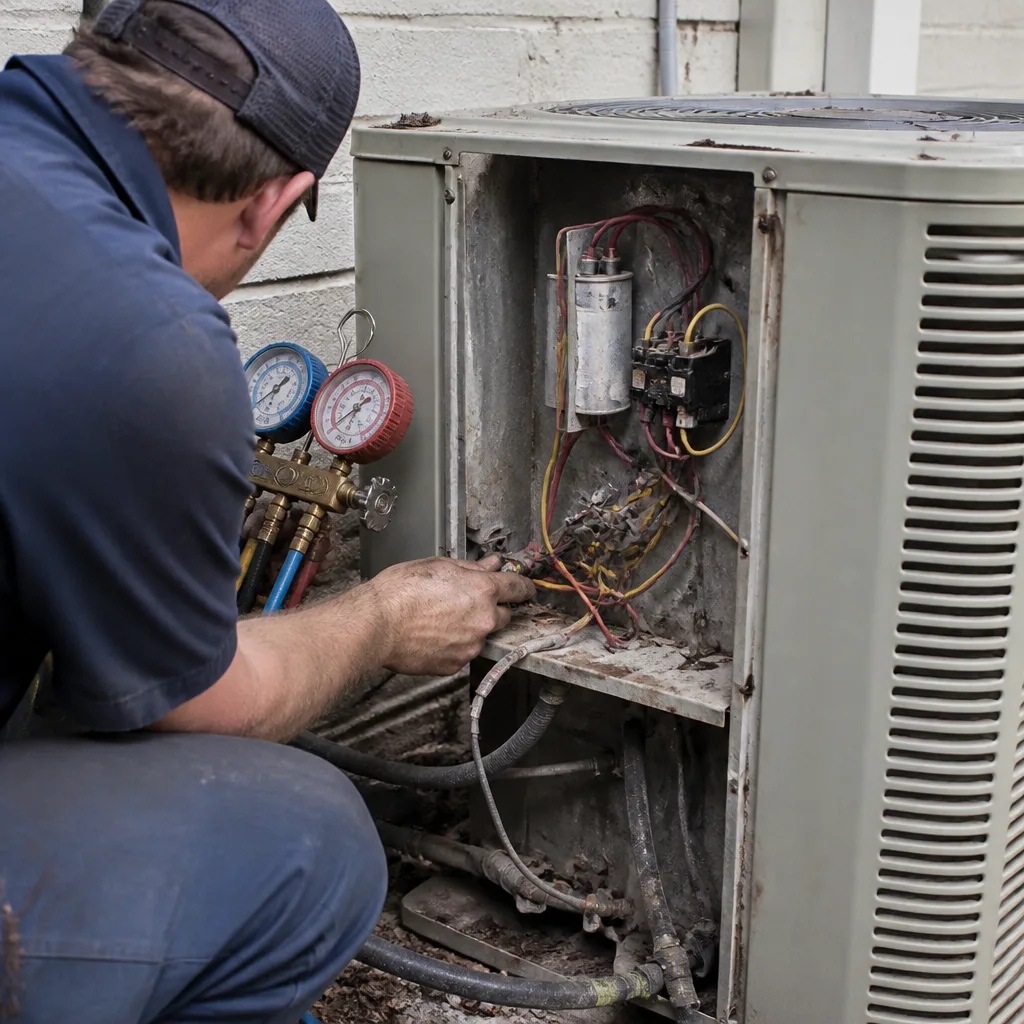 Before
 After
After Before
 After
After Before
 After
After