
Last updated October 16, 2026
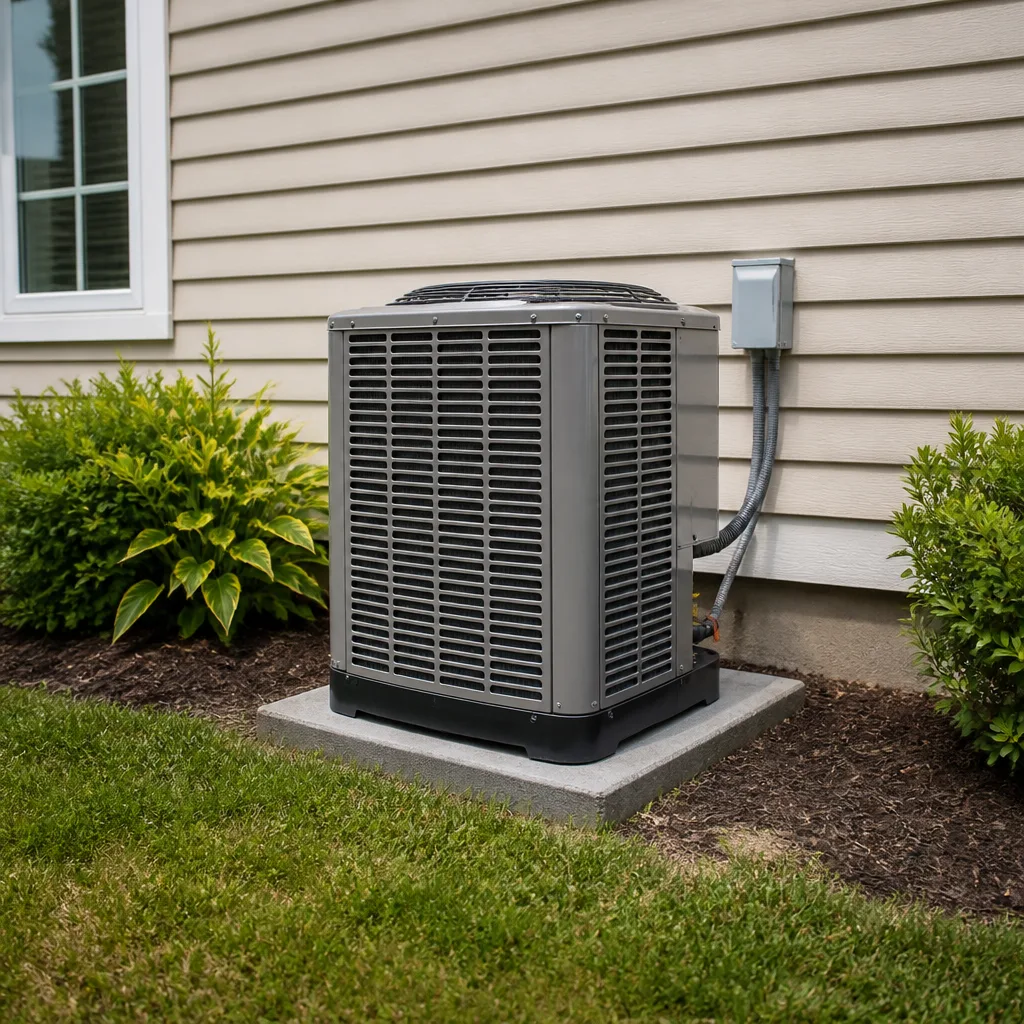 AC repair
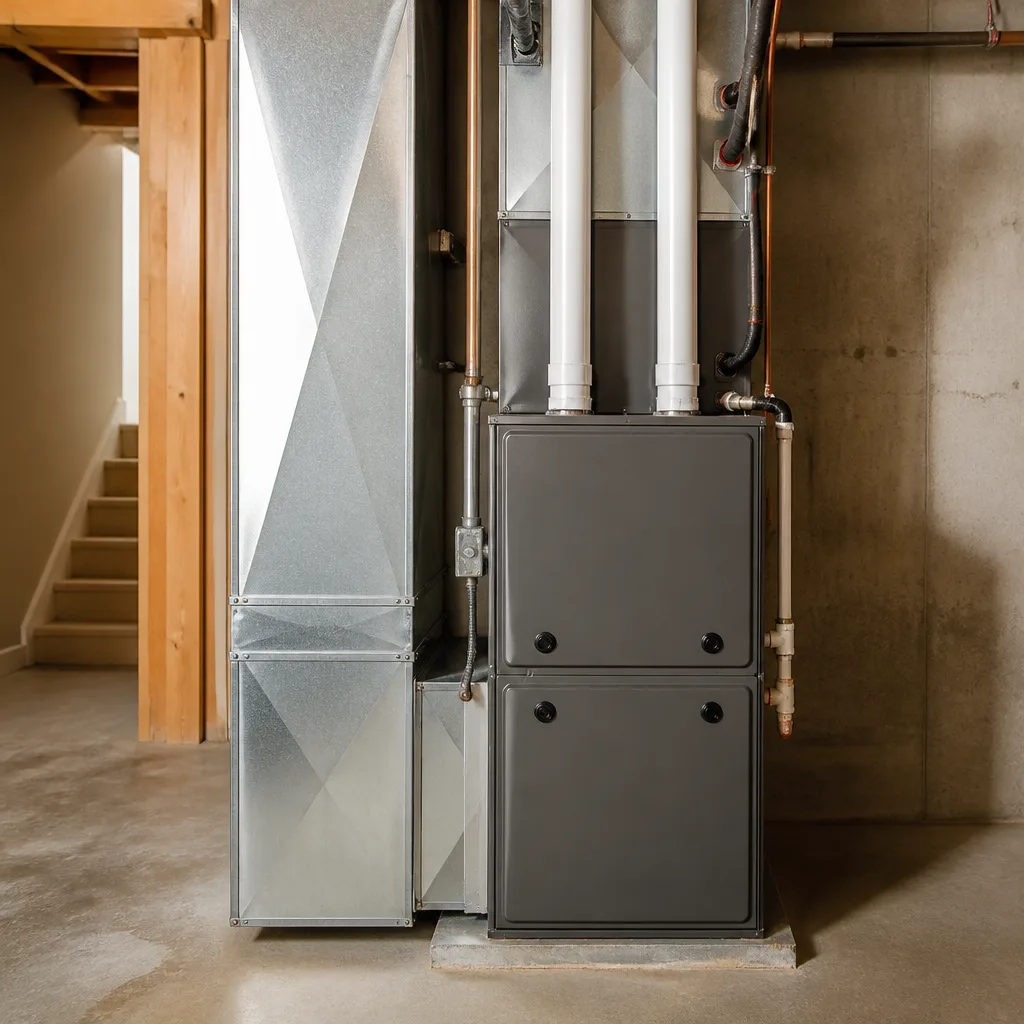 Furnace & heating
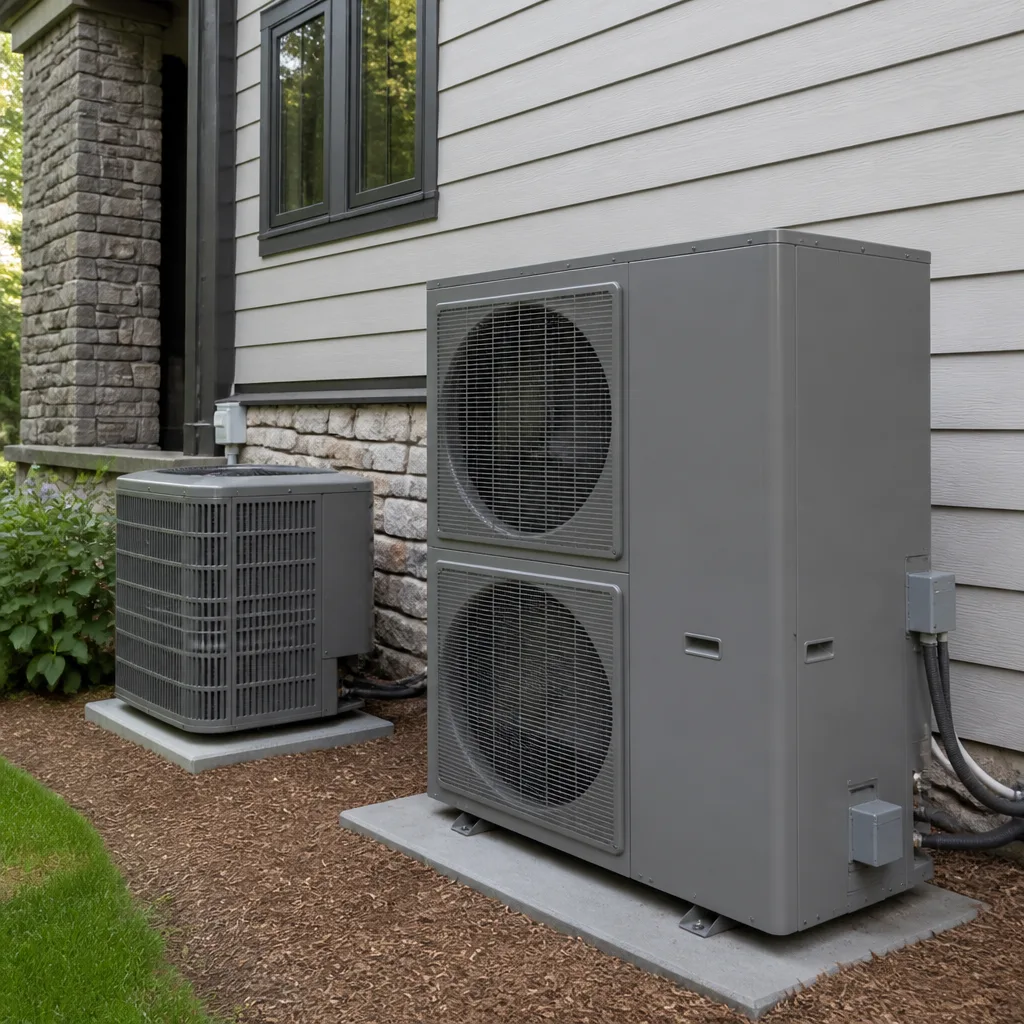 Heat pumps
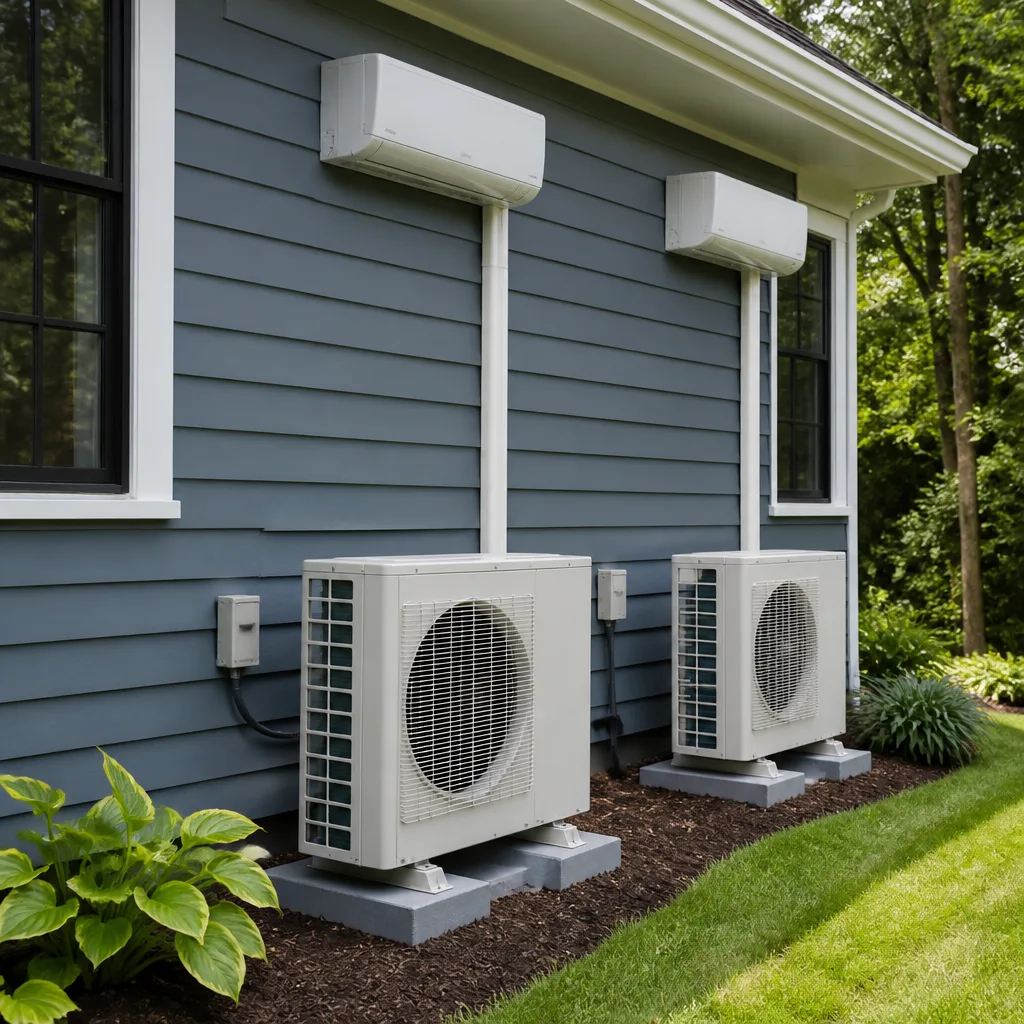 Ductless mini splits
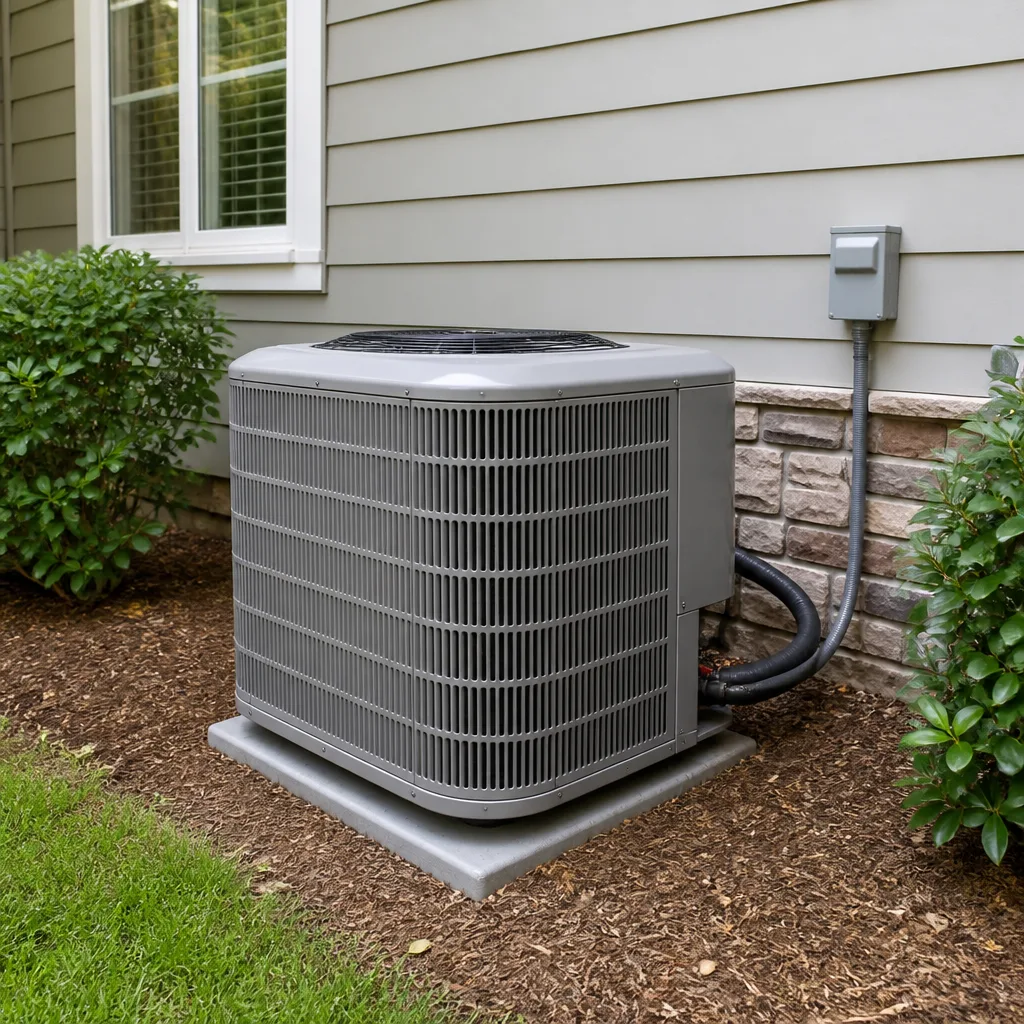 Carrier
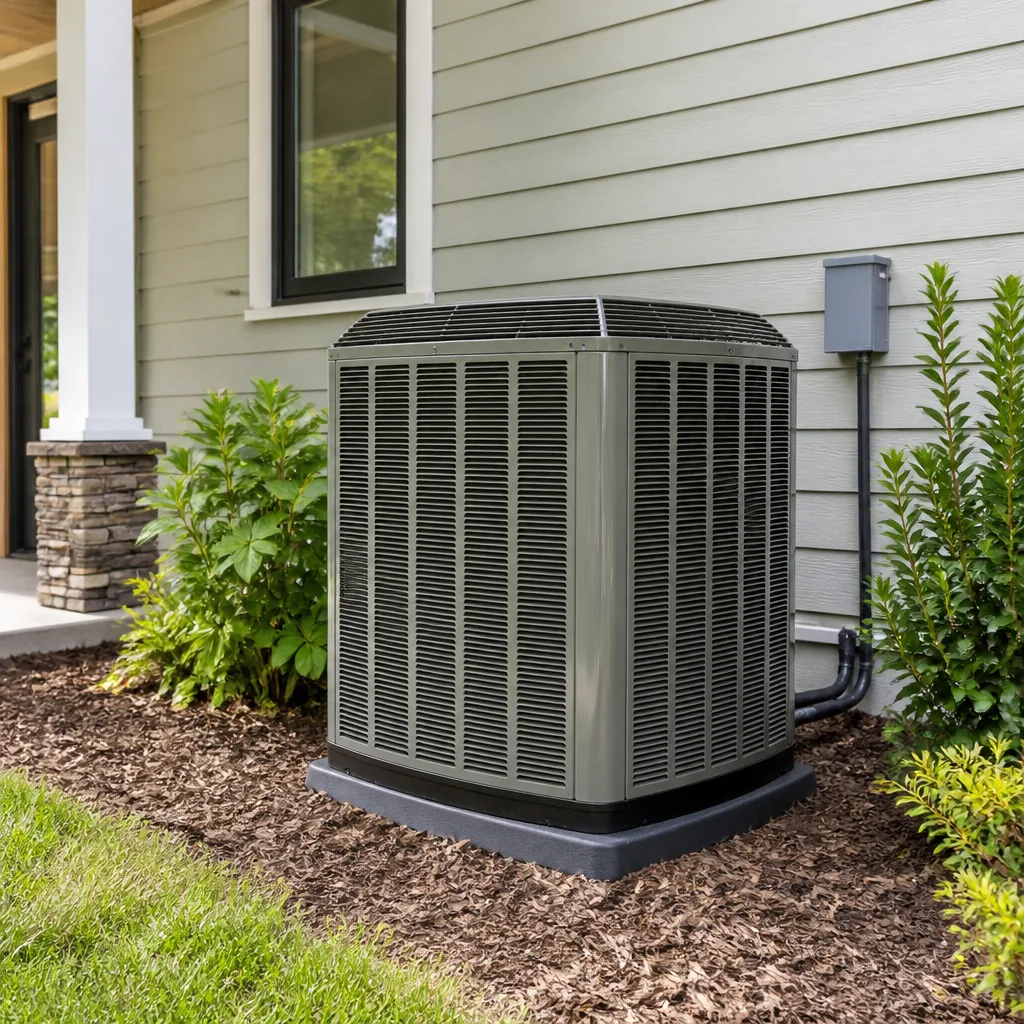 Trane
Trane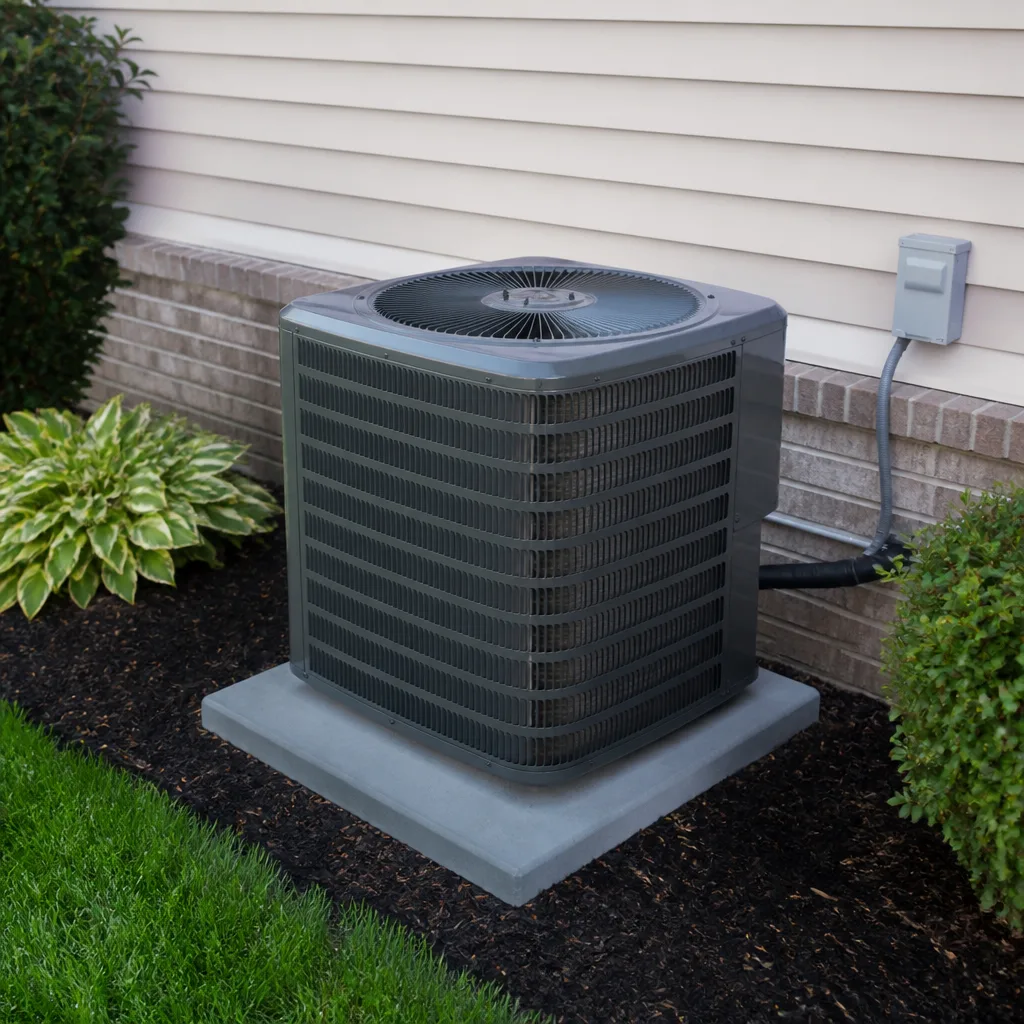 Goodman
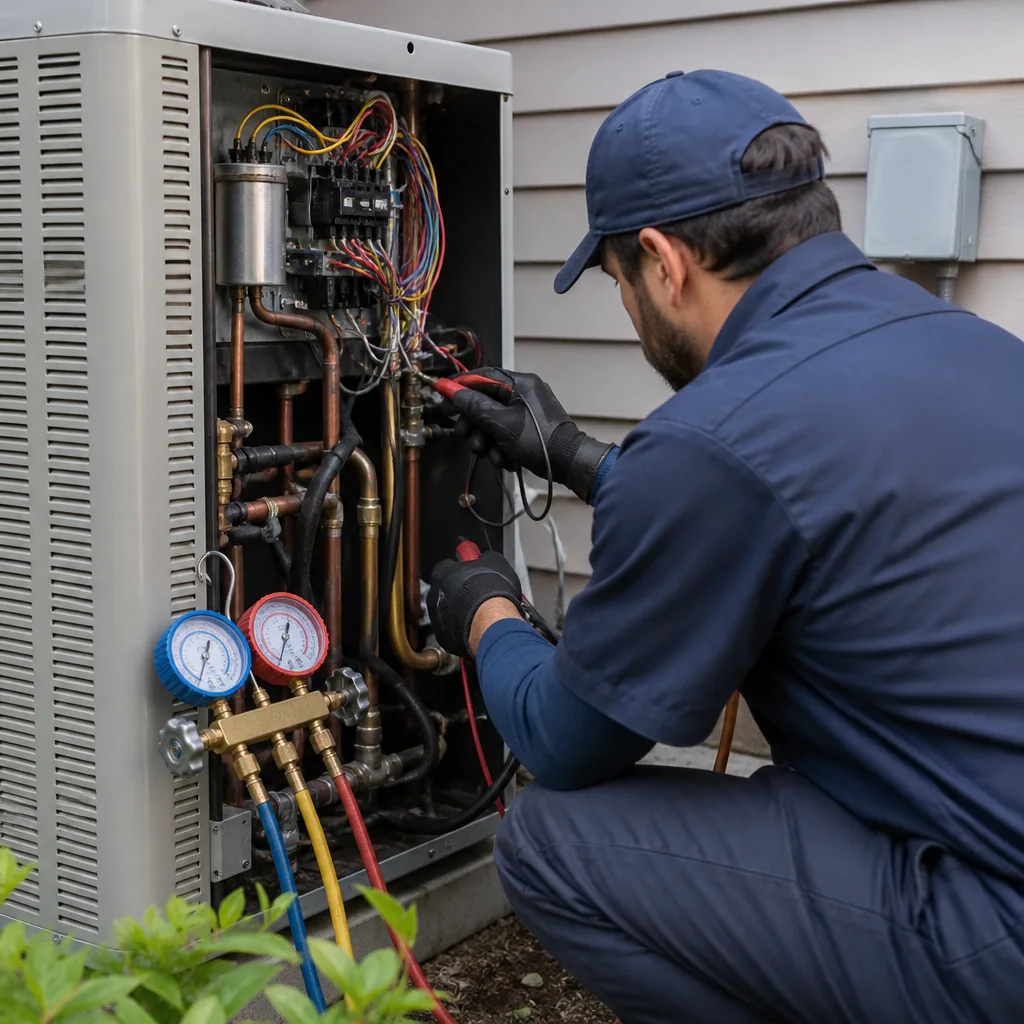
Seasonal tune-up and full diagnostic on your Carrier, Trane, or Goodman system - readings shown to you before any repair is proposed
Diagnosis first, numbers second - you approve the repair price before a single part goes in.
Get your free estimateSeasonal HVAC Care for Sandy Springs: Year-Round Homeowner’s Guide
Here’s a number most Sandy Springs homeowners never hear: your air conditioner works harder in one Sandy Springs summer than a furnace in Buffalo works in three winters. Our cooling season runs roughly eight months, and the humidity from May through September means your system isn’t just fighting heat – it’s fighting moisture that corrodes coils, breeds mold in drain lines, and silently shortens equipment life. This guide lays out a month-by-month maintenance rhythm built around Sandy Springs’ actual climate pattern: a long brutal cooling season, a short but real heating window, and two narrow shoulder months that are the only practical time to protect both systems at once. For more detail, see The Complete Guide to HVAC in Sandy Springs.
Styles & brands we work with
Quick Answer
Seasonal HVAC care in Sandy Springs means doing condenser-coil and drain-line maintenance in March before the cooling season starts, a full system check in October or November before the first cold snap, and filter changes every 30 – 60 days year-round. Download our AC Repair Maintenance Checklist for Sandy Springs Homeowners for a printable version. The single best week to schedule professional maintenance is between Thanksgiving and mid-December – cooling demand is over, heating demand hasn’t peaked, and you’ll get the widest scheduling flexibility of the year. Most Sandy Springs systems need two professional inspections annually: one in early spring, one in late fall, plus homeowner-level tasks in between.
Table of Contents
- The Climate Reality: Why Sandy Springs Isn’t Atlanta, HVAC-Wise
- The December Maintenance Window: Why It’s the Best Week of the Year
- Spring Pollen and Your Condenser Coil: The March Task List
- The Humidity Problem: Condensate Systems and Sandy Springs’ 70%+ Summers
- The October – November Shoulder Window: A Full Task List for Both Systems
- Heat Pump Changeover Temperature: Setting It Right for Sandy Springs Winters
- The Homeowner’s Log Sheet: Simple Documentation That Protects Your Warranty
- Common Mistakes to Avoid
- When to Call a Professional
- Frequently Asked Questions
- The Bottom Line
The Climate Reality: Why Sandy Springs Isn’t Atlanta, HVAC-Wise
Sandy Springs sits at a slightly higher elevation than downtown Atlanta, and that changes the HVAC math more than most people realize. Our overnight lows in April and October run cooler than the city center, which means systems cycle differently at the edges of the season. But the dominant fact is this: Sandy Springs averages over 2,000 cooling degree days annually. Translation: your AC runs for eight months of the year, and in July and August it can run 14 – 18 hours a day if the system is undersized or the coil is dirty.
What that means in practice: a Sandy Springs air conditioner accumulates about twice the runtime hours of a comparable system in Chicago or Boston. A ten-year-old AC here often has the equivalent of 14 – 16 years of Northern runtime. That runtime math matters because it changes the maintenance schedule. In a mild climate, you might get away with once-a-year service. Here, skipping spring maintenance on an AC that runs eight months a year is like skipping oil changes on a car you drive 25,000 miles a year. It won’t fail immediately, but it will fail early.
The heating side is the opposite problem, and it’s the one that catches people off guard. Sandy Springs heating demand is compressed into a short, unpredictable window from late December through early March. Because the season is short, furnaces often sit idle for nine months and then get asked to run hard on the first 25-degree night. Hibernation is hard on gas valves, igniters, and inducer motors. A furnace that worked perfectly in March was sitting all summer and fall – and the first cold snap is when dormant problems surface. That compressed heating window is exactly why the October – November maintenance check matters even in a city known for air conditioning.
The December Maintenance Window: Why It’s the Best Week of the Year
The week between Thanksgiving and mid-December is the single best maintenance slot in Sandy Springs. Here’s the counterintuitive part: almost nobody uses it. Most homeowners schedule AC maintenance in May when the first 85-degree day hits, and furnace maintenance in January when the system won’t start. By Thanksgiving, cooling season is fully closed, heating demand hasn’t peaked, and every HVAC company in the city has open scheduling. In our experience, you’ll get faster response, more flexible time windows, and often better attention from a technician who isn’t running seven emergency calls behind the cold snap that hit the week before.
This window is ideal for a reason beyond scheduling. A technician checking a furnace in mid-November catches problems while they’re still dormant: a weak capacitor, a cracked igniter, a gas pressure issue that would only fail on the first genuinely cold night. If the system needs a part, there’s zero urgency. The part gets ordered, installed at your convenience, and you never experience a no-heat night. Compare that to the January emergency call: you’re paying after-hours rates, the part might take two days, and your house is 52 degrees. Same repair. Completely different experience and often a meaningfully different price.
Our Furnace Repair in Sandy Springs team has a standing recommendation: if you do only one proactive thing in a given year, make it the December maintenance visit. Not the spring visit. Not the emergency call. The December check protects the system that matters most when it’s most dangerous to lose – and it’s the visit you’ll actually get scheduled without friction.
Spring Pollen and Your Condenser Coil: The March Task List
Sandy Springs has a pollen problem that most of the country doesn’t understand. From late February through April, pine pollen coats everything outdoors, and it doesn’t just sit on the surface. When your condenser fan pulls air through the outdoor unit, that pollen gets drawn into the coil fins. Mixed with the humidity that follows in May, pollen becomes a paste that clogs the coil’s air passages. A heavily coated coil can reduce AC efficiency by 10 – 30%, which on a $280 July power bill means $28 – $84 you’re paying to overcome a problem you could have prevented in 30 minutes.
The March task list for Sandy Springs homeowners:
- Rinse the condenser coil. Turn off the circuit breaker for the AC unit first – never try to clean a coil while the unit has power. Use a garden hose with a nozzle set to gentle spray. Spray from the inside of the unit outward, never inward, so you push debris away from the coil rather than deeper into it. Do not use a pressure washer. Do not scrub the fins. Do not use chemical coil cleaner unless a technician has given you a specific recommendation for your unit.
- Clear the perimeter. Remove leaves, grass clippings, and any vegetation within two feet of the condenser. The unit needs unobstructed airflow on all four sides. Trim back shrubs and ground cover that grow quickly in Georgia’s spring.
- Check the drain line. Pour a cup of white vinegar or warm water into the condensate drain line at the indoor unit. If it doesn’t flow freely, you may have a clog forming before the season’s humidity has even started.
- Inspect visible insulation. Check the refrigerant line insulation (the larger copper pipe) where it exits the outdoor unit. If the foam insulation is cracking or missing, heat is being absorbed into the line and the system is losing capacity. Replacement foam insulation costs about $10 at a hardware store.
- Change the air filter. After pollen season peaks, the filter you installed in March will look like a yellow carpet. Check it in April regardless of the normal interval.
One thing we’ll note: many AC warranties have language about “proper maintenance” as a condition of coverage. If you rinse a coil with a pressure washer and bend fins, a warranty claim could be denied. If you’re not comfortable with any of the steps above, a professional AC maintenance visit in Sandy Springs typically runs $90 – $180 and includes a more thorough coil inspection than most homeowners can perform.
The Humidity Problem: Condensate Systems and Sandy Springs’ 70%+ Summers
Sandy Springs averages humidity above 70% from May through September, with regular spikes into the 80s during summer thunderstorms. That humidity isn’t just uncomfortable – it’s the single biggest driver of AC maintenance issues in this market. Every hour your AC runs, it pulls moisture out of the air. That moisture condenses on the evaporator coil and drains through the condensate line. In a dry climate like Denver, the amount of water moving through that line is modest. In Sandy Springs, a properly functioning system can produce 5 – 20 gallons of condensate per day during summer peaks.
That water volume means condensate problems are the most common AC failure we see in Sandy Springs. The specifics matter here because every other phase of the system depends on this one working right:
- Algae and mold growth. The dark, damp condensate line is an ideal environment for biological growth. Once algae or mold colonizes the line, it forms a sludge that restricts water flow. Within weeks, the line clogs completely.
- Secondary drain pan overflow. When the primary line clogs, water backs up and overflows into the secondary drain pan beneath the indoor unit. If that pan has its own clog (common, since it’s rarely checked), water spills into the ceiling or the floor around the air handler.
- Water damage to finished spaces. In Sandy Springs homes with the air handler in an attic or finished basement, an overflow can destroy drywall, insulation, or flooring before you ever notice the AC is still running fine. The AC doesn’t know the drain is clogged until a float switch trips or the water damage spreads.
- Musty odors. Before a full clog, a slow-draining line produces the musty smell that many Sandy Springs homeowners mistake for “old house smell.” It’s usually a condensate problem coming from the ductwork or air handler.
The prevention plan for Sandy Springs homeowners: pour a cup of white vinegar into the condensate line once a month during cooling season. Install a float switch if the air handler is in an attic or any location where an overflow would cause damage before you’d notice it. Have a technician inspect and blow out the drain line during both seasonal visits. A float switch costs $60 – $120 installed and pays for itself the first time it prevents a ceiling replacement.
The October – November Shoulder Window: A Full Task List for Both Systems
The weeks between early October and late November are the second critical maintenance window in Sandy Springs. Cooling season is winding down but not fully done – Sandy Springs regularly sees 80-degree days in October – and the first real heating demand usually arrives between Thanksgiving and Christmas. This window is your only practical opportunity to address both systems before either one becomes an emergency.
Here’s the full shoulder-window task list for Sandy Springs homeowners:
- Schedule a heating maintenance visit. A furnace or heat pump should be inspected and tested before the first night it’s needed. Most Sandy Springs heating failures happen on the first or second sustained cold night of December, and they happen because the system sat dormant for nine months. In our experience, the most common dormant failures are weak igniters, corroded flame sensors, and seized inducer motors – all of which are caught in a routine maintenance check.
- Check the AC’s final performance. In mid-October, run the air conditioner for 30 minutes and note any change in cooling speed, noise, or the temperature split between supply and return air. If a problem started late in the season, it’ll still be present now – and catching it before the system hibernates means you don’t deal with it as an emergency next April.
- Clean the outdoor unit one last time. Fall leaves from Sandy Springs’ abundant oak and maple trees collect around condenser units. Clear the perimeter and give the coil a final rinse before the real leaf drop starts.
- Test the heat for 15 minutes. On a cool evening, switch to heat and let the system run for 15 minutes. If it smells like burning dust, that’s normal for the first heat cycle of the season – the dust on the heat exchanger is burning off. If it smells like gas or burning plastic, shut it off and call a professional.
- Replace the air filter. The filter doesn’t know what season it is. Run a clean filter into the colder months, and add a reminder to check it every 30 days during heavy heating use.
This shoulder window is also the right time to compare your AC’s performance against last year’s. If the system needed a repair in 2024, had a noticeable capacity drop in 2025, or the outdoor unit is 12+ years old, planning for a replacement during the off-peak shoulder months is significantly cheaper and less stressful than replacing it during a July breakdown. A heat pump installation in Sandy Springs scheduled in October gets priority attention; the same job in July competes with hundreds of emergency repair calls.
Heat Pump Changeover Temperature: Setting It Right for Sandy Springs Winters
If you own a heat pump in Sandy Springs, there’s a setting most homeowners never touch that determines whether their system runs efficiently or quietly burns money. It’s called the changeover temperature – the outdoor temperature at which the heat pump switches from primary heating mode to auxiliary or backup heating. Get this setting wrong, and you’ll use a system that’s 3 – 5 times more expensive to operate than necessary.
Here’s how it works in plain terms. A heat pump extracts heat from outdoor air and moves it inside. It does this efficiently down to about 35 degrees Fahrenheit. Below that, the amount of heat available in the outdoor air decreases, and the system’s ability to extract it drops. When the thermostat is set to a changeover temperature, the system automatically switches to auxiliary heat strips when outdoor air hits that threshold. Most Sandy Springs thermostats ship with a default changeover around 40 – 45 degrees, which is a sensible default for colder climates. It is not the right default for Sandy Springs.
For Sandy Springs’ mild winters, we typically recommend setting the changeover temperature to 30 – 35 degrees, depending on the system’s age and capacity. This allows the heat pump to run as the primary heat source through the majority of our winter nights, which run in the upper 30s and 40s. When the system does dip below the changeover, auxiliary strips run only briefly, and the system heats efficiently. Set the changeover too high, and your auxiliary strips – which run like an electric space heater in your air handler – will run far more than needed. A heat pump running auxiliary heat uses roughly three times the electricity of efficient heat pump mode.
There’s a caveat: if your heat pump is 12+ years old, its low-temperature performance is weaker than a new system. In that case, a higher changeover point of 40 – 45 degrees may actually be the right call, because the older system’s output is so reduced at lower temps that running aux heat is preferable to running a struggling heat pump. This is exactly the kind of system-specific adjustment worth having a technician make during the December maintenance visit. Systems from brands like Trane, Lennox, and Carrier all have slightly different changeover logic, and the specific setting depends on your thermostat model as much as the heat pump itself.
The Homeowner’s Log Sheet: Simple Documentation That Protects Your Warranty
Most Sandy Springs homeowners can tell you when their system was installed, but almost none can tell you when the filter was last changed, how many service visits happened in the last three years, or whether the system has a repair history. That’s a warranty and resale problem hiding in plain sight. Equipment manufacturers like York, Daikin, Bryant, and American Standard all have warranty language that requires regular maintenance, and if a major component fails – a compressor, a heat exchanger – the manufacturer can ask for maintenance records. A log sheet is your documented defense.
Here’s a log sheet format that takes 30 seconds to update and provides everything a warranty administrator or home inspector would ask for:
- Date and type of service: filter change, coil rinse, professional maintenance visit, repair
- Who performed the work: homeowner or company name
- What was done: one sentence description
- Parts replaced, if any: part name and serial number
- Next scheduled service: date and type
- Notes: unusual noise, longer run times, different smell, anything unusual
Keep it in a simple notebook or a spreadsheet. What matters is that the record exists consistently. When you sell a Sandy Springs home, the buyer’s inspector will ask about HVAC maintenance. A homeowner who produces a three-year log with 15 filter changes and four professional visits eliminates a common negotiation point. A homeowner who says “we did what we could” gives the buyer leverage to ask for concessions. The log sheet is also genuinely useful for you: it reveals patterns. If you notice “longer run times” logged in June three years in a row, you’re watching a system’s capacity decline in real time – and that gives you information about when to start planning for replacement rather than waiting for a failure.
Common Mistakes to Avoid
- Ignoring the drain line until water appears. In Sandy Springs, a condensate line can clog silently for weeks before water shows up anywhere visible. By the time you see a ceiling stain or water around the air handler, the overflow has usually been running for days. Monthly vinegar flushes during cooling season prevent almost all of these failures.
- Skipping the fall furnace check because you’re “still running AC.” October in Sandy Springs is warm enough to run air conditioning, which makes it feel premature to think about heat. But the furnace doesn’t care about the temperature outside – it cares that it hasn’t run since March. The fall check is about protecting against the first cold night, not because you’re currently using heat.
- Setting the heat pump changeover too high. The default thermostat setting from the installer often has a 45-degree changeover. In Sandy Springs, keeping that default means your aux heat strips run far more than needed through our mild winters. This single setting is probably the most common efficiency mistake we correct on heat pump service calls.
- Using a pressure washer on the condenser coil. Coil fins are delicate. A pressure washer folds them flat against the coil, permanently reducing airflow. We’ve seen coils so badly damaged by pressure washing that the unit wouldn’t cool within 10 degrees of setpoint in July. Garden hose, gentle spray, inside to outside. That’s the rule.
- Waiting until the first 90-degree day to schedule AC maintenance. The week after Sandy Springs’ first 90-degree Saturday in May, every HVAC company in the metro is booked solid. Maintenance scheduling in March or early April gets you flexible dates and a more thorough visit. Waiting until the heat arrives puts you in the same queue as emergency calls.
- Not documenting filter changes and service visits. The warranty and resale value of your system depends on having records. A log sheet takes 30 seconds per entry and can save thousands in denied warranty claims or buyer concessions during a Sandy Springs home sale.
When to Call a Professional
Some tasks are genuinely homeowner-level: filter changes, drain-line vinegar flushes, coil rinsing, clearing condenser perimeters. But some conditions should trigger a professional call in Sandy Springs rather than a DIY attempt. If the AC is running but not reaching set temperature when outdoor temps are above 85, that’s usually a refrigerant or airflow problem, not a filter problem. If the furnace is making a smell other than the normal first-fire dust burn – something chemical, gas-like, or plastic-like – shut it down and call. If you see water around the indoor unit or a ceiling stain below an attic air handler, a drain obstruction has already progressed. If a heat pump is running constantly or running auxiliary heat on mild nights, the changeover setting or the system itself needs attention. If you’re not sure whether a problem is minor or serious, err toward the call – Dalton Heating & Air Sandy Springs offers free estimates in Sandy Springs. Call (478) 400-5908 and a real person answers, 24 hours a day, every day of the year.
Frequently Asked Questions
Every 30 – 60 days during peak cooling season, and every 60 – 90 days during shoulder months. The pollen season from late February through April means your filter catches more debris faster, so check it every two weeks during April regardless of the interval you use the rest of the year. A clogged filter doesn’t just reduce airflow – it forces the system to run longer cycles, which drives up your Sandy Springs summer electric bill and shortens the life of the compressor. If you have pets or run the system continuously in July and August, lean toward the 30-day end of the range.
The week between Thanksgiving and mid-December is the best single window. Cooling season is fully closed, heating demand hasn’t peaked, and technicians have open schedules. You’ll get faster scheduling, more flexible time slots, and a technician who can take time to check the system thoroughly. If you’re only doing one professional visit a year, make it that one. If you’re doing two, add a March visit before the cooling season starts.
As a rule of thumb: if your system is under 10 years old and the repair costs less than 30% of a replacement, repair it. If it’s over 12 years old and a major component – compressor, heat exchanger, condenser coil – has failed, replacement is almost always the right financial move. Sandy Springs’ eight-month cooling season means a 12-year-old AC here has the equivalent runtime of a 16-year-old system in a milder climate, so age alone isn’t the right metric. The specific repair cost, the system’s efficiency rating, and your plans to stay in the home all matter. Call (478) 400-5908 and we’ll give you a written quote for both repair and replacement so you can compare the numbers honestly.
A musty smell usually means biological growth in the condensate drain line or on the evaporator coil – and in Sandy Springs’ 70%+ summer humidity, it’s one of the most common problems we see. The dark, damp coil and drain line are an ideal environment for mold and algae. The smell circulates through the ductwork when the fan runs. Flushing the drain line with white vinegar monthly helps prevent the problem, but once the smell is established, a professional coil cleaning and drain-line treatment is usually needed to eliminate it.
You can and should do the homeowner-level tasks: filter changes, coil rinsing with a garden hose, drain-line vinegar flushes, clearing debris around the condenser. These tasks prevent the majority of common problems. See DIY vs Professional HVAC: The Sandy Springs Homeowner’s Decision Guide for a full breakdown of what’s safe to handle yourself. What you should not do: add refrigerant (it requires a license and specific equipment, and a system that needs refrigerant has a leak that needs finding), open the electrical compartment, or attempt any repair involving gas connections or high-voltage wiring. Those tasks need a state-licensed technician – and in Sandy Springs, the risk isn’t to the system, it’s to you.
A typical professional maintenance visit in Sandy Springs runs $90 – $180, depending on the system type and the level of service included. Most companies, including ours, offer a maintenance plan that bundles two visits a year at a discounted rate – usually $150 – $250 annually. That’s a fraction of the cost of an emergency repair call on the first 95-degree day of summer or the first 25-degree night of winter. Call (478) 400-5908 for an exact quote – estimates are free.
The Bottom Line
Sandy Springs doesn’t have four equal seasons, and your HVAC maintenance calendar shouldn’t pretend it does. The practical rhythm: rinse coils and flush drain lines in March before pollen fully arrives, perform the full shoulder-window task list in October and November while both systems are between use peaks, and schedule a professional maintenance visit in the week between Thanksgiving and mid-December when the calendar is open and the problems are still dormant. Document everything with a simple log sheet. Change filters every 30 – 60 days. Keep the condensate drain clear during the summer months when Sandy Springs humidity is running 70% or higher. Do all that, and your system will run at a lower cost, fail less often, and last longer than the identical system in a house next door. That’s the whole game. The Dalton Heating & Air Sandy Springs home team is here when you need a professional on the job.
Written by Marco Benitez, Owner at Dalton Heating & Air Sandy Springs, serving Sandy Springs since 2003. Browse our more guides & resources.
See the difference
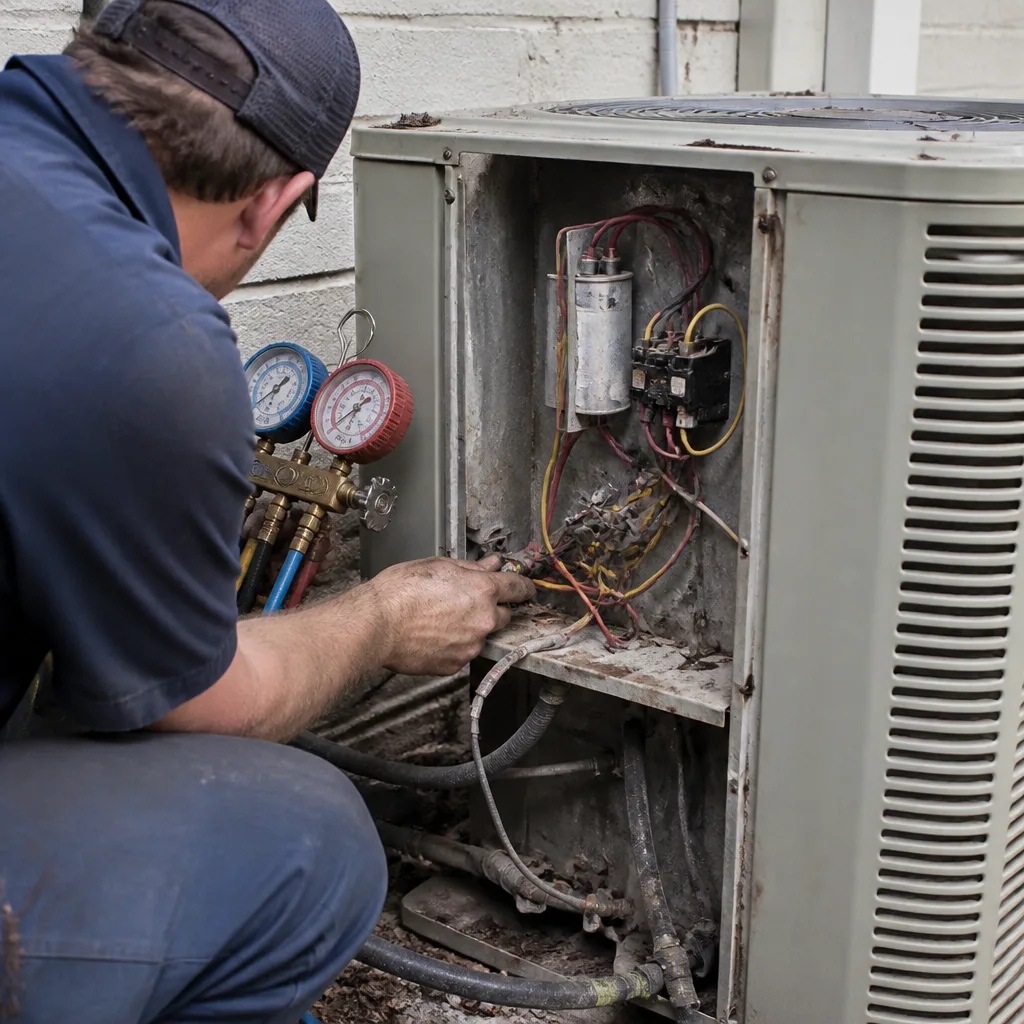 Before
 After
After Before
 After
After Before
 After
After