
Last updated October 16, 2026
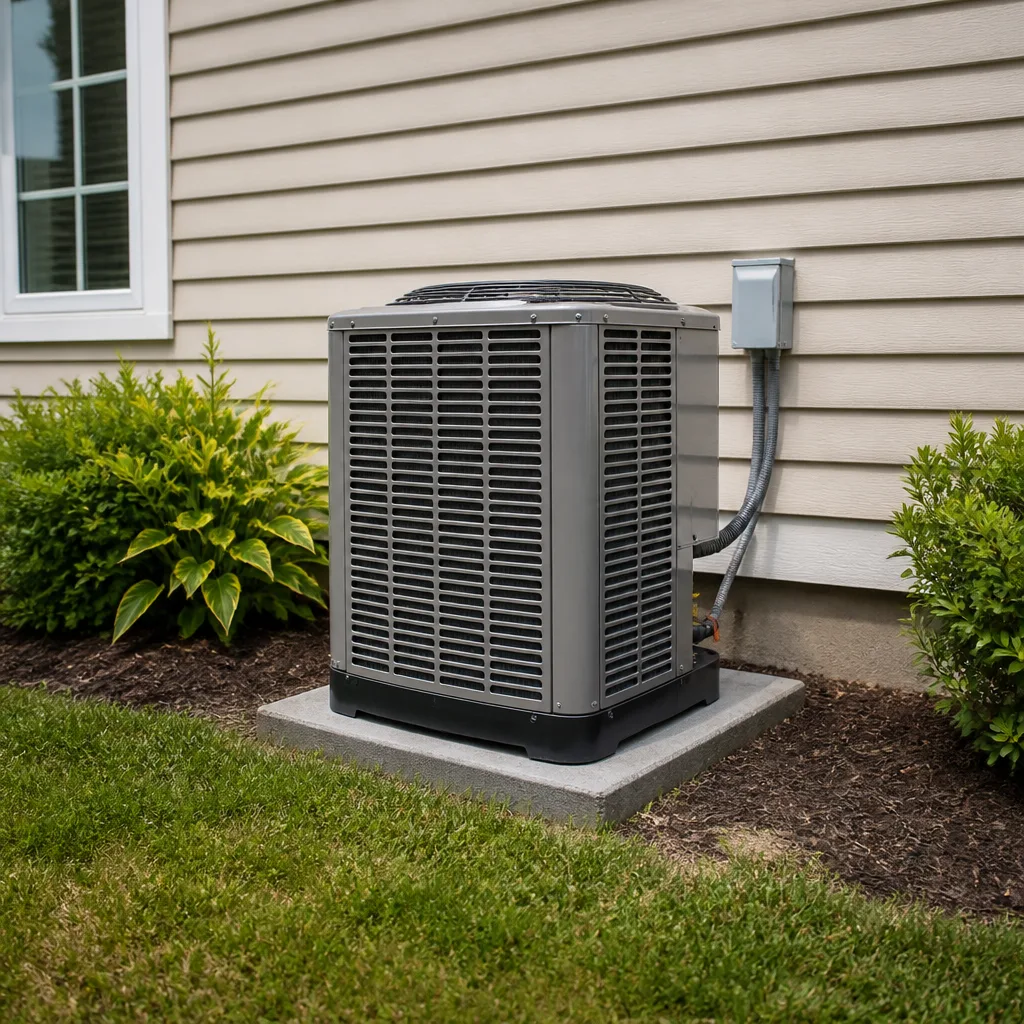 AC repair
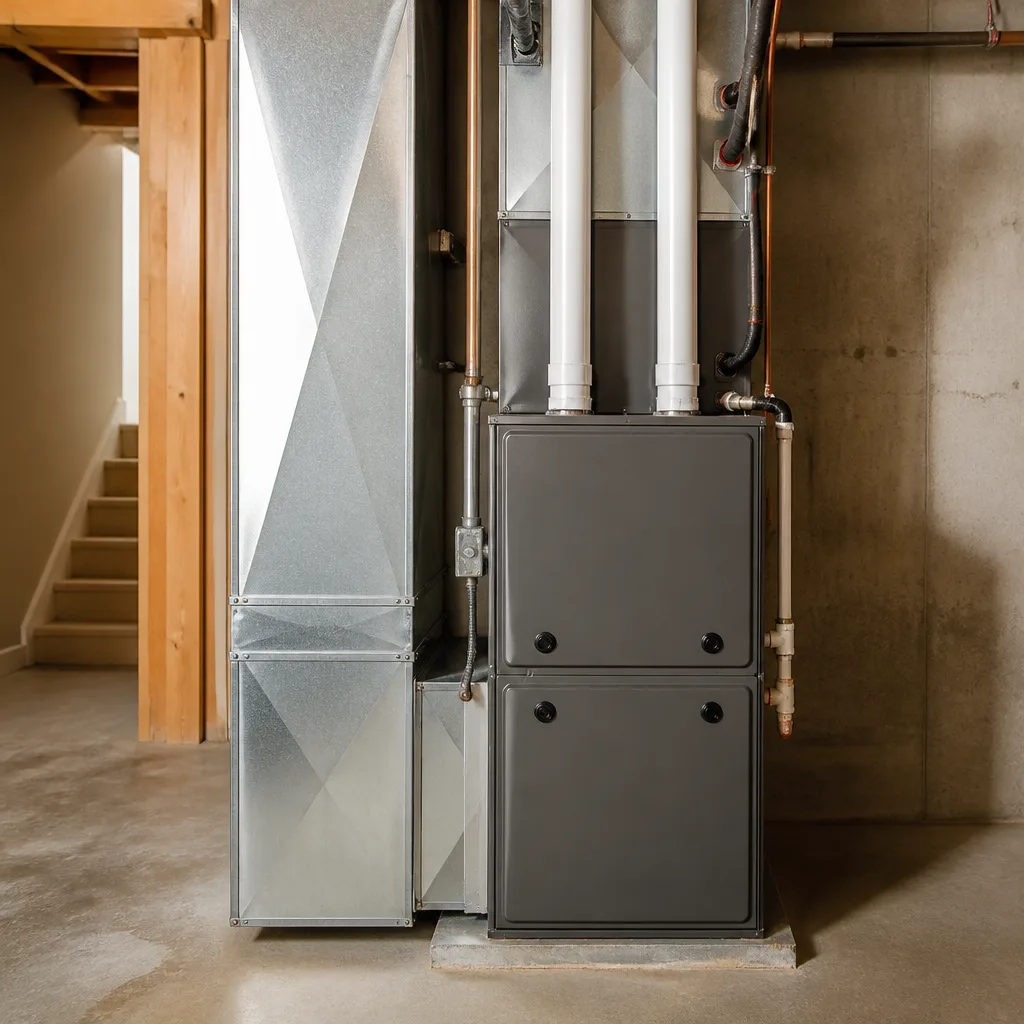 Furnace & heating
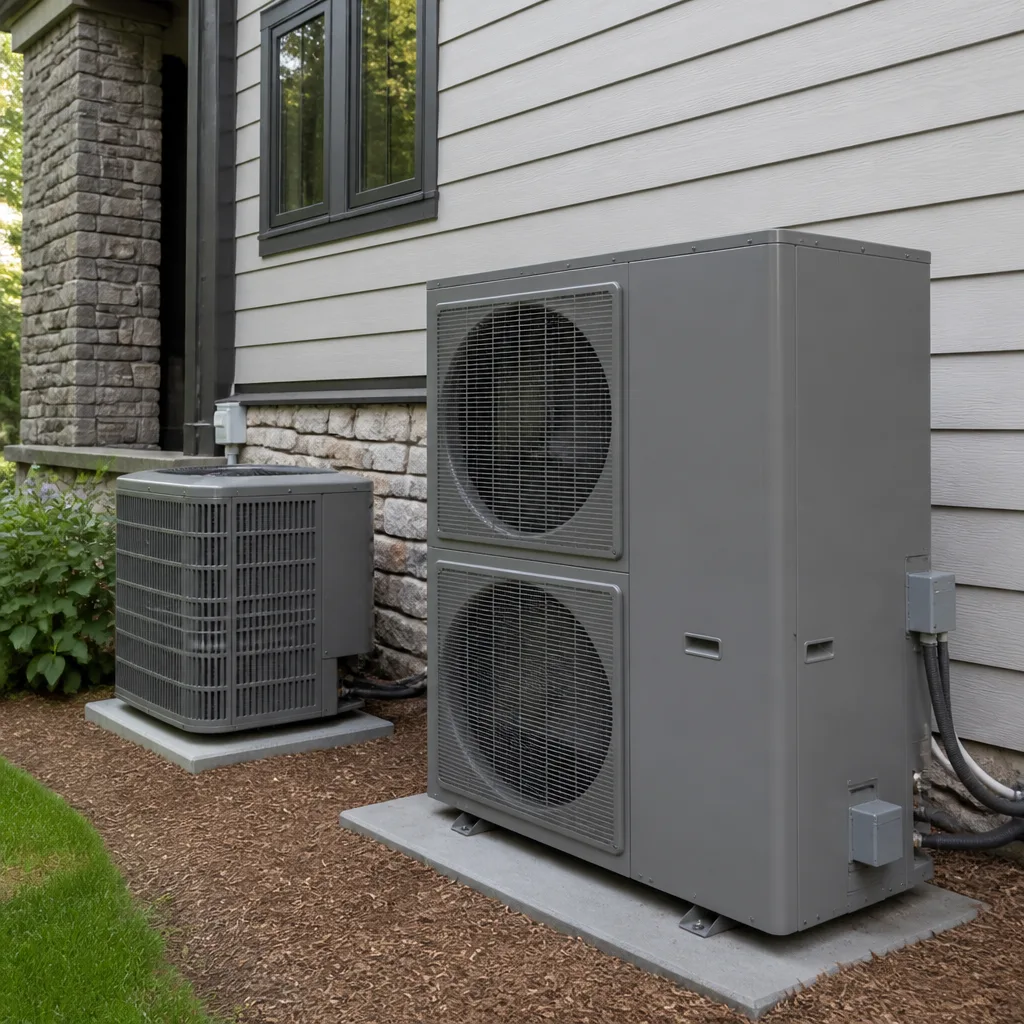 Heat pumps
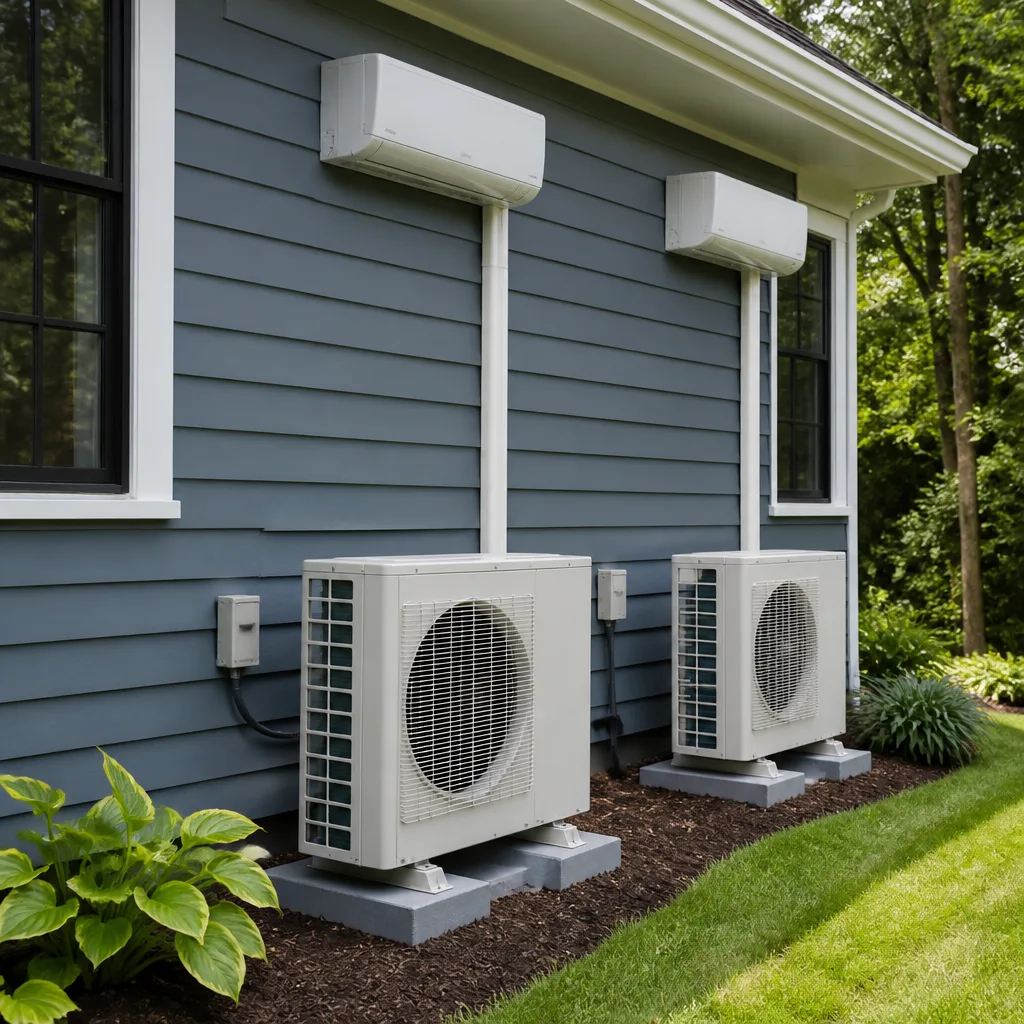 Ductless mini splits
 Carrier
 Trane
Trane Goodman
Seasonal tune-up and full diagnostic on your Carrier, Trane, or Goodman system - readings shown to you before any repair is proposed
Diagnosis first, numbers second - you approve the repair price before a single part goes in.
Get your free estimateHVAC Permits, Codes & Inspections in GA: What You Need to Know
An unpermitted HVAC replacement in Fulton County can legally require a full tear-out and reinstall when you sell, a $6,000 to $12,000 problem that appears without warning on a pre-closing inspection report. This guide walks through exactly which HVAC jobs require a permit in Georgia and Fulton County, what changed with the state’s adoption of the 2021 International Mechanical Code, how to check permits on any Sandy Springs address before you buy or sell, and who is legally on the hook when a contractor skips the paperwork. For seasonal HVAC care in Sandy Springs, see our year-round homeowner’s guide. By the end, you will know how to protect a home purchase, a remodel, and a future sale from the most expensive paperwork mistake in residential HVAC.
Quick Answer
In Georgia, most HVAC replacements, new installations, and ductwork modifications require a mechanical permit issued by the city or county where the property sits. In Fulton County and Sandy Springs, that means a permit pulled before work begins, an inspection after the work is done, and a final approval on record. Skipping the permit does not make the work legal; it makes the work uninsurable, undisclosable at resale, and subject to a required correction before closing.
Styles & brands we work with
Table of Contents
- Which HVAC Jobs Require a Permit in Fulton County
- Which HVAC Jobs Are Exempt From Permits
- How to Look Up Permits on a Sandy Springs Address
- What Georgia’s Adoption of the 2021 International Mechanical Code Changed
- Who Pulls the Permit: The Contractor’s Legal Duty vs. the Homeowner’s Liability
- Failed Inspections: Timeline, Re-inspection Fees, and Who Pays
- Unpermitted HVAC Work, Insurance Claims, and Title Issues
- What HVAC Permits Cost in Fulton County and Sandy Springs
Which HVAC Jobs Require a Permit in Fulton County
A mechanical permit in Fulton County is required any time you install, replace, relocate, or materially alter a heating or cooling system. That includes a full HVAC system change-out, a new furnace or air handler, a new condenser unit, and new ductwork runs. The permit is not a suggestion. It is the legal instrument that lets the county inspect the work, confirm the gas line, electrical connection, and combustion venting are safe, and record the installation for future owners.
In our experience across Sandy Springs, the threshold question most homeowners ask-often after reading our HVAC Warning Signs: A Sandy Springs Homeowner’s Reference Guide-is whether a simple swap-out of an existing unit counts as a repair or a replacement. The answer depends on scope. Replacing a failed capacitor, a contactor, a blower motor, or a thermostat on an existing system is a repair. It does not require a permit. Replacing the condenser, the air handler, the furnace, or the entire system is an installation. That requires a Fulton County mechanical permit, even when the new equipment goes in the same location as the old equipment.
The county also requires a permit for work that goes beyond a one-for-one equipment swap. Adding a new return air drop in a finished basement, running a new supply trunk to a room addition, installing a dedicated ductless mini-split system, or converting an electric furnace to gas all trigger the permit requirement. The rule of thumb: if the work changes the system’s capacity, fuel type, duct layout, or equipment location, assume a permit is required until the paperwork confirms otherwise.
Specific thresholds that trigger a permit in Fulton County:
- Any new or replacement heating or cooling equipment with a rated capacity of 15,000 BTU or greater needs a mechanical permit
- Any refrigerant system containing more than 20 pounds of refrigerant requires a permit and a certified technician holding an EPA 608 credential
- Any new ductwork installed outside the existing conditioned envelope, or any duct modification greater than 10 linear feet, requires a permit and an inspection
- Any gas-fired appliance (furnace, boiler, gas-pack unit) requires a permit, a gas-line pressure test, and a combustion-air verification as part of the inspection
- Any electrical circuit added or modified to serve HVAC equipment requires a separate electrical permit in Fulton County, pulled in coordination with the mechanical permit
These thresholds matter because they are where unpermitted work gets caught. A homeowner who paid cash for a furnace swap in Dunwoody or Sandy Springs may not care about the permit until the day the house goes under contract. At that point, the absence of a permit is a title defect, not a technicality.
Which HVAC Jobs Are Exempt From Permits
Georgia code and Fulton County amendments both carve out specific HVAC work that can be done without pulling a permit. These exemptions exist for routine service and minor component replacement, not for system-level changes. Knowing what is exempt keeps you from paying for a permit you do not need, and it keeps you from believing a contractor who tells you a full system replacement is exempt because it happened to fit on the same pad.
The Fulton County exemptions for HVAC work cover repairs and part replacements that do not alter the system’s design, capacity, or fuel type. Replacing a contactor, capacitor, thermocouple, igniter, flame sensor, pressure switch, blower motor, condenser fan motor, control board, or transformer is exempt. So is a refrigerant leak repair, provided the system was legally installed and permitted at the time of installation, and provided the repair does not require opening the refrigerant circuit beyond the service valves.
Duct sealing, insulation wrap, and minor duct repair of runs under 10 linear feet are exempt. Replacing a thermostat with a like-for-like model is exempt. Replacing a condensate pump, a drain line, or a float switch is exempt. Filter replacement, coil cleaning, and seasonal maintenance are exempt by definition, since no equipment is being installed, altered, or removed. For a complete list of what to check, see our AC Repair Maintenance Checklist for Sandy Springs Homeowners.
The exemption that causes the most confusion in Sandy Springs is the condenser coil replacement. Homeowners often assume a coil swap is a repair because the cabinet stays put. Legally, replacing the condenser coil means opening the sealed refrigerant system, recovering the charge, brazing new connections, pressure-testing, and recharging. Under the 2021 IMC as adopted by Georgia, that is a repair only when it is beyond the service valve and does not require the unit to be re-piped. A full coil replacement typically is not exempt. We recommend asking the contractor to pull the permit and let the inspector make the call. In Fulton County, when a contractor files the mechanical permit and the inspector determines the work was exempt after the fact, the permit fee is returned. The opposite never happens.
How to Look Up Permits on a Sandy Springs Address
Sandy Springs is a city within Fulton County. It issues its own building and mechanical permits through the city’s Community Development Department, but the permit records are searchable through the same county-wide portal used across Fulton County. That portal is public, free, and searchable by address. It lists open permits, issued permits, inspection results, and final approvals. A homeowner can check the permit history on any Sandy Springs address in under five minutes without making a phone call.
Steps to check HVAC permits on any Sandy Springs property:
- Open the Fulton County online permit portal and select “Sandy Springs” as the jurisdiction
- Enter the street number and street name only, leave off the street suffix, and run the search
- Look for any permit line item with a description containing “mechanical,” “HVAC,” “furnace,” “air conditioning,” “condenser,” or “duct”
- Open each permit record and note the status: issued, in progress, passed, failed, or finaled
- Note the inspection dates and the inspector’s comments for any failed or partial entries
- Confirm that any HVAC equipment currently on the property matches the equipment listed in the finaled permit
The value of this lookup is highest in two situations. First, when you are buying a home in Sandy Springs, check the permit history before closing, not after. An HVAC system that was replaced in 2019 with no matching permit is a disclosure problem the seller must resolve or disclose. Second, when you are selling, run the lookup yourself before the buyer’s inspector does. Finding an unpermitted HVAC swap before the pre-closing inspection gives you time to pull an after-the-fact permit, bring the installation into compliance, and close on schedule. Finding it during the inspection gives you days, not weeks, to fix the problem or negotiate the price down.
We tell every customer in Sandy Springs the same thing: the permit record is part of the house. It follows the address, not the owner. A missing permit from a system installed two owners ago is still a problem for the current owner at resale.
What Georgia’s Adoption of the 2021 International Mechanical Code Changed
Georgia adopted the 2021 International Mechanical Code as the baseline mechanical code for the state, with amendments set by the Georgia Department of Community Affairs and enforced locally by county and city code offices. The 2021 IMC changed three things that directly affect HVAC work in Fulton County and Sandy Springs: duct sealing requirements, refrigerant handling rules, and equipment clearance standards.
On duct sealing, the 2021 IMC tightened the allowable leakage rate on new and replaced duct systems. Under the updated code, ductwork must be sealed with mastic or UL-listed tape, not cloth duct tape, and the leakage must be verified. In practical terms, this ended the practice of slap-together flex-duct installs that pass an eyeball inspection. The inspector is now looking for properly sealed joints, supported runs every four feet, and a measurable drop in leakage on systems over 15,000 BTU.
On refrigerant handling, the Georgia adoption of the 2021 IMC followed the EPA’s enforcement posture under the American Innovation and Manufacturing Act. Any technician opening a sealed refrigerant system must hold an active EPA Section 608 certification, and the code now requires the technician to record the recovered charge, the lubrication added, and the final charge by weight on the permit record. Homeowners in Sandy Springs should confirm the contractor’s EPA 608 card before any coil replacement, line-set repair, or system change-out. A technician without the card cannot legally pull the mechanical permit for that work in Fulton County.
On equipment clearances, the 2021 IMC set specific minimums for condenser placement: 30 inches of service clearance on the control panel side, 12 inches on the other three sides, and 48 inches of unobstructed airflow above the unit. In close-lot Sandy Springs neighborhoods like Riverside, Mount Vernon Woods, and the Huntcliff area, these clearances routinely fail on older homes where the condenser was shoehorned beside the house. A permitted replacement that cannot meet the clearance requirement may need to move, which changes the line set routing, the pad, and sometimes the electrical disconnect location. That is exactly the kind of thing a permit inspection catches before the equipment is buried in landscaping.
Who Pulls the Permit: The Contractor’s Legal Duty vs. the Homeowner’s Liability
Georgia code places the legal duty to obtain a mechanical permit on the person performing the work. When you hire a licensed HVAC contractor in Fulton County, the contractor is required by state law to pull the permit in the contractor’s name, display the permit number on the work vehicle, and schedule the required inspection. A contractor who tells a homeowner, “You don’t need a permit for this,” is either wrong or hoping to avoid the inspection fee and the inspector’s eye. Neither reason protects the homeowner.
Here is the part most homeowners do not understand until it is too late: the homeowner is legally liable for unpermitted work regardless of what the contractor said or did not say. The permit is attached to the property, not to the contractor. When the house is sold, the seller must disclose whether all work requiring a permit was permitted. If unpermitted HVAC work is found after closing, the new owner’s claim is against the seller. The seller’s claim is against the contractor, but the contractor may be gone, out of business, or unwilling to respond. The seller is the one who has to cure the permit problem to close.
In our experience in Sandy Springs, the most common scenario is a homeowner who hires a two-person crew off a neighborhood social media group. The crew installs a new system in a day, takes cash, and leaves. No permit. Three years later, the house goes under contract, the buyer’s inspector pulls the permit record and finds no mechanical permit for the system. The seller now has to pull an after-the-fact permit, pay a penalty, and have the system inspected. If it does not pass, the seller is paying to correct the installation under a closing deadline. That is a $2,000 to $5,000 problem on the low end, and a full tear-out on the high end.
The practical rule: never pay a contractor for HVAC installation work until the permit number is in your hand and verifiable on the Fulton County portal. A legitimate contractor has no problem showing you the permit before starting. At Dalton Heating & Air Sandy Springs, our technicians pull the mechanical permit before the equipment arrives. The permit number is on the paperwork, and the inspection is scheduled the same week the install is finished. That is the standard, not the exception.
Failed Inspections: Timeline, Re-inspection Fees, and Who Pays
A failed mechanical inspection in Fulton County stops the job until the deficiencies are corrected and a re-inspection is scheduled. The re-inspection fee is typically half the original permit fee, and someone has to cover it. Whether that is the contractor or the homeowner depends on the contract language, the reason for the failure, and the contractor’s willingness to stand behind the work.
The most common mechanical inspection failures we see on Sandy Springs permit records are gas-line pressure-test failures, undersized combustion-air openings, unsealed duct joints, missing sediment traps on gas furnaces, improper condensate drainage, and equipment clearances that do not meet the 2021 IMC minimums. A gas-line failure means the installer’s pressure test dropped below the required 15 psi for 15 minutes. The inspector will not pass the furnace until the line holds. A combustion-air failure means the furnace room does not have enough air to burn safely, which is a carbon-monoxide risk, not a paperwork problem.
The timeline works like this. The contractor installs the equipment and calls for inspection. Fulton County schedules mechanical inspections within one to two business days in most cases. The inspector arrives, checks the work, and leaves a pass or a correction notice. If the work fails, the contractor fixes the deficiency and calls for a re-inspection, which typically happens within two to four business days. That adds about a week to a job that should have been finaled in one or two days.
Who pays the re-inspection fee depends on the contract. A time-and-materials contract leaves the re-inspection fee with the homeowner unless the failure was clearly the contractor’s error. A fixed-price contract with a competent contractor should put the re-inspection fee on the contractor, since the contractor quoted a complete installation. Our installation agreements include the inspection and the first re-inspection at no charge, because the job is not done until the county says it is done. The Garrison Standard we operate under includes “do the job by the book” as a condition of every job, and the book includes a passing inspection.
Unpermitted HVAC Work, Insurance Claims, and Title Issues
Unpermitted HVAC work in Georgia affects three things most homeowners never connect to a permit: homeowner’s insurance coverage, mortgage underwriting, and clean title at resale. The connection is simple once you see it, and expensive if you do not.
On insurance, a homeowner’s policy covers sudden and accidental loss, including damage from a failed HVAC system. But when an adjuster investigates a claim, one of the first things they check is whether the failed system was legally installed. An unpermitted furnace that was not inspected is treated as an undisclosed, uninsurable modification. If the unpermitted furnace causes a fire, a gas leak, a carbon-monoxide event, or water damage from a failed condensate line, the carrier can deny the claim on the grounds that the system was not installed to code. We have seen this in Sandy Springs with furnaces installed by cash crews. The homeowner paid less upfront and then paid the full cost of the damage out of pocket when the claim was denied.
On mortgage underwriting, lenders in Georgia typically require a clean permit record on any major mechanical system before they will loan against the house. An appraiser may not flag an unpermitted furnace, but the underwriter’s file review can. When it does, the loan stalls until the seller pulls an after-the-fact permit, passes an inspection, and provides the finaled permit record. That can take two weeks or more, and it kills deals every month in Fulton County.
On title, an unpermitted HVAC system is a cloud on the title, not because the county has a lien, but because the seller’s disclosure form requires affirmative answers about permitted work. A seller who signs a disclosure showing no unpermitted work when the permit portal shows otherwise has committed disclosure fraud. In Georgia, that gives the buyer a damages claim after closing. It is not the kind of problem that resolves itself. The fix is always the same: pull the after-the-fact permit, make the system code-compliant, pass the inspection, and file the final. That is a $1,500 to $4,500 fix on most Sandy Springs homes, and a lot more if the original work was done badly enough that it cannot pass inspection at all.
For homeowners who want to stay ahead of this, use the permit lookup process in this guide once a year, or at minimum before listing the house. The day you find an unpermitted system is the day you still have time to fix it on your schedule and your budget. The day the buyer’s inspector finds it, you do not have either.
What HVAC Permits Cost in Fulton County and Sandy Springs
Fulton County mechanical permit fees are calculated on the valuation of the work. For a typical residential furnace or AC replacement, the mechanical permit fee runs $90 to $180 depending on the declared equipment and labor value. A full system change-out with ductwork modification typically runs $150 to $275 for the mechanical permit, plus a separate electrical permit of $60 to $120 if the electrical service to the equipment is changed. Sandy Springs adds a small administrative surcharge, so expect to pay at the high end of those ranges inside the city limits.
These numbers are the permit fees only. They do not include the cost of bringing an unpermitted installation into compliance. If the after-the-fact inspection reveals that a previously installed system needs a new gas line, a relocated condenser, or a sealed duct run, the correction costs go on top of the permit fee. On a typical Sandy Springs single-family home, a straightforward after-the-fact permit with minor corrections runs $1,500 to $3,000. A full tear-out and reinstall with new ductwork runs $6,000 to $12,000, which matches the figure in the opening of this guide.
The fee structure is also where the low bidder math falls apart. A contractor who quotes $500 less than a competitor and then skips the permit is not saving you $500. They are deferring a $150 to $275 permit fee and a code-mandated inspection into a $2,000 to $12,000 closing problem. When you compare quotes in Sandy Springs, ask each contractor to line-item the permit fee. If the answer is, “Permits are not required for this job,” get it in writing, and then verify it on the Fulton County portal yourself. If the answer is that the permit is “included,” ask for the permit number before you pay anything.
At Dalton Heating & Air Sandy Springs, our written quotes line-item the permit fee, and the permit number goes on the work order before the install crew arrives. There is no version of our work where the permit question is left to chance, because the permit is not a line item to us. It is the difference between a job that is finished and a job that is done. If you want to run your own permit lookup on any address in Sandy Springs, call Dalton Heating & Air Sandy Springs home at (478) 400-5908 and we will walk you through it.
Common Mistakes to Avoid
- Paying cash for a full system replacement without seeing a permit number. The contractor saves the permit fee, and the homeowner inherits a title defect at resale. In Fulton County, the permit record is permanent, searchable, and attached to the property address.
- Assuming a “swap-out” does not need a permit. Replacing the condenser or furnace in the same location is still a replacement, not a repair. The 15,000 BTU threshold captures nearly every residential system in Sandy Springs.
- Taking the contractor’s word instead of checking the Fulton County portal. The portal search takes five minutes and ends the debate with a factual record. No permit listed, no permit pulled.
- Waiting until the pre-closing inspection to discover the missing permit. By the time the buyer’s inspector finds it, the seller has days to fix a process that takes weeks. Run the permit lookup before listing the house.
- Paying for unpermitted work and then filing an insurance claim. An unpermitted furnace that fails and causes damage is grounds for a claim denial. The insurance company will check the permit record before writing the check.
- Hiring a contractor without an EPA 608 card for refrigerant work. Georgia’s adoption of the 2021 IMC requires certified technicians for any work that opens the sealed refrigerant system. A contractor without the card cannot legally pull the mechanical permit.
- Not committing a permit requirement to the written contract. If the contract does not state who pulls the permit, who pays the fee, and who handles re-inspection fees, you are negotiating that question after a failed inspection instead of before the job starts.
See the difference
 Before
 After
After Before
 After
After Before
 After
AfterWhen to Call a Professional
Call a licensed HVAC contractor before you sign a purchase contract on a Sandy Springs home with a recently replaced system and a thin permit history. Call before you list a home where the HVAC was replaced during your ownership. Call before you accept a cash quote for a full system replacement that does not include a line-itemed permit fee. And call after a failed inspection, so a licensed contractor can correct the deficiencies and see the re-inspection through. A permit is paperwork, but the inspection behind it verifies the gas line, the venting, the refrigerant charge, and the clearances, and that is safety work, not clerical work. For more guides & resources on protecting your Sandy Springs home, visit our blog. Dalton Heating & Air Sandy Springs offers free estimates in Sandy Springs, call (478) 400-5908.
Frequently Asked Questions
Yes, replacing a furnace, air conditioner, heat pump, or full HVAC system in Georgia requires a mechanical permit from the city or county where the property is located, including Fulton County and Sandy Springs. The permit must be pulled before the work starts and the installation must pass a code inspection before the job is legally complete. Call (478) 400-5908 and we can confirm whether your specific equipment swap qualifies as a permit-required replacement or a permit-exempt repair.
Search the Fulton County online permit portal by street address and select “Sandy Springs” as the jurisdiction, then open any mechanical permit records and note the status, inspection dates, and final approval. The search is free, public, and shows both open and finaled permits for the property address. We walk customers through this lookup all the time at Dalton Heating & Air Sandy Springs, call (478) 400-5908 if you need help reading the permit history.
The contractor is legally responsible for pulling the permit, but the homeowner remains liable for the unpermitted work, because the permit status follows the property through resale. The seller must disclose unpermitted work at closing, and unresolved permit problems can block insurance claims, mortgage underwriting, and the sale itself. If you are in this situation on a Sandy Springs home, call (478) 400-5908 and we can help you understand the after-the-fact permit process and what it will cost.
A typical residential mechanical permit for a furnace or AC replacement in Fulton County runs $90 to $180, a full system change-out with ductwork can run $150 to $275, and an electrical permit adds $60 to $120 when the electrical service changes. Sandy Springs adds a small administrative surcharge, so expect the high end of those ranges inside city limits. These are permit fees only, not the cost of correcting an installation that fails inspection.
You can list the house, but the seller’s disclosure form requires you to answer questions about permitted work accurately, and a buyer’s inspector can find the missing permit through the Fulton County portal. Most transactions require the seller to pull an after-the-fact permit and pass an inspection before closing, which costs $1,500 to $4,500 in typical cases and much more if the original work fails inspection. If you are selling a Sandy Springs home and need an after-the-fact permit or a system brought up to code, call (478) 400-5908 for a free estimate.
Georgia’s adoption of the 2021 IMC tightened duct sealing and leakage requirements, mandated EPA Section 608 certification for any technician opening a refrigerant system, and set specific minimum clearances for outdoor condenser placement. Any permitted HVAC work in Fulton County and Sandy Springs is now inspected against these standards, which is why older installations often fail a modern after-the-fact inspection. If you need a permitted replacement that meets current code, we can help at AC Repair in Sandy Springs, call (478) 400-5908.
The Bottom Line
In Georgia, HVAC permits are not optional paperwork. They are the legal record that the system on your Sandy Springs property was installed safely, inspected by the county, and approved under the 2021 International Mechanical Code. The permit requirement applies to most replacements and installations, the homeowner carries the liability when a contractor skips the permit, and the unpermitted system surfaces at the worst possible moment, at resale, as an insurance denial or a closing deadline. Check the permit record before you buy, before you sell, and before you pay a contractor for work that should have been permitted. A mechanical permit in Fulton County costs $90 to $275, which is the cheapest insurance policy you will ever buy on your house. Whether you need a permitted system install, an after-the-fact permit, or a repair that keeps your current system running while you sort out the paperwork, our crews handle Heat Pump Installation in Sandy Springs and Furnace Repair in Sandy Springs with the permit already in hand. Call Dalton Heating & Air Sandy Springs at (478) 400-5908 for a free estimate.
Written by Marco Benitez, Owner at Dalton Heating & Air Sandy Springs, serving Sandy Springs since 2003.