
Last updated October 16, 2026
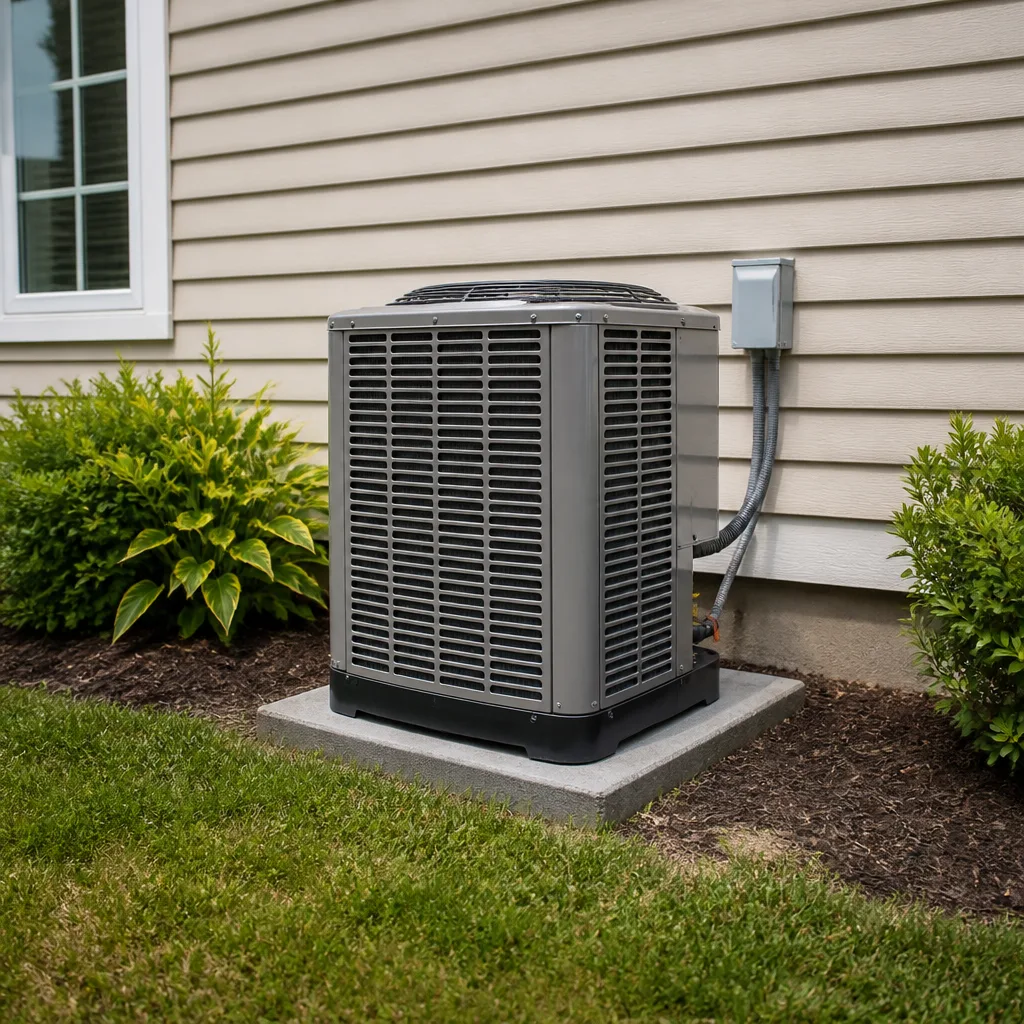 AC repair
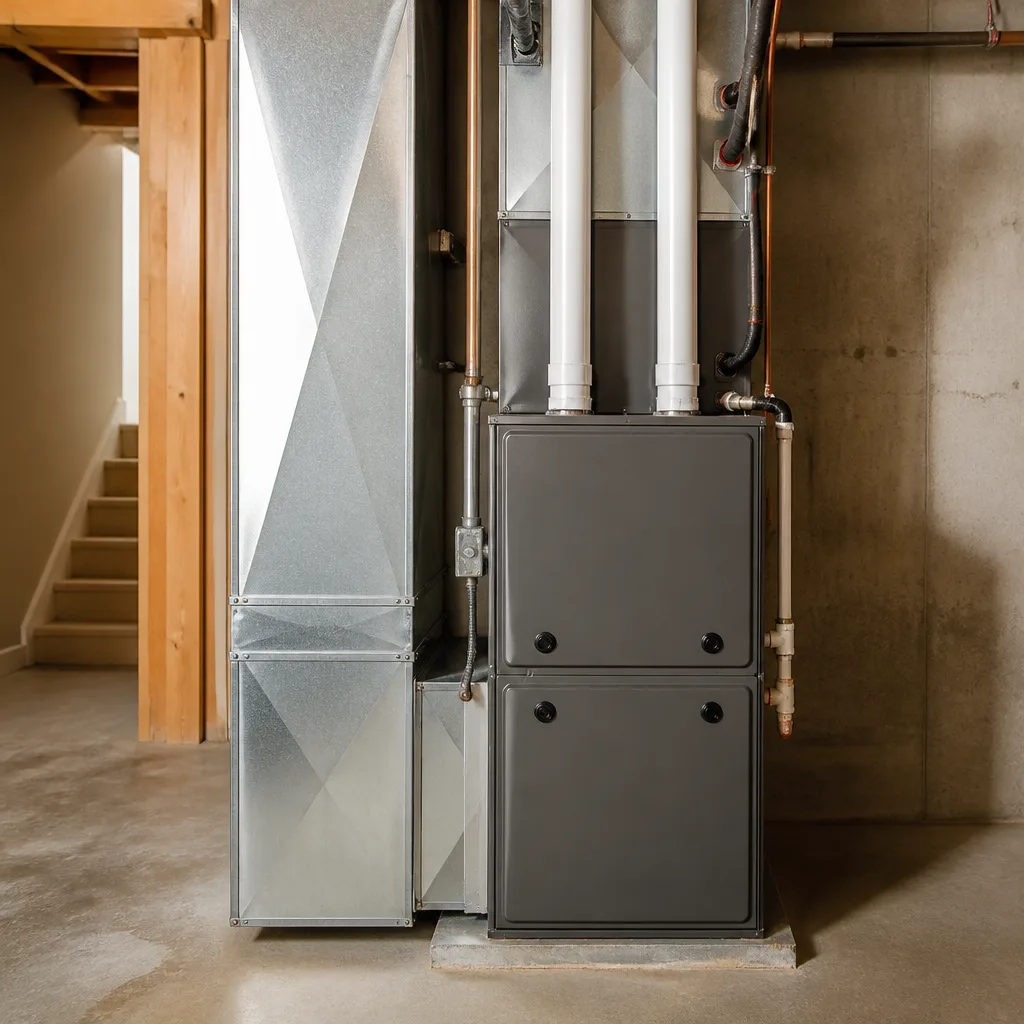 Furnace & heating
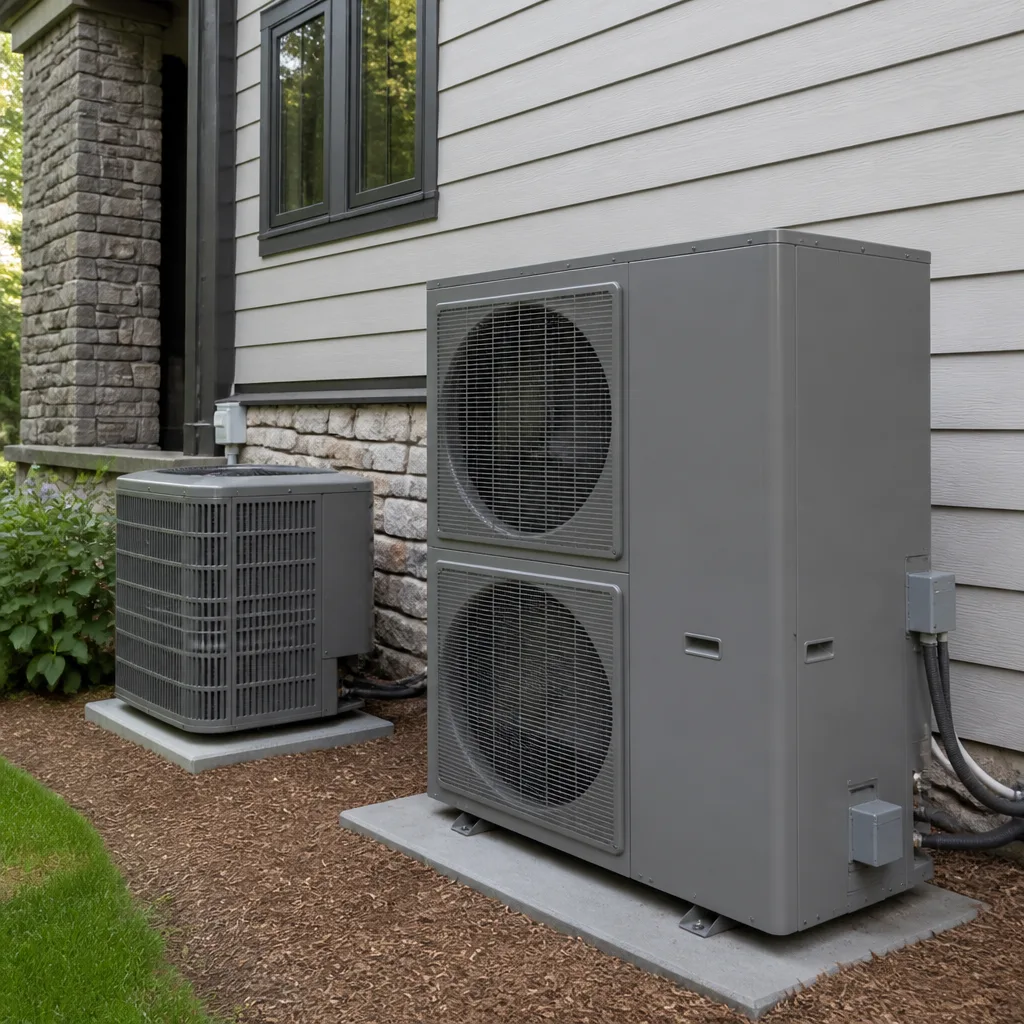 Heat pumps
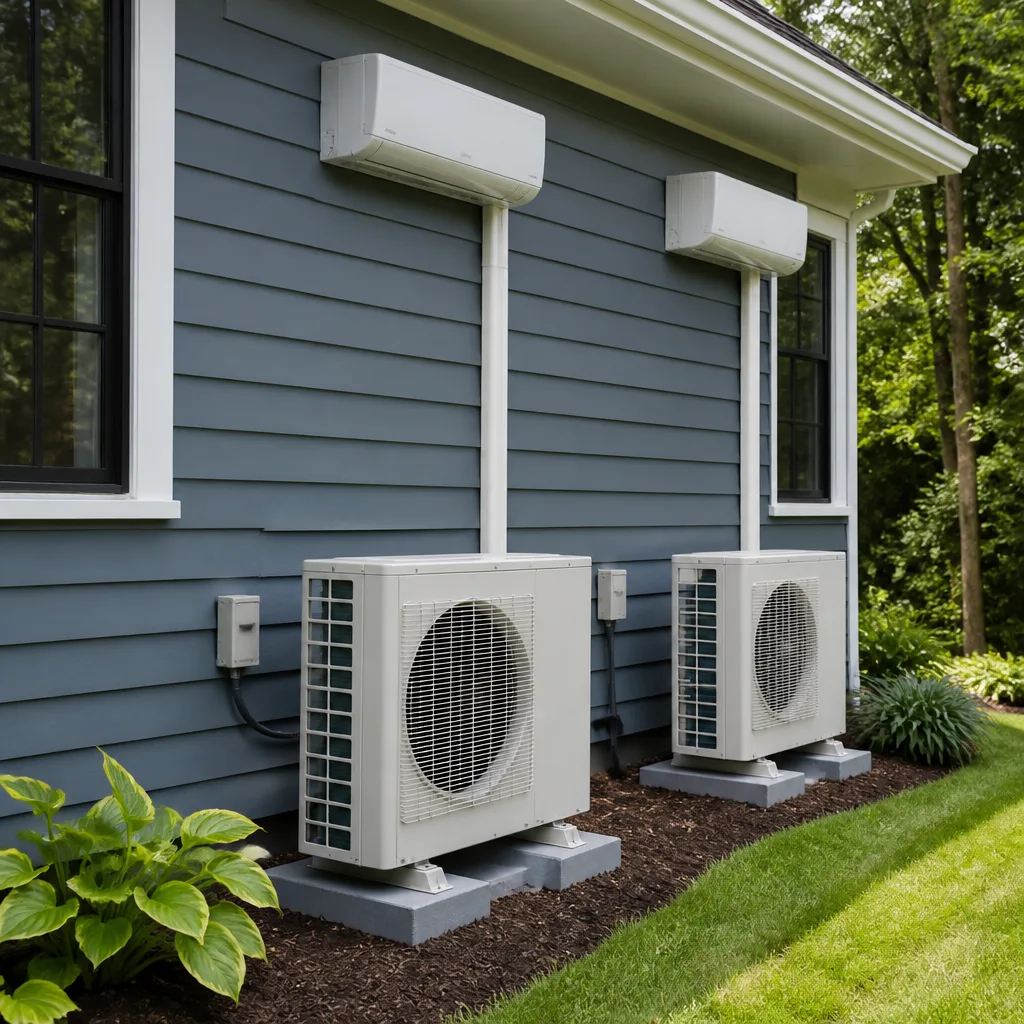 Ductless mini splits
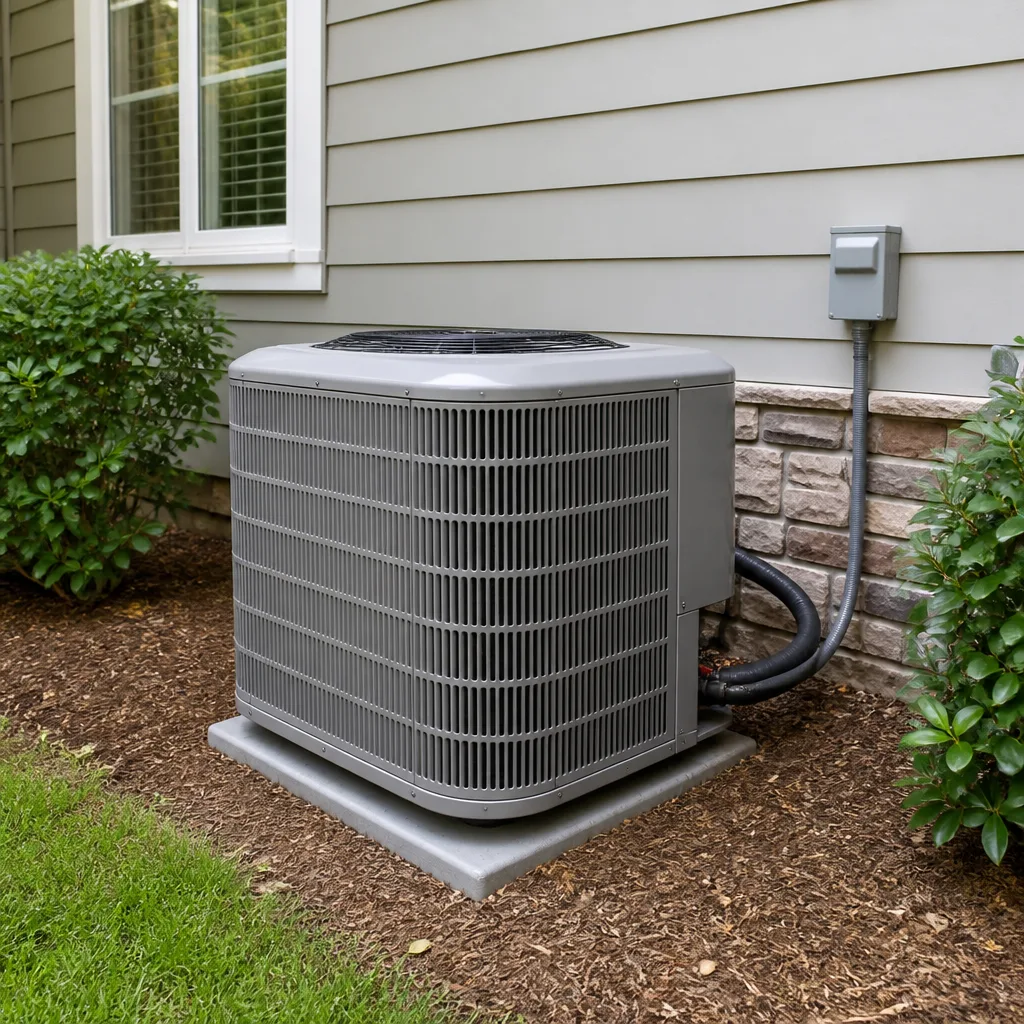 Carrier
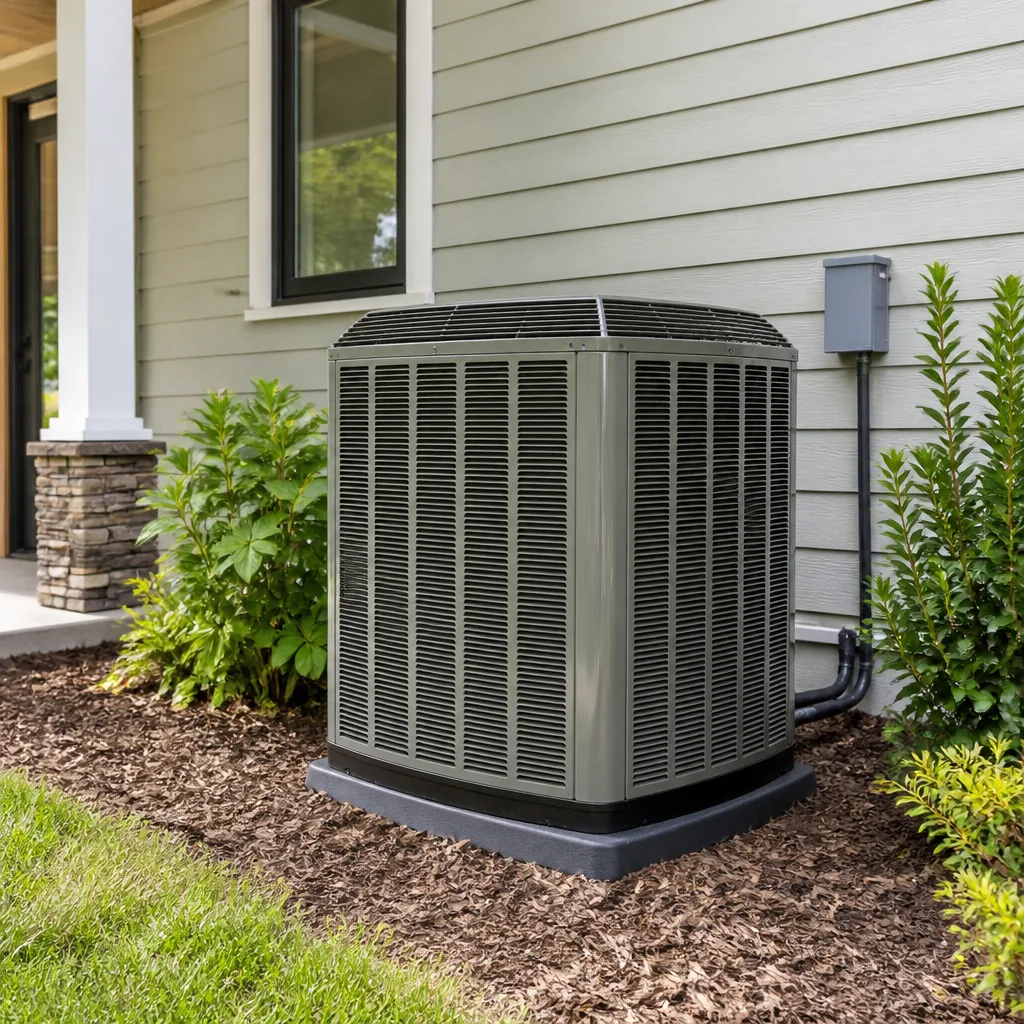 Trane
Trane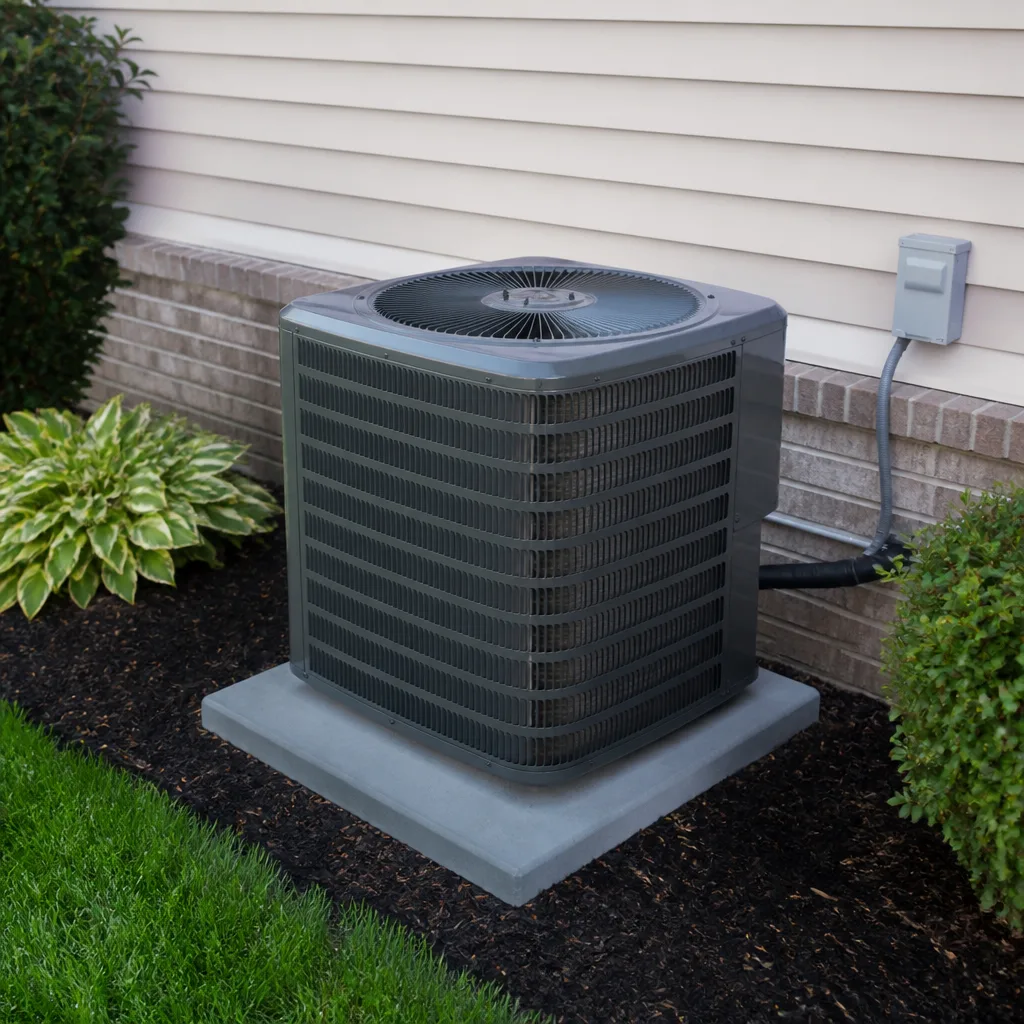 Goodman
Seasonal tune-up and full diagnostic on your Carrier, Trane, or Goodman system - readings shown to you before any repair is proposed
Diagnosis first, numbers second - you approve the repair price before a single part goes in.
Get your free estimateAC Repair Maintenance Checklist for Sandy Springs Homeowners
A clogged condensate drain line is the single most common cause of water damage calls we get in Sandy Springs every July. It takes about five minutes to clear, costs nothing if you own a wet-vac, and shows up on fewer than half of the maintenance invoices we review from other companies. This guide walks through what you can handle yourself, what genuinely requires a licensed tech, and what that tech should put in writing before they leave your driveway. For a deeper look at local options, see our DIY vs Professional HVAC: The Sandy Springs Homeowner’s Decision Guide. You will finish with a working checklist for Sandy Springs’ actual climate: pollen season, humidity spikes, and the late-summer weeks when every AC in the city runs at once.
Styles & brands we work with
Quick Answer
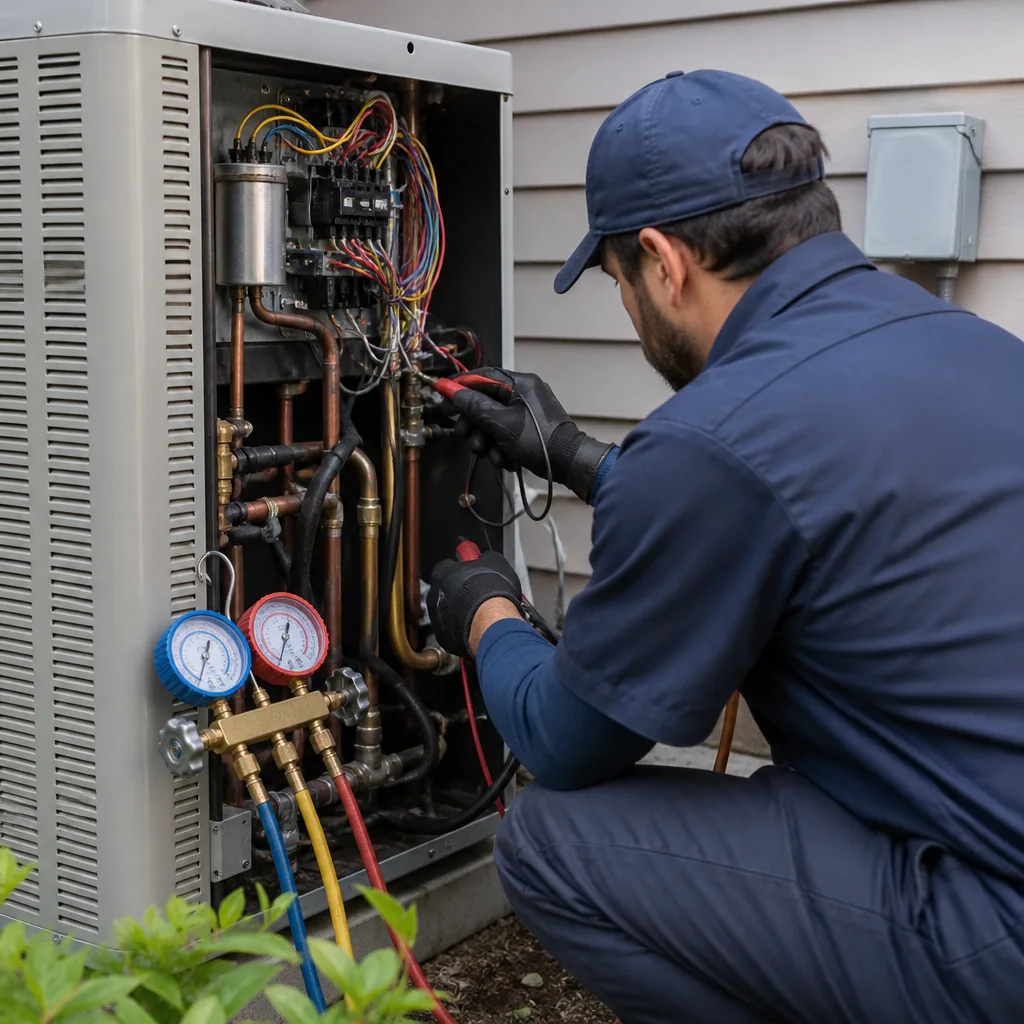
Your AC maintenance checklist for a Sandy Springs home should cover four jobs you can do yourself each month: check the filter, clear the condensate drain, inspect the outdoor unit for debris, and listen for unusual noise. Twice a year, a licensed technician should measure refrigerant levels in psig, record the delta-T temperature split, verify static pressure, and hand you a written report showing those numbers. That report is the difference between a real maintenance visit and a sales call dressed up as a tune-up.
Table of Contents
- The Monthly Maintenance Checklist You Can Do Yourself
- Month-by-Month Calendar for Sandy Springs Pollen and Humidity
- What MERV Rating Actually Works in Sandy Springs Air
- How to Clear a Condensate Drain with a Wet-Vac in Five Minutes
- What a Technician’s Maintenance Report Must Include to Be Worth the Fee
- Red Flags That a Tune-Up Was Skipped or Faked
- Common Mistakes to Avoid
- When to Call a Professional
- Frequently Asked Questions
- The Bottom Line
The Monthly Maintenance Checklist You Can Do Yourself
Four tasks take less than twenty minutes combined and prevent most of the AC repairs we handle in Sandy Springs. None requires tools beyond a flashlight and a wet-vac. Do these on the first Saturday of every month from April through October.
- Check the filter. Hold it up to a light. If you cannot see light through it, it is done. In Sandy Springs pollen season, a filter that is normally good for 90 days may clog in 30. A clogged filter forces the blower motor to work harder, shortens its life, and freezes the evaporator coil.
- Clear the area around the outdoor unit. Walk around the condenser and pull any leaves, grass clippings, or pine straw accumulated against the fins. Sandy Springs yards drop pollen, sweetgum balls, and pine needles through the spring, and all of it finds its way into the coil. Keep two feet of clear space on all sides.
- Check the condensate drain line. Find the PVC pipe near the indoor air handler, usually a white pipe with a small T-fitting or cap. If water is pooling around it or the cap is bubbling when the system runs, you have a clog. Clear it the same day. We cover the exact steps in the section below.
- Listen to the system. Turn it on and stand near the indoor unit for sixty seconds. You should hear the blower moving air and the compressor running outdoors. Hissing, grinding, rattling, or a thump that repeats are all early warning signs. A short loud buzz followed by a click on the outdoor unit usually means a capacitor is failing.
Some Sandy Springs homeowners in older neighborhoods like Riverside and Mount Paran report that their systems run longer and louder when pollen counts spike, even with a clean filter. That is because the outdoor coil itself has gotten coated. You can gently hose the coil off from the outside, never with a pressure washer, but if the buildup is heavy, the unit needs a coil cleaning by a tech.
Month-by-Month Calendar for Sandy Springs Pollen and Humidity
Sandy Springs does not do a simple spring and fall split. Our climate throws pollen at you from February through early May, then flips to humidity and heat from June through September. October and November bring leaf drop, and winter is short but damp. Here is the calendar that matches the city’s actual seasons, not a generic “change your filter twice a year” schedule. For a full local breakdown, read The Complete Guide to HVAC in Sandy Springs.
- March through May: Check the filter every two weeks. Pine pollen arrives in late March and will clog a MERV 8 filter in under three weeks. Hose off the outdoor unit every few weeks. Watch for the drain line to clog as the system begins running constantly.
- June through August: Check the drain line weekly if your unit is in a basement or crawlspace, which are common in older Sandy Springs homes. Humidity is at its worst, which means condensate volume is highest. Listen to the system at night when everything else is quiet. This is when capacitors and contactors fail, especially during afternoon thunderstorms that cause power flickers.
- September through November: Leaves drop across Dunwoody Panhandle and along the Chattahoochee corridor. Sweep up around the outdoor unit instead of blowing debris toward it. In October, schedule the professional maintenance visit so the system gets checked before heating season. This is also when you should have the burners and heat exchanger inspected on a dual-fuel or gas furnace system. See our guide on furnace repair in Sandy Springs for what that inspection includes.
- December through February: Keep the outdoor unit clear of ice and snow if you run a heat pump. Check the filter monthly even in winter. If you have a heat pump system, the reversing valve and defrost cycle need a quick visual check at least once in January.
One note that surprises people from other climates: Sandy Springs humidity does not disappear in winter. It just gets cold. A system that has been slowly leaking refrigerant through the summer will show its worst symptoms in January as a heat pump, when the unit cannot move enough heat and you feel lukewarm air at the vents instead of hot air.
What MERV Rating Actually Works in Sandy Springs Air
Filter selection is where we see the most self-inflicted damage. Homeowners buy a MERV 13 filter thinking it cleans the air better, then call us three months later because the blower motor has failed or the evaporator coil has frozen. Here is the tradeoff: higher MERV means finer filtration, but it also means more airflow resistance. Residential systems are designed around a specific static pressure. A filter that is too restrictive for the blower can drop airflow by 30% or more.
For most Sandy Springs homes, MERV 8 is the correct choice. It catches pollen, dust, and pet dander, which covers the big three allergens in our air. MERV 11 is acceptable if you have allergies that demand finer particle capture and your system is relatively new with a variable-speed blower. MERV 13 belongs in systems specifically designed for it, usually with a thicker 4-inch or 5-inch media cabinet, not the standard 1-inch slot. We service Trane, Lennox, Goodman, and Rheem systems, and the filter spec varies from one to the next. A Goodman air handler with a PSC motor will struggle with a MERV 13 where a newer Trane with a variable-speed ECM blower may handle it, but not always.
The real test is simple: after you install a new filter, put your hand over a supply vent. If airflow feels dramatically lower than before, the filter is too restrictive for your setup. Drop back one MERV rating. And check the filter during pollen season regardless of the 90-day label on the packaging. Sandy Springs pollen will win that race every time.
How to Clear a Condensate Drain with a Wet-Vac in Five Minutes
The condensate drain line carries the water your AC pulls out of the air to the outside. In Sandy Springs, where summer dew points settle in the low 70s, a three-ton system can produce five to eight gallons of condensate per day. When the line clogs with algae or debris, that water backs up and finds somewhere else to go: into the air handler pan, through the ceiling, or onto the floor. Clearing the line is a homeowner-level job, and you do not need any training to do it right.
Here is the step-by-step method we use in the field, simplified for a wet-vac:
- Locate the drain line. It is a white PVC pipe, usually 3/4 inch, coming from the indoor air handler or furnace. Look for a small vertical T-fitting with a cap on top near the unit, or find the pipe’s exit point outside, often a stub poking out of the brick or siding near the foundation.
- Shut off the system at the thermostat. You are going to have the pipe open, so you want the blower off and no air moving through the coil.
- Attach the wet-vac to the outside exit point. If you can reach the pipe outside, take the hose end of the wet-vac and hold it against the pipe opening. You can seal it with a rag wrapped around the connection, but even without a perfect seal, the vac will pull the clog out. Run the vac for 30 to 60 seconds.
- Inspect the vacuum canister or hose for the clog. If you pull out a slug of gray or green slime, that was the blockage. Dump it, rinse the canister, and run the vac again for another 30 seconds to clear any remaining debris.
- Pour a cup of white vinegar or a commercial drain line cleaner into the T-fitting near the indoor unit. This helps break down the algae that is still coating the inside of the pipe. Do this slowly, then pour a cup of warm water after it to flush the line.
- Turn the system back on and confirm water is draining. You may not see water immediately. Give it ten minutes of runtime and then check the outside pipe for a steady drip or small trickle.
If you cannot find the outside exit, or if the drain line runs into a plumbing fixture instead of outside, the job gets more complicated. You can still vac from the T-fitting inside, but if you are not comfortable, call a tech. A clogged drain line left unchecked will usually cause a ceiling stain or a pan overflow before it causes anything catastrophic, but by then you are paying for drywall repair along with the AC Repair work.
What a Technician’s Maintenance Report Must Include to Be Worth the Fee
A maintenance visit is only as good as the report the technician hands you at the end. We do not care how many points a company claims to inspect. What matters is whether the tech recorded actual numbers. Here is what a completed invoice should show, line by line.
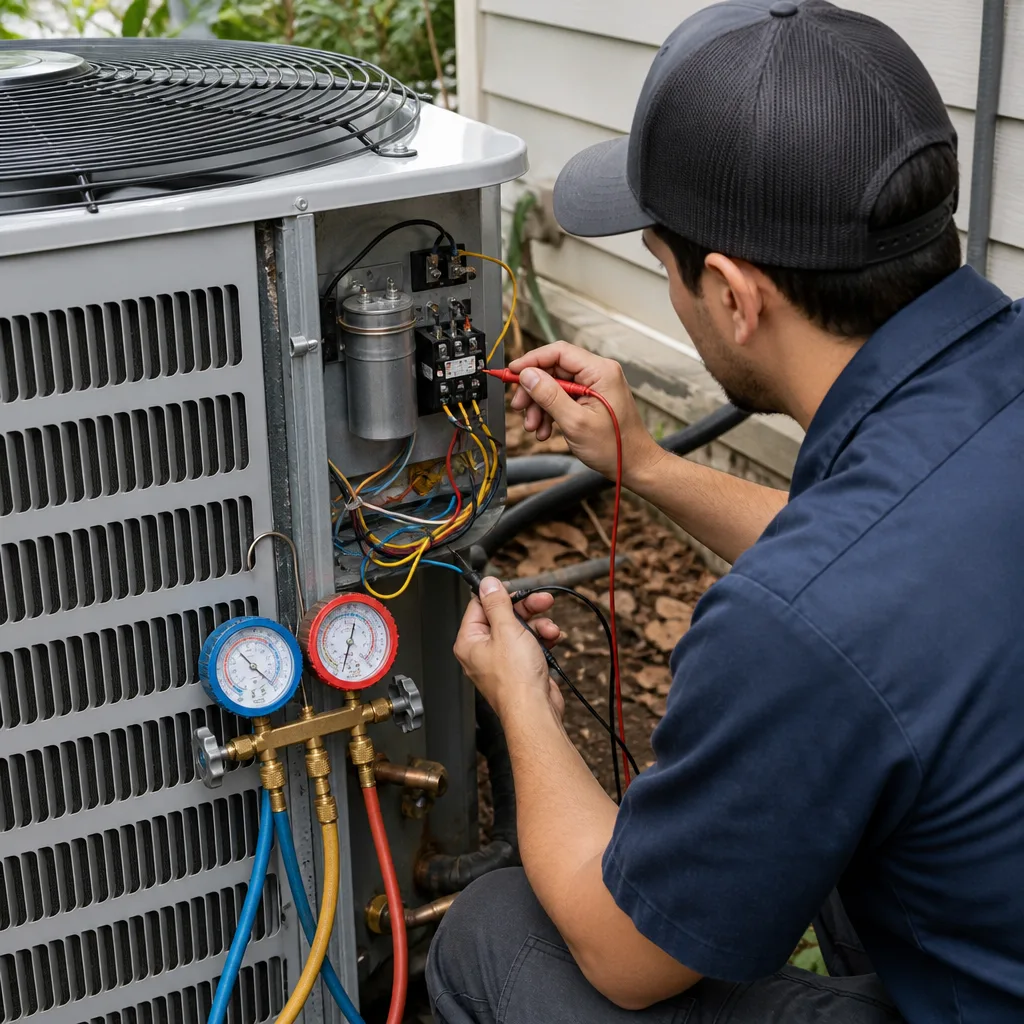
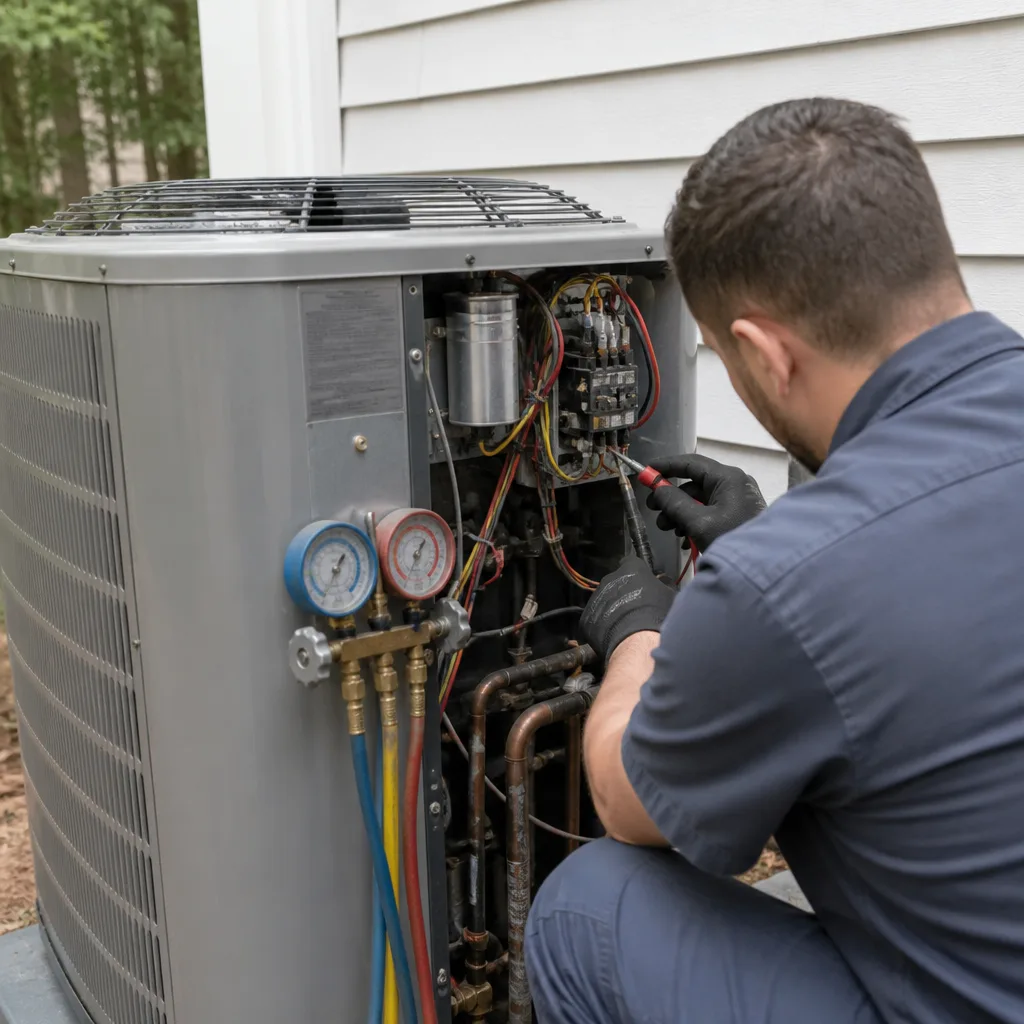
- Refrigerant levels in psig. Subcooling for a TXV system or superheat for a fixed orifice system should be recorded as a number, not a checkmark. A system that is even 10% low on refrigerant loses efficiency and will eventually freeze the coil. If the tech cannot tell you the subcooling or superheat reading, the check was not done.
- Delta-T reading. This is the temperature split between the air entering the return and the air leaving the supply register. A properly functioning AC on a warm Sandy Springs day should show a delta-T between 16 and 22 degrees Fahrenheit. A split below 15 degrees suggests a refrigerant or airflow problem. A split above 22 degrees usually means the system is low on airflow, which is a filter or duct issue.
- Static pressure. This measures the resistance to airflow through the ductwork. Total external static pressure should be at or below 0.5 inches of water column for most residential systems. Above 0.7 means the ductwork is undersized, the filter is too restrictive, or the coil is dirty, and the blower motor is working against that resistance every hour the system runs.
- Capacitor and contactor condition. The capacitor is what starts the compressor and outdoor fan. A tech should measure capacitance in microfarads and compare it to the rating printed on the capacitor. A reading more than 10% below the rating means the capacitor is failing and should be replaced before it strands you on a 95-degree day. The contactor should not show pitting or welding on the contacts.
- Condensate drain check result. The tech should state that the drain was cleared, flushed, or found flowing freely, not just check a box. If yours was clogged, the report should say what was done.
- Coil condition. A photo of the evaporator coil or a description of its condition belongs on the report. A coil that is 50% blocked is not a minor note. It is the difference between a system that cools and one that runs constantly while never reaching set temperature.
At Dalton Heating & Air Sandy Springs, every maintenance visit includes a written report with these numbers recorded. That is part of The Garrison Standard, the operating discipline we have followed since 2003. The price is in writing before we start, the findings are in writing before we leave, and the work carries a full-year written guarantee.
Red Flags That a Tune-Up Was Skipped or Faked
We have followed behind enough other companies in Sandy Springs to know what a skipped tune-up looks like. The invoice says “maintenance inspection completed” and nothing else. Here are the specific tells.
- No numbers, only checkmarks. A checkmark next to “refrigerant level” without a psig reading, a subcooling number, or a delta-T figure means the tech did not measure anything. They looked at the unit, checked the box, and moved on.
- The outdoor unit is still dirty. If the invoice says “coil cleaned” and you can still see cottonwood fuzz, pine pollen, or leaf litter packed into the fins, the coil was not cleaned. A cleaned coil looks clean. It sounds obvious, but we see this constantly in Sandy Springs neighborhoods where the tree canopy is dense.
- No drain line treatment mentioned. A condensate drain check is one of the easiest tasks to fake and one of the most important to actually do. If the report does not say the drain was flushed, cleared, or treated, assume it was not touched.
- The visit lasted twenty minutes. A real maintenance visit on a split system takes 45 to 90 minutes when done properly. Twenty minutes is enough time to change a filter and try to sell you something.
- No mention of the capacitor even when it is visibly bulging. A bulging or leaking capacitor is a ten-second visual inspection. If the tech missed it, they were not looking.
- The tech cannot explain the numbers when you ask. Ask what the static pressure was. If the answer is “it was fine,” that is not a number. A qualified tech knows the reading because they wrote it down.
The easiest way to avoid a faked tune-up is to ask before scheduling what will be on the written report. If the company cannot answer that question clearly, call someone else. The answer should sound like the list above.
Common Mistakes to Avoid
- Buying the highest MERV filter you can find. A MERV 13 filter in a system designed for MERV 8 chokes the blower, reduces airflow, and can freeze the coil. Match the filter to the system, not the marketing.
- Closing too many supply vents in unused rooms. This raises static pressure and makes the blower work harder. In Sandy Springs two-story homes, closing downstairs vents to push air upstairs usually backfires and shortens blower life.
- Ignoring the outdoor unit until it stops working. The condenser sits outside through every pollen season, every thunderstorm, and every leaf drop in Sandy Springs. By the time the unit fails, the coil has usually been dirty for months.
- Skipping the fall maintenance visit because the AC “ran fine all summer.” September and October are when you catch the small refrigerant leak or the weak capacitor before heating season. Waiting until the first cold snap means waiting for a crowded schedule.
- Using a pressure washer on the outdoor coil. The fins on a condenser coil are thin enough to fold over with a garden hose turned up too high, let alone a pressure washer. A gentle spray from the outside is all you need, and never spray directly into the electrical panel.
- Assuming a maintenance plan means maintenance happened. A service agreement is only as good as the report you get. If the invoice does not show numbers, the visit did not happen the way it should have.
- Waiting for water on the floor before checking the drain line. By the time water appears, the pan has already overflowed or the ceiling is already stained. Check the drain line monthly during summer.
When to Call a Professional
Some jobs belong to a licensed tech, and trying to handle them yourself creates a bigger bill. Call a professional if your system is blowing warm air while the thermostat shows a call for cooling, if ice is visible on the copper lines or the indoor coil, if you smell a burning or plastic odor from the vents, if the outdoor unit hums but the fan does not spin, or if you hear a loud screech or grinding noise. These point to refrigerant loss, electrical failure, or a motor seizing, and they all get worse the longer the system runs. Dalton Heating & Air Sandy Springs offers free estimates in Sandy Springs. Call (478) 400-5908 and you will reach a live person, day or night. We put the price in writing before any work starts, and every repair is guaranteed in writing for a full year.
Frequently Asked Questions
Every 30 days during March through May pollen season, and every 60 to 90 days the rest of the year. The 90-day figure on the filter packaging assumes clean air. Sandy Springs pollen season destroys that assumption.
Most tune-ups in Sandy Springs run $89 to $189 for a single system, depending on what the company includes. A visit that includes refrigerant measurement, static pressure testing, a written report, and a drain line flush is on the higher end of that range and is worth the difference. Call (478) 400-5908 for an exact quote. Estimates are free.
You can handle the monthly tasks on your own, but the twice-yearly professional check catches problems you cannot see without gauges and meters, like slow refrigerant loss or a capacitor that is degrading. Skipping the professional visit every year is how a $15 capacitor replacement becomes a $400 compressor repair.
That is usually low refrigerant, a dirty evaporator coil, or undersized ductwork. In Sandy Springs homes built in the 1970s and 1980s, undersized returns are common. A technician can tell which problem you have by checking subcooling, superheat, and static pressure and recording the numbers for you.
Refrigerant levels in psig, the delta-T temperature split, total external static pressure, capacitor and contactor condition, drain line status, and coil condition. If those numbers are not on the paper, the tune-up was not done properly.
For a system under five years old, annual maintenance is still worth doing because the warranty on most brands, including Trane, Lennox, Goodman, and Rheem, requires proof of annual professional service. Skip a year and a major component failure can become an out-of-pocket expense instead of a warranty claim.
The Bottom Line
An AC maintenance checklist that works for Sandy Springs has to account for our pollen season, our summer humidity, and the strain those two put on every part of the system. The monthly jobs are filter checks, drain line clearing, outdoor unit cleaning, and listening for changes. The professional jobs are refrigerant measurement, airflow testing, and the electrical component check, all documented in writing. If the report has no numbers, the maintenance did not happen. Keep the checklist on the fridge, do the monthly work, and hold every tech to the written-report standard. For more guides & resources, visit our blog.
Start with the filter and the drain line today. Both take minutes and prevent the most common failures we see from March through October. For everything else, including a maintenance visit with a written report you can actually read, call Dalton Heating & Air Sandy Springs at (478) 400-5908. We have been serving Sandy Springs since 2003 under The Garrison Standard, and you can read more about our approach on the Dalton Heating & Air Sandy Springs home page.
Written by Marco Benitez, Owner at Dalton Heating & Air Sandy Springs, serving Sandy Springs since 2003.
See the difference
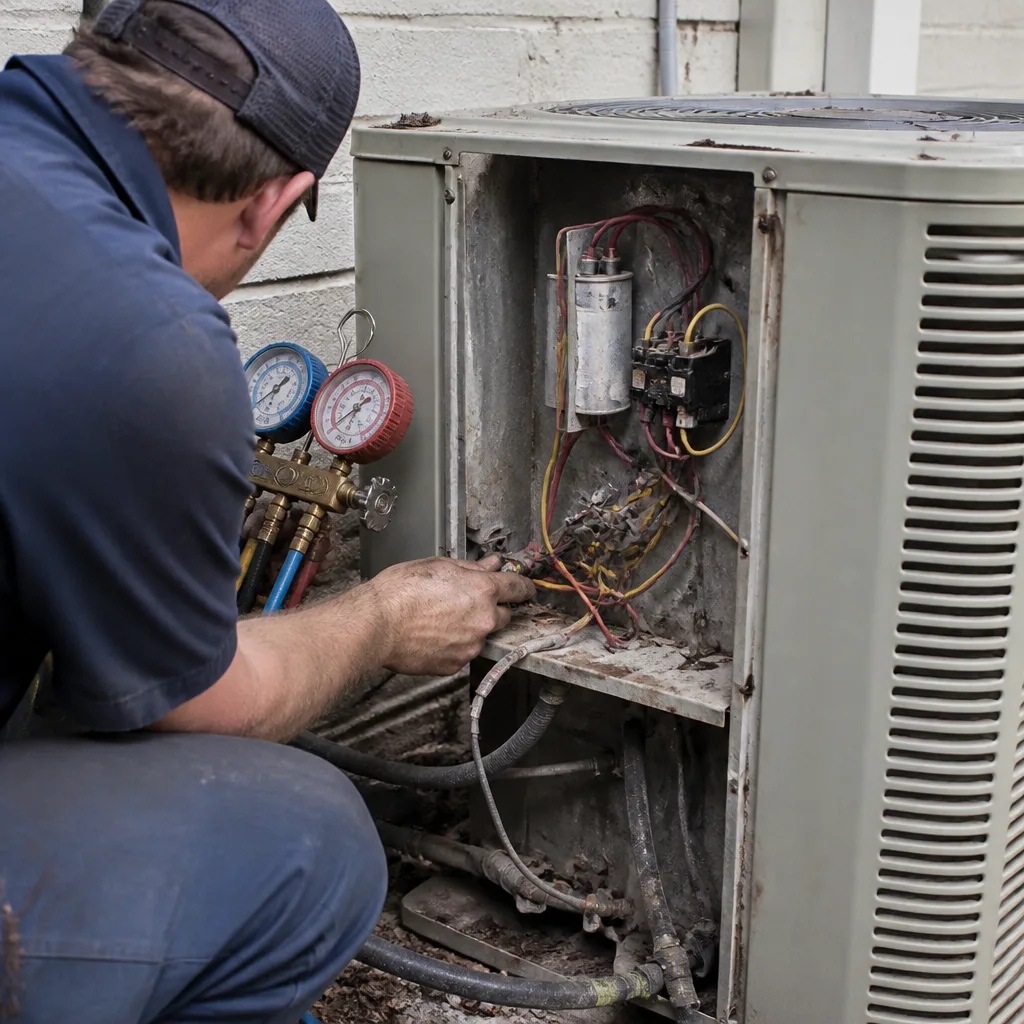 Before
 After
After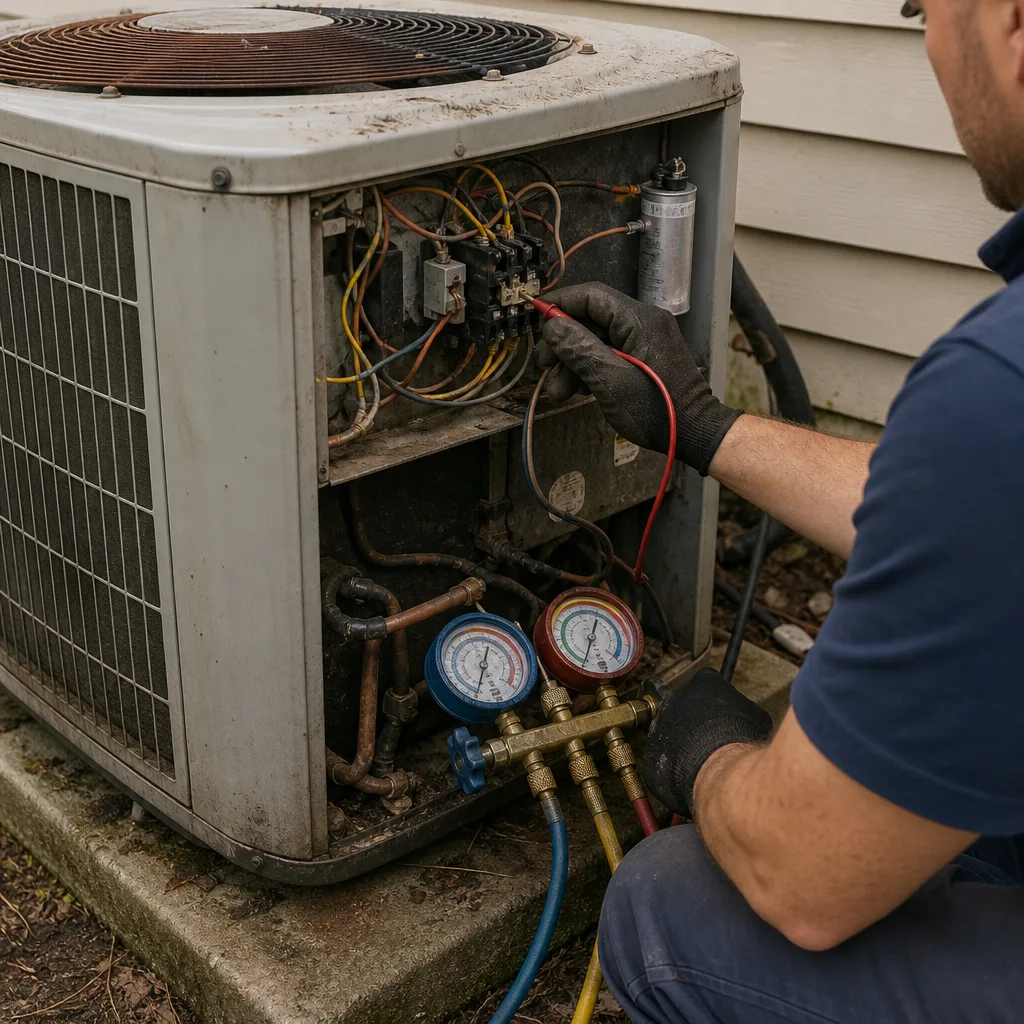 Before
 After
After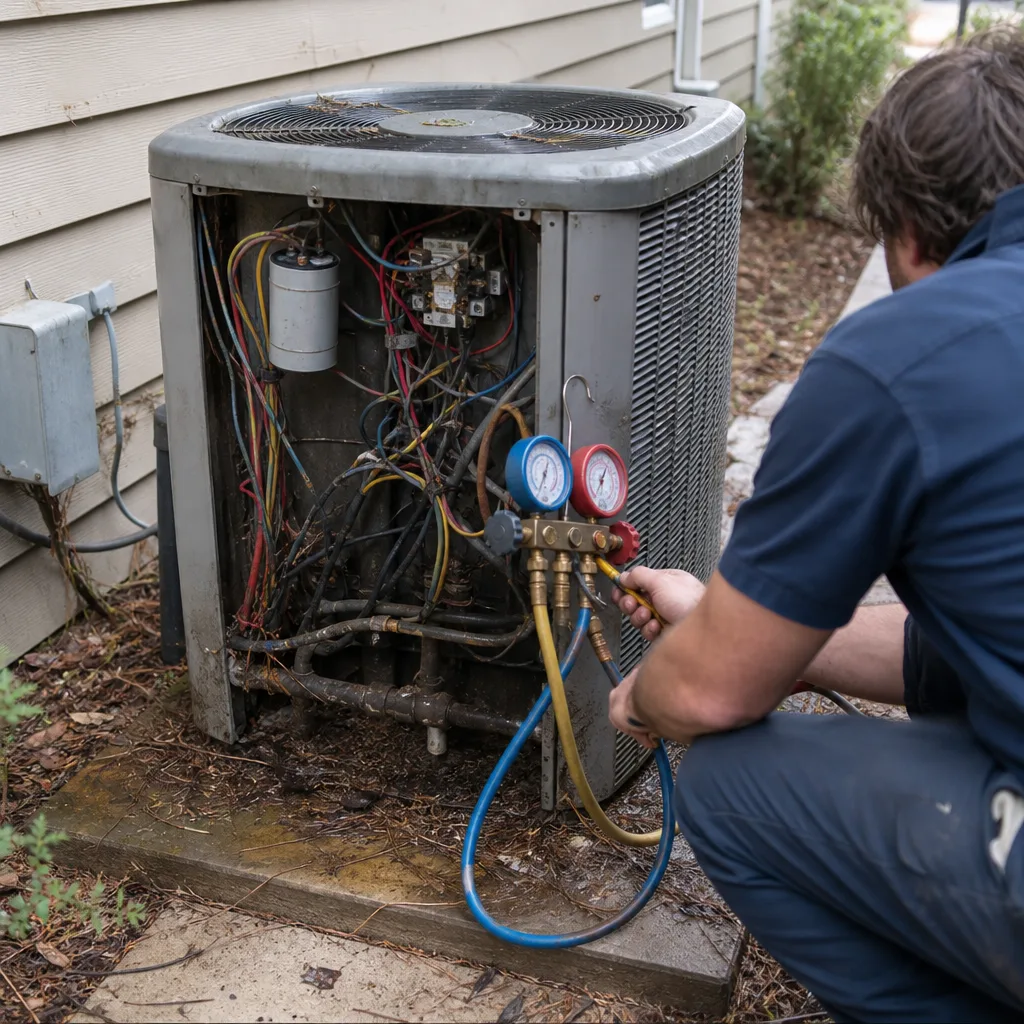 Before
 After
After